
Texas Weather and Your RV: A Year-Round Guide for Montgomery County
October 6, 2025 · By Magnolia RV Park
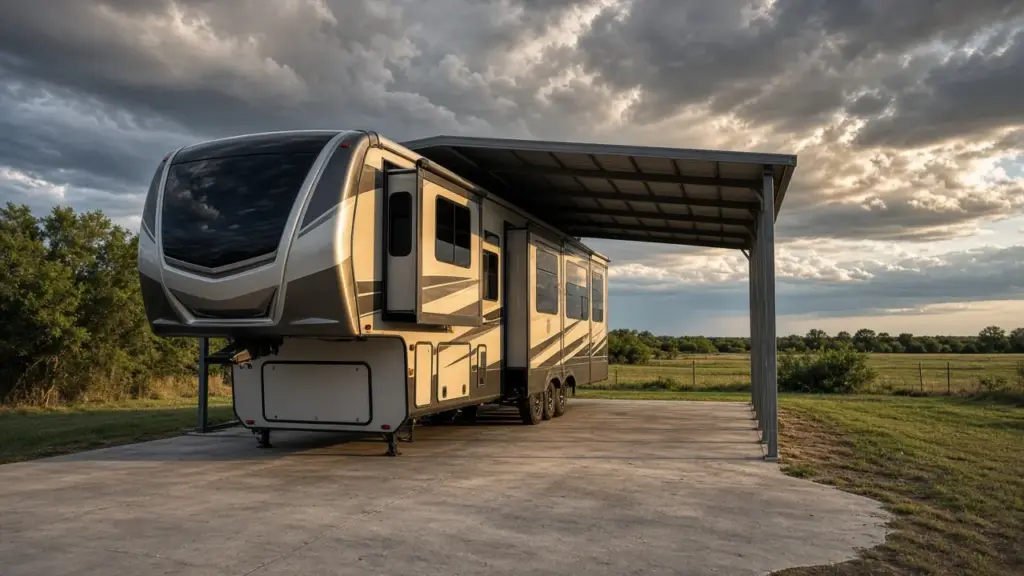
If you live in an RV in Southeast Texas, the weather is not background noise. It shapes how hard your air conditioner works, how often you check your seals, what you keep in your emergency kit, and whether you sleep through a storm or lie awake listening to it. Montgomery County sits in a humid subtropical climate with long hot summers, stormy springs, a hurricane season, and mostly mild winters punctuated by the occasional hard freeze.
This guide walks through the year from the perspective of someone living in an RV full-time. It is based on the routines we see work at our long-term park in Magnolia, and it points to deeper guides where they help.
Why Weather Matters More in an RV
An RV is a well-built home, but it has thinner walls, less insulation, and more exposed seams than a typical house. That means:
- Heat and cold move through faster
- Wind and hail affect it more directly
- Humidity builds up quickly in a small space
- Plumbing lines can be exposed to freezing air
- Roof seals and slide seals take a beating from sun and rain
None of this makes RV living a bad idea in Texas. It just means a little planning goes a long way.
Summer: Heat Is the Main Event
Summer in Southeast Texas is long, hot, and humid. For RV residents, that means managing heat load every day.
Reduce heat before your AC has to fight it
Your air conditioner works best when it is not fighting direct sun all day. Shade is the single biggest help. A covered site keeps the sun off your roof, which reduces heat soak and helps protect roof materials. At our park, eight of ten sites are covered for exactly this reason. Our post on covered vs. uncovered RV sites in Texas goes into the details.
Other practical steps:
- Close blinds and use reflective or insulated window coverings on sun-facing windows (many parks prohibit foil on windows, so choose purpose-made shades)
- Keep AC filters clean and coils clear
- Run vent fans in the evening to push out stored heat
- Cook outside or use small appliances to avoid heating the RV
- Park-legal awnings and shade can help, but retract them before storms
For a full summer checklist, see our post on how to prepare your RV for Texas summer.
Protect people and pets
Heat is a safety issue, not just a comfort issue. Never leave pets in an RV without a reliable cooling plan, and consider a temperature monitor that alerts your phone. Our guide to long-term RV living with pets covers heat safety for animals in more detail.
Watch your tires and seals
Sun and heat age rubber quickly. Use tire covers on long stays, inspect sidewalls regularly, and check roof and window seals for cracking.
Fall: The Best Season for RV Projects
Fall in Southeast Texas is often the most comfortable time of year, and it is the ideal window for maintenance. Temperatures are moderate, humidity usually drops, and the worst of hurricane season is typically behind you by late fall.
Use fall to:
- Inspect and reseal the roof
- Service your furnace before the first cold night
- Check detectors and replace batteries
- Clean and inspect awnings
- Test your propane system
Our full-time RV maintenance schedule lays out what to do and when.
Winter: Mostly Mild, Occasionally Serious
Most winter days here are mild, but hard freezes do happen, and they can catch RV residents off guard. The danger is not the average day. It is the one or two nights when temperatures drop well below freezing.
Protect your plumbing
Exposed hoses and lines are the most vulnerable. When a freeze is forecast:
- Use a heated drinking-water hose or disconnect and drain your hose
- Keep fresh water in your tank so you can use the onboard pump
- Open cabinet doors to let warm air reach interior plumbing
- Insulate exposed valves and connections
- Keep holding tanks from sitting full and exposed
Heat safely
Follow your park’s rules on heating. Many long-term parks, including ours, do not allow space heaters or window units. Use your RV’s built-in furnace and heat pump as designed, make sure your propane supply is adequate before a cold snap, and never use a stove or oven for heat. Test your carbon monoxide and propane detectors every season.
Manage condensation
Cold outside air and warm, moist inside air create condensation on windows and walls. Run vent fans when cooking and showering, crack a window slightly, and consider a dehumidifier.
Spring: Storms and Pollen
Spring brings some of the most active weather of the year.
Severe thunderstorms
Strong winds, heavy rain, lightning, and hail are all possible. Before storm season:
- Know how to receive weather alerts on your phone
- Retract awnings when storms are forecast or when you leave
- Secure or bring in outdoor furniture
- Know where you will go if a warning is issued for your area
An RV is not a safe place to shelter during a tornado warning. Identify a sturdier building you can reach quickly and make that plan before you need it.
Pollen season
Montgomery County is pine country, and spring pollen can coat everything in yellow dust. Keep AC filters clean, close windows on heavy pollen days, and wipe down surfaces often if you have allergies.
Hurricane Season: June Through November
The Atlantic hurricane season officially runs from June 1 through November 30. Southeast Texas can see tropical storms and hurricanes during that window, along with very heavy rain and flooding.
Before the season starts
- Review your RV insurance to confirm what it covers for wind, flood, and falling trees. Long-term parks often require liability and property coverage, and ours does.
- Build an emergency kit with water, food, medications, flashlights, batteries, chargers, and copies of important documents.
- Decide in advance whether you will evacuate with your RV or leave it and go elsewhere.
When a storm approaches
Follow official guidance for your area. Secure everything outside, retract slides and awnings if you are leaving, fill your fuel and propane, and communicate your plans with park management.
After the storm
Inspect the roof, seals, and underside for damage. Check for water intrusion, especially around windows and slides. Document anything for insurance before making repairs.
Humidity: The Year-Round Challenge
Humidity is the quiet constant in Southeast Texas. In a small space, it can lead to mold, musty smells, and damage to wood and fabric.
- Run bathroom and kitchen vent fans every time
- Keep AC running efficiently, since it also removes moisture
- Use a dehumidifier during especially damp periods
- Leave some air space behind cushions and in closets
- Fix leaks immediately
Our guide to RV hookups for long stays also covers managing electrical load when you run AC and a dehumidifier together.
Pests That Follow the Seasons
Warm, humid weather brings bugs. Fire ants, mosquitoes, and other pests are common here. Keep your site tidy, avoid leaving food or trash outside, seal entry points around hoses and cables, and treat ant mounds promptly and safely.
A Simple Weather Calendar
- Spring: Storm prep, pollen control, check awnings and seals
- Summer: Heat management, tire protection, hurricane kit ready
- Fall: Maintenance projects, furnace and detector checks
- Winter: Freeze prep, condensation control, propane supply
More Texas Weather & Seasons Guides
- Reducing RV Air Conditioner Strain in Texas Heat
- Getting Your RV Site Ready Before Hurricane Season
- Making an RV Hurricane Plan: Contacts, Documents, and Decision Points
- Severe Thunderstorms and RVs: Wind, Hail, and Lightning
- Tornado Safety for RV Residents in Southeast Texas
- Flash Flooding Around Houston: What RV Residents Should Know
- Winter Freezes in Southeast Texas: Protecting RV Plumbing
- Heated Hoses and Skirting: RV Freeze Prep Options
- What to Do During a Power Outage in an RV
- Humidity and Mold Prevention in a Gulf Coast RV
- Pine Pollen Season: Keeping RV Air Clean
- Fall in Southeast Texas: The Best Season for RV Projects
- Spring Storm Season Checklist for RV Residents
- Sun Damage to RV Roofs, Seals, and Tires
- Window Coverings and Insulation for RV Heat Control
- Heat Safety for People Living in RVs
- Fire Ant Season: Protecting Your RV Site
- Mosquitoes and Bugs Around an RV in Southeast Texas
- Setting Up Weather Alerts on Your Phone for RV Living
- Checking Your RV Insurance Before Storm Season
- Falling Limbs and Trees: RV Safety in Pine Country
- Cold Snaps and RV Propane Use: What Long-Term Residents Should Know
- Keeping Slide-Out Seals Healthy Through Heat and Rain
- An Emergency Kit for RV Residents
- Evacuating With Your RV vs. Leaving It Behind
- After the Storm: Inspecting Your RV for Damage
- Choosing and Using a Dehumidifier in an RV
- Rainy Weeks in an RV: Staying Dry and Sane
- Hot Car, Hot Rig: Protecting Electronics and Medications From Heat
Frequently Asked Questions
Is it safe to live in an RV during a Texas summer?
Yes, with planning. Shade, clean AC filters, good window coverings, and attention to heat safety for people and pets make a big difference.
What should I do with my RV during a hard freeze?
Protect exposed hoses and lines, use your fresh tank and pump, open cabinets to warm interior plumbing, and heat with your RV’s built-in systems according to park rules.
Should I stay in my RV during a tornado warning?
No. An RV is not a safe shelter during a tornado warning. Plan ahead for a sturdier building you can reach quickly.
When is hurricane season in Texas?
The Atlantic hurricane season runs from June 1 through November 30. Have your insurance, emergency kit, and evacuation plan ready before it starts.
How do covered RV sites help with weather?
Overhead cover reduces direct sun on your roof and offers some protection from rain. It reduces heat load but does not make an RV storm-proof.
Live Through Every Season in Comfort
Magnolia’s Finest has eight covered sites, cement pads on all ten, a gated entrance, and an air-conditioned laundry room. If you want a quiet long-term home base in Montgomery County, see our amenities and tell us your dates and your RV.
Check Availability or call or text (281) 205-1959
Magnolia’s Finest RV Park · 32020 Old Hempstead Rd, Magnolia, TX 77355 · Contact us