What to Do During a Power Outage in an RV
January 22, 2026 · By Magnolia RV Park
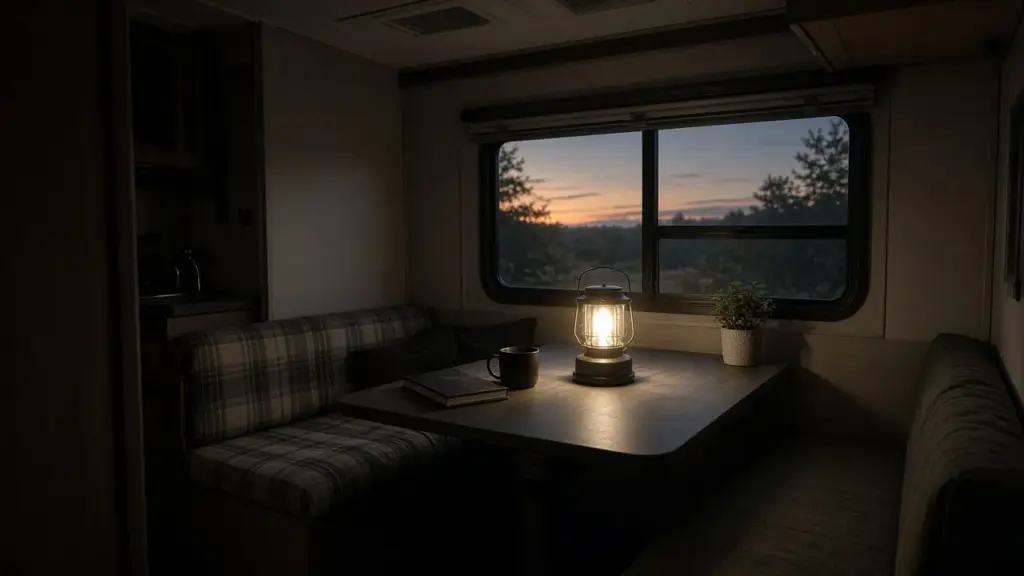
Power outages happen in Southeast Texas. Summer storms, tropical systems, winter freezes, and equipment failures can all knock out electricity. For RV residents, an outage affects cooling, heating, refrigeration, water pumps, and charging devices. Planning ahead turns an outage from a crisis into an inconvenience.
This guide explains what to do before, during, and after a power outage in your RV. For the bigger picture on weather in the area, see our guide on Texas weather and your RV.
Before an Outage: Know Your RV’s Systems
Understand what still works when shore power goes out:
- 12-volt systems such as lights, water pump, and fans may run on your house batteries
- Propane appliances such as the furnace, stove, and water heater may still work, though furnace fans need battery power
- 120-volt systems such as air conditioning, microwave, and outlets typically stop without shore power or a generator or inverter
Check your batteries’ condition and charge regularly. Healthy batteries make a huge difference during an outage.
Build an Outage Kit
Keep a small kit ready at all times:
- Flashlights and headlamps with extra batteries
- Battery-powered or rechargeable fans
- Portable power banks for phones
- A battery-powered weather radio
- Bottled water
- Non-perishable food that needs no cooking
- A first aid kit and needed medications
- A cooler and ice packs
Store the kit where you can find it in the dark.
Keep Your Water Supply in Mind
If the park’s water supply is affected, you may need your fresh water tank. Keep some water in your tank or have bottled water on hand during storm seasons. Your water pump typically runs on 12-volt power, so it depends on your batteries.
During an Outage: First Steps
When the power goes out:
- Check if it is just your RV. Look at neighbors’ lights and check your breakers and pedestal breaker.
- Turn off major appliances so they do not surge when power returns.
- Unplug sensitive electronics or rely on your surge protector.
- Contact management if the outage seems limited to your site or the park.
Our post on using a surge protector at a long-term RV site explains why protection matters when power comes back.
Keeping Food Safe
Keep refrigerator and freezer doors closed as much as possible. A closed refrigerator keeps food cold for several hours, and a full freezer holds temperature longer. If your refrigerator can switch to propane, you may be able to keep it running. Use a cooler with ice for items you need to access often.
When in doubt about food safety after a long outage, throw it out.
Staying Cool in Summer Outages
Summer outages are the hardest in Southeast Texas. Without air conditioning, RVs heat up fast. To stay safer:
- Close shades on the sunny side and open windows on the shady side for cross-breeze
- Use battery-powered fans
- Drink plenty of water
- Wear light clothing
- Spend the hottest hours somewhere with air conditioning if possible
Watch for signs of heat illness in people and pets. Our post on barking and quiet hours training tips for RV dogs touches on keeping dogs calm, which matters during stressful outages too.
Staying Warm in Winter Outages
During freezes, your propane furnace may still run if your batteries can power the fan. Conserve battery power by limiting other 12-volt use. Layer clothing and blankets. Protect plumbing using the steps in our post on winter freezes in Southeast Texas, and see heated hoses and skirting for freeze prep ideas.
At Magnolia’s Finest, space heaters are not allowed, so plan to rely on your RV’s built-in heat.
Generators and Park Rules
Some RVs have built-in generators. Before running one, check your park’s rules, and never run a generator inside or near an enclosed space. Watch for carbon monoxide, and keep CO detectors working. Be considerate of neighbors and quiet hours, which at our park run from 8 pm to 8 am.
Carbon Monoxide Safety
Outages lead to more CO incidents because people improvise with heat and power. Never use outdoor grills or propane heaters inside your RV. Keep your CO and LP gas detectors tested and powered.
Charging Devices
Conserve phone battery by lowering screen brightness and closing apps. Use power banks and vehicle chargers. Keep at least one phone charged for emergencies and park communication.
Checking on Neighbors
In a small park, neighbors look out for each other. Check on residents who may be vulnerable, such as older neighbors or those with medical needs. Share information about restoration updates.
When Power Returns
When power comes back:
- Wait a few minutes before turning on major appliances to let voltage stabilize
- Turn appliances on one at a time
- Check your surge protector for any error readings
- Inspect food and discard anything unsafe
- Recharge batteries and power banks
After Major Storms
After a major storm, check your RV for damage, including roof, awnings, and slide-outs. Report hazards such as downed lines or damaged hookups to management immediately and do not touch them. Our post on tornado safety for RV residents covers severe weather safety.
Planning for Hurricane Season
Hurricane season runs from June 1 through November 30. Longer outages are possible after tropical storms. Keep your outage kit stocked throughout the season, and have an evacuation plan if officials recommend leaving.
Protecting Medications and Medical Devices
If anyone in your RV depends on medication that must stay cool or on a powered medical device, build a specific plan. Keep a small insulated bag and ice packs for temperature-sensitive medication. For devices, ask your provider about battery backup options and how long they last. Know where you would go if an outage stretched on, such as a family member’s home or a community cooling or warming center announced by local officials. Write the plan down and keep it with your outage kit.
Practice Before You Need It
Run a short practice outage on a mild day. Flip off your main breaker for an hour and see what still works, how long your batteries last, and what you wish you had. This low-stress test reveals gaps in your kit and helps everyone in the RV know the plan.
Know Who to Call
Save important contacts in your phone and on paper:
- Park management: (281) 205-1959, text preferred
- Your electric provider’s outage line, if applicable
- Emergency services
Frequently Asked Questions
What still works in my RV during a power outage?
Many 12-volt systems work on house batteries, and propane appliances may work, though some need battery power for fans or controls.
Can I use a space heater during a winter outage at Magnolia’s Finest?
No. Space heaters are not allowed. Rely on your RV’s built-in furnace and conserve battery power.
How long will food stay safe during an outage?
A closed refrigerator keeps food cold for several hours, and a full freezer longer. When in doubt, throw it out.
What should I do when the power comes back on?
Wait a few minutes, turn appliances on one at a time, and check your surge protector.
Prepared Living in Magnolia
Magnolia’s Finest RV Park is a small, gated long-term park where residents look out for each other. Review our amenities, read the FAQ, or check availability.
Check Availability or call or text (281) 205-1959
Magnolia’s Finest RV Park · 32020 Old Hempstead Rd, Magnolia, TX 77355 · Contact us