
Heated Hoses and Skirting: RV Freeze Prep Options
January 11, 2026 · By Magnolia RV Park
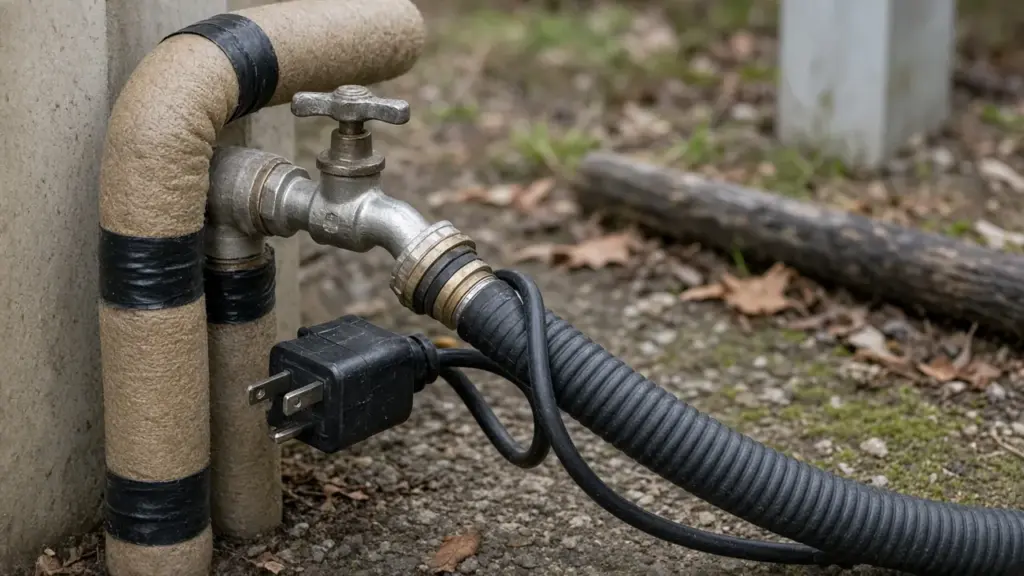
Freezes are occasional in Southeast Texas, but when they come, they can damage RV plumbing quickly. RVers who stay through winter often ask about freeze prep products like heated hoses, heat tape, and skirting. Each option has pros and cons, and not every option is allowed at every park.
This guide compares common RV freeze prep options and explains how park rules can affect your choices. It is general information. Follow manufacturer instructions and consult a qualified technician for installation questions. For weather across the year, see our pillar on Texas weather and your RV.
Start With the Basics
Before buying products, remember the simplest freeze strategies:
- Disconnect and drain your fresh water hose before a hard freeze
- Use your fresh water tank and pump temporarily
- Keep the interior warm with your RV’s built-in heating
- Open cabinet doors under sinks so warm air reaches pipes
- Disconnect and drain the sewer hose
Our post on winter freezes in Southeast Texas covers these steps in detail. Products can add protection, especially if you want to stay connected during cold weather.
Heated Water Hoses
Heated RV water hoses have built-in heating elements, usually controlled by a thermostat that turns on when temperatures drop near freezing.
Pros:
- Let you stay connected to park water during freezes
- Designed for drinking water use
- Simple to use once installed
Cons:
- Higher cost than standard hoses
- Require an electrical outlet
- Add electrical load
- The spigot and regulator may still need protection
Follow manufacturer instructions carefully, and inspect the hose and plug for damage regularly. Never run cords from another site to power a heated hose; our post on why running cords between sites is a bad idea explains why.
Heat Tape and Pipe Insulation
Heat tape is an electric heating element wrapped around pipes and hoses, often covered with foam insulation. It can protect a standard hose or exposed plumbing.
Pros:
- Flexible for different setups
- Can protect specific exposed areas
Cons:
- Must be installed correctly to avoid fire hazards
- Requires power and adds electrical load
- Can be damaged by weather and sun over time
Use only products designed for your application, follow instructions exactly, and inspect regularly.
Protecting the Spigot and Regulator
The spigot and pressure regulator are often the weak points. Options include foam covers, insulated wraps, and heated covers, depending on park rules. Our post on water pressure regulators for RV hookups notes that regulators can crack when frozen, so disconnect and drain them if you are not using heat protection.
Always ask management before adding anything to park-owned spigots.
Tank Heaters
Some RVs come with holding tank heaters, which are electric pads attached to tanks. If your RV has them, learn how to turn them on and test them before winter. Aftermarket tank heaters exist but should be installed according to manufacturer instructions, often by a technician.
Heated Underbellies
Many RVs have enclosed underbellies warmed by furnace ducts. Running the furnace helps keep underbelly plumbing warmer. If your RV has this feature, make sure the furnace is working before winter. Electric heaters are not a substitute; at our park, space heaters are not permitted.
RV Skirting
Skirting is material placed around the base of an RV to block wind and hold warmer air underneath. It is common in colder climates.
Pros:
- Reduces wind chill under the RV
- Can help protect underbelly plumbing and tanks
Cons:
- Cost and installation effort
- Can trap moisture and invite pests
- May conflict with park rules
Many long-term parks restrict skirting. At our park, items are not allowed on or under the site, and tarps and covers are not permitted on RVs. Ask management before considering any skirting or under-RV materials. In Southeast Texas, where freezes are typically short, many residents rely on hose management, interior heat, and tank heaters instead.
Electrical Load Considerations
Heated hoses, heat tape, and tank heaters all add electrical load. During cold weather, your RV’s furnace blower and other systems also run more often. Manage loads to avoid tripped breakers, especially during extended cold snaps. If breakers trip at night during a freeze, heat protection stops working, so keep loads balanced.
Power Outages During Freezes
Electric freeze protection only works when power is on. Freezes can strain the grid and sometimes cause outages. Have a backup plan:
- Know how to disconnect and drain hoses quickly
- Keep your fresh water tank filled
- Keep propane filled for your furnace if applicable
- Keep blankets and warm clothing ready
After the Freeze
When temperatures rise, inspect heated hoses, heat tape, and connections for damage. Turn water on slowly and look for leaks inside and under the RV. Report problems with park spigots to management through the Residents page maintenance request form.
Weather Awareness Year-Round
Southeast Texas weather ranges from freezes to floods to severe storms. Our posts on flash flooding around Houston and severe thunderstorms and RVs cover other weather preparation that complements winter readiness.
Choosing the Right Mix
For most residents in Southeast Texas, a practical approach is:
- A drinking-water-safe hose you can disconnect quickly, or a heated hose if you prefer to stay connected
- A regulator you can drain
- A working furnace for interior and underbelly heat
- Tank heaters if your RV has them
- A plan for disconnecting when a hard freeze is forecast
Storing Winter Gear the Rest of the Year
Freeze gear is only needed a few times a year in Southeast Texas, but it needs to be ready when a cold front arrives. Store heated hoses, heat tape, and insulation in a dry bin inside the RV or a storage bay, not outside. Before winter, unpack everything, inspect cords and plugs, and test heated products to make sure they work. Replace anything damaged. Keeping winter gear organized and tested means you can protect your RV quickly when a freeze warning appears.
Budgeting for Freeze Protection
Freeze protection products vary in cost. Before buying, think about how often you will actually use them. In Southeast Texas, hard freezes may happen only a few nights a year, and some winters pass with very few. For many residents, a spare standard drinking water hose, foam faucet covers, and a good plan for disconnecting are enough. Others prefer the convenience of a heated hose so they never have to disconnect. Weigh the cost of the product against the cost and hassle of potential damage, and remember that no product works during a power outage.
Frequently Asked Questions
Are heated hoses worth it in Southeast Texas?
They can be useful if you want to stay connected during freezes. Many residents instead disconnect and use their fresh tank during short cold snaps.
Can I install skirting at Magnolia’s Finest?
Items are not allowed on or under the site, and tarps and covers are not permitted on RVs. Ask management before considering any skirting.
Is heat tape safe?
When designed for the application, installed correctly, and inspected regularly. Follow manufacturer instructions exactly.
What if the power goes out during a freeze?
Electric protection stops working. Disconnect and drain hoses, use your fresh tank, and keep the interior warm with your RV’s built-in heating.
Year-Round Comfort
Magnolia’s Finest is a small, gated long-term park in Magnolia, TX, with covered sites and cement pads. Our FAQ page and amenities share more about living here.
Check Availability or call or text (281) 205-1959
Magnolia’s Finest RV Park · 32020 Old Hempstead Rd, Magnolia, TX 77355 · Contact us