
Tornado Safety for RV Residents in Southeast Texas
December 9, 2025 · By Magnolia RV Park
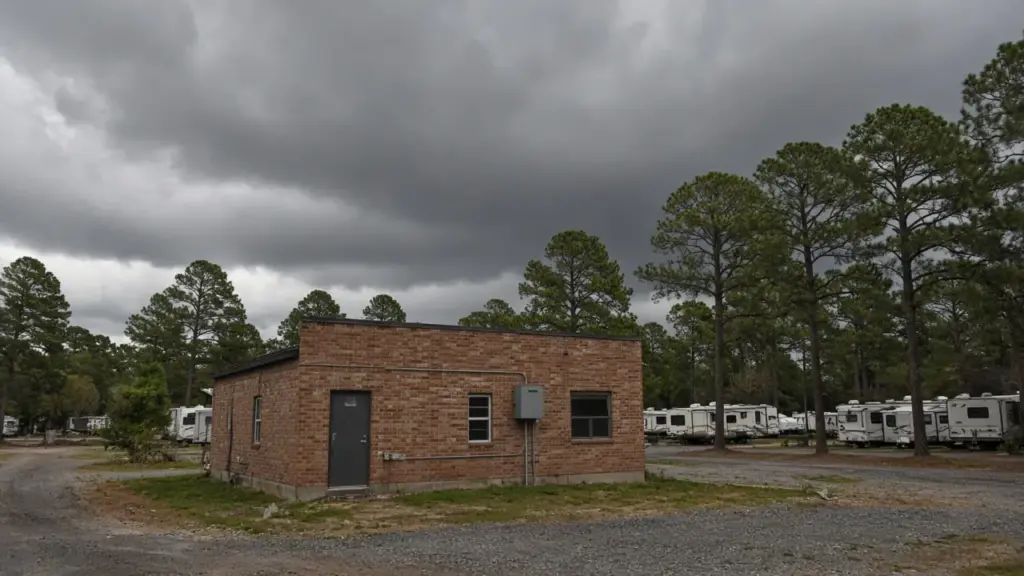
Southeast Texas is not in the heart of Tornado Alley, but tornadoes do occur here. They can form during spring and fall severe weather, and tropical storms and hurricanes can also spawn tornadoes as they move inland. For RV residents, tornado preparation deserves special attention, because an RV offers very little protection from a tornado.
This guide explains how RV residents can prepare for tornadoes, from understanding alerts to choosing a shelter and building a go-bag. It is general information. Always follow guidance from the National Weather Service and local emergency officials. For weather across the year, see our pillar on Texas weather and your RV.
Why RVs Are Vulnerable
RVs are designed for travel, not to withstand extreme winds. Compared with site-built homes, they are lighter and less anchored. Tornado winds can overturn RVs and turn debris into dangerous projectiles. Official safety guidance generally advises people in mobile homes and RVs to leave them and seek sturdier shelter when a tornado threatens.
Understanding Tornado Alerts
Knowing the difference between alerts is essential:
- Tornado Watch: Conditions are favorable for tornadoes in and near the watch area. Review your plan, charge your phone, and be ready to move.
- Tornado Warning: A tornado has been sighted or indicated by radar. Take shelter immediately.
Tornadoes can form quickly, and warnings may come with only minutes of lead time. That is why planning ahead matters.
Getting Alerts Reliably
Do not rely on one alert source. Use several:
- Wireless Emergency Alerts on your phone, enabled in your settings
- A weather app with location-based warnings
- A NOAA weather radio with battery backup, which can wake you at night
- Local media during active weather
Tornadoes can happen at night, when you are asleep. A weather radio or loud phone alerts help make sure you wake up.
Choosing a Shelter Before Storm Season
The most important step is deciding in advance where you will go. Options might include:
- A sturdy building near the park that is accessible during storms
- A friend’s or family member’s home nearby
- A public building or designated shelter in the community
Ask park management whether there is a recommended shelter option for residents. Know how long it takes to get there, and understand that during a warning you may not have time to drive far. If a watch is issued and you have a long way to go, consider moving to your shelter location before a warning is issued.
If You Cannot Reach a Shelter
Sometimes there is not enough time to reach a sturdy building. Follow current official guidance for your situation. General guidance for people caught outside includes avoiding vehicles and RVs and seeking the lowest possible spot while protecting your head and neck. Review National Weather Service safety guidance before storm season so you know what to do.
Build a Tornado Go-Bag
Keep a go-bag by the door during storm season:
- Flashlight and extra batteries
- Phone charger and power bank
- Weather radio
- Water and snacks
- First aid kit
- Medications
- Copies of important documents
- Sturdy shoes
- Helmet or protective head covering
- Pet leashes, carriers, and supplies
Our post on making an RV hurricane plan explains how to build a document kit that also works for tornado season.
Plan for Pets
Pets need to come with you to shelter. Keep leashes and carriers accessible, and practice getting pets into carriers quickly. Know whether your shelter location accepts pets. Never leave pets behind in an RV during a tornado warning.
Preparing Your RV
While your RV cannot be made tornado-proof, you can reduce damage from high winds in general:
- Retract awnings when you leave the RV and whenever storms are forecast
- Close and latch storage bays
- Keep outdoor items to a minimum; at our park, items are not allowed on or under the site
- Keep insurance current, and review coverage for wind damage
Our post on severe thunderstorms and RVs covers preparation for wind, hail, and lightning, which often accompany tornado-producing storms.
Tornadoes and Tropical Storms
Tornadoes can form in the outer bands of tropical storms and hurricanes, sometimes far from the storm’s center. During hurricane season, from June 1 through November 30, keep alerts enabled even if the storm’s center is forecast to pass elsewhere. Our post on getting your RV site ready before hurricane season covers seasonal preparation.
After a Tornado
When it is safe to go outside:
- Watch for hazards such as downed power lines, broken glass, and debris.
- Check on neighbors if safe to do so.
- Inspect your RV for damage before going inside.
- Photograph damage for insurance.
- Do not reconnect utilities if there is damage to hookups; report problems to management.
At our park, residents may not tamper with electrical hookups or run cords from other sites. Our post on why running cords between sites is a bad idea explains why, which matters especially after storms when damaged equipment may be hazardous.
Practice Your Plan
A plan only works if you can carry it out quickly. Practice:
- How to get alerts, including at night
- How to get pets ready to go
- How to reach your shelter
- Where your go-bag is
Review your plan each spring and fall, since those are common severe weather seasons.
Talking About Tornado Plans With Neighbors
In a small park, neighbors can help each other during severe weather. Share your plans with the residents next to you and exchange phone numbers. If someone does not have a vehicle or has mobility challenges, offering a ride to shelter can make a real difference. After a storm, checking on neighbors and sharing information about damage or road conditions strengthens the community. Always leave repairs to park property to management, and report hazards promptly.
Nighttime Tornado Readiness
Tornadoes that strike at night are especially dangerous because people are asleep and cannot see the storm approaching. On nights when severe weather is forecast, take a few extra steps before bed:
- Keep your phone charged, with volume up and emergency alerts enabled
- Turn on your weather radio and test that it will sound an alarm
- Set shoes, a flashlight, and your go-bag beside the door
- Keep car keys where you can grab them instantly
- Put pet leashes and carriers within reach
- Know exactly which route you would take to shelter in the dark
If a watch is in effect for your area and your shelter is not close by, consider going to your shelter location before bedtime rather than waiting for a warning in the middle of the night. It may feel inconvenient, but it removes the most dangerous part of the plan: trying to wake up, gather pets, and drive during a warning.
Frequently Asked Questions
Are tornadoes common in Southeast Texas?
They are less frequent than in parts of Tornado Alley, but they do occur, including during spring and fall severe weather and in tropical storms.
Should I stay in my RV during a tornado warning?
Official guidance generally advises leaving RVs and mobile homes for sturdier shelter. Plan your shelter location ahead of time.
What is the difference between a tornado watch and warning?
A watch means conditions are favorable for tornadoes. A warning means a tornado has been sighted or indicated by radar, and you should take shelter immediately.
What should be in a tornado go-bag?
Flashlight, batteries, phone charger, weather radio, water, first aid, medications, documents, sturdy shoes, head protection, and pet supplies.
Plan Ahead From a Stable Home Base
Magnolia’s Finest is a small, gated long-term park in Montgomery County. Ask us about planning ahead for severe weather, and see our FAQ page and amenities for more about the park.
Check Availability or call or text (281) 205-1959
Magnolia’s Finest RV Park · 32020 Old Hempstead Rd, Magnolia, TX 77355 · Contact us