Cold Snaps and RV Propane Use: What Long-Term Residents Should Know
July 4, 2026 · By Magnolia RV Park
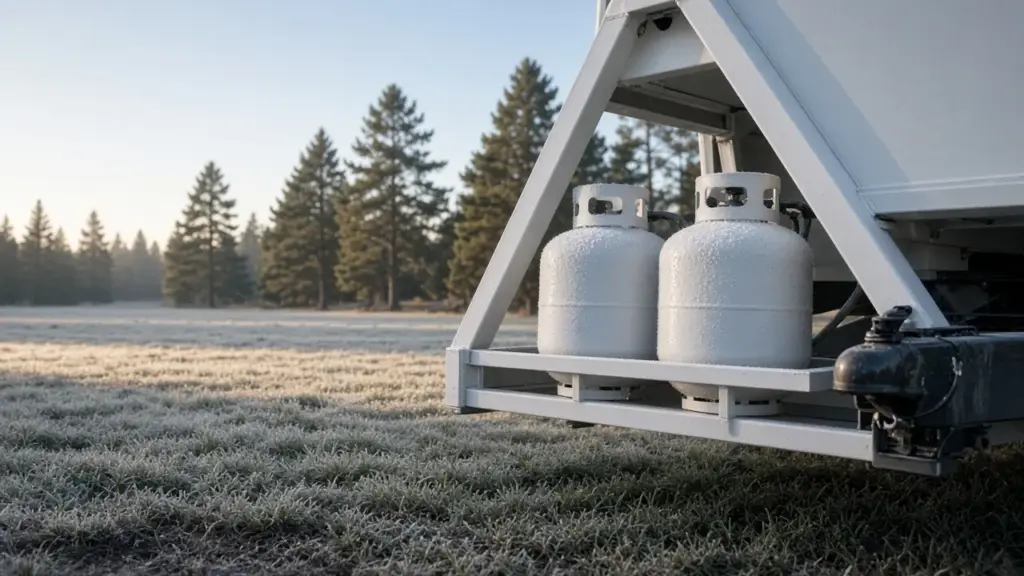
Southeast Texas is known for heat and humidity, but winter cold snaps do happen. When temperatures drop suddenly, RV residents need to be ready. Cold weather affects your heating, your propane supply, and your plumbing, and a quick freeze can cause real damage if you are unprepared.
This guide covers practical steps for handling cold snaps and managing propane use safely in an RV. For a full look at weather through the year, see our pillar, Texas Weather and RV Living: A Year-Round Guide.
Why Cold Snaps Matter for RVs
RVs are less insulated than houses. Walls are thinner, windows are single or dual pane, and plumbing often runs through exposed areas. When temperatures drop below freezing, several problems can occur:
- Water lines and hoses can freeze and crack
- Holding tanks and valves can freeze
- Furnaces run constantly and use more propane
- Condensation increases inside the RV
- Batteries lose capacity in the cold
Cold snaps in this region are often short, lasting a day or a few days, but they can come with little warning. Being prepared ahead of time makes all the difference.
Understanding Your RV Furnace
Most RVs use a propane furnace for heat. The furnace uses a 12-volt fan to blow warm air through ducts. It burns propane and vents exhaust outside. Furnaces are effective but can use propane quickly in very cold weather.
Before winter, make sure your furnace works properly. Run it for a while on a cool day to confirm it lights and blows warm air. If it has not been used in months, dust or insect nests may block parts of the system. Have a qualified RV technician inspect it if you notice odd smells, noises, or trouble lighting.
Propane Safety
Propane is safe when handled correctly, but it requires care.
- Make sure your propane detector works. Test it regularly and replace it if it is past its expiration date.
- Make sure your carbon monoxide detector works. Test it monthly.
- Never use your stove or oven to heat the RV. This can produce dangerous carbon monoxide and uses propane inefficiently.
- Know the smell of propane, often described as rotten eggs. If you smell it, shut off the propane at the tank, avoid using switches or flames, get out, and call for help.
- Keep furnace vents outside clear of obstructions.
- Inspect propane lines and connections for damage.
Managing Propane Supply
During a cold snap, your furnace may use much more propane than usual. Running out in the middle of a freeze is uncomfortable and can lead to frozen pipes.
Tips:
- Check your propane level before cold weather arrives
- Refill or exchange tanks when they reach about half full during winter
- Keep track of how quickly you use propane in cold weather
- Know where you can refill tanks locally
Ask management about propane arrangements at your site. We do not want to assume anything about propane delivery or refill options, so confirm with us directly.
Space Heaters Are Not Allowed
Space heaters are prohibited at our park. This rule is about safety for everyone, since space heaters can be a fire risk and can overload electrical systems. Rely on your RV’s built-in furnace and other safe measures to stay warm.
Staying Warm Without Space Heaters
There are many safe ways to keep your RV comfortable during a cold snap:
- Use thermal curtains on windows
- Add rugs to cold floors
- Seal drafts around doors and windows with weatherstripping
- Close blinds at night to hold in heat
- Use warm bedding, such as flannel sheets and heavy blankets
- Dress in layers indoors
- Keep the furnace set at a steady temperature rather than turning it on and off
Remember that foil on windows is not allowed at our park, so use proper thermal curtains or window treatments instead.
Protecting Your Plumbing
Frozen plumbing is one of the most costly cold-weather problems. Take these steps before a freeze:
- Use a heated water hose, or disconnect and drain your hose during the freeze and use your fresh tank
- Open cabinet doors under sinks so warm air reaches the pipes
- Keep the furnace running so the interior and basement areas stay above freezing
- Keep holding tank valves closed and do not let tanks sit completely empty
- Know where your water shutoff valve is
After the freeze, check for leaks. Cracked lines may not leak until they thaw. Our post on finding RV plumbing leaks early explains what to look for.
Controlling Condensation
Cold weather and warm interiors lead to condensation on windows and walls. Too much moisture can cause mold and damage. Crack a window or roof vent slightly, run exhaust fans while cooking and showering, and wipe condensation from windows. A small dehumidifier can also help.
Caring for Batteries
Cold temperatures reduce battery capacity. Your furnace fan runs on 12-volt power, so a weak battery can affect heating. Make sure your batteries are charged and in good condition before winter.
Pets During Cold Snaps
If you have pets, keep them inside and warm. Dogs at our park live primarily inside, and they should never be left outside unattended, especially during cold weather. Make sure your RV stays warm enough while you are away.
Checking on Neighbors
Cold snaps are a good time to look out for one another. A quick text to a neighbor who might be away or elderly can help catch problems early.
Storms and Tree Limbs
Winter storms can bring wind and ice that bring down branches. Our post on falling limbs and tree safety in pine country covers what to watch for. It is also a good time to review your coverage; see our post on checking your RV insurance for storm season.
Building a Cold Weather Kit
Keep a small kit ready before winter so you are not scrambling when a cold front is forecast. Useful items include extra blankets, a flashlight with fresh batteries, a charged phone power bank, spare propane if you have safe storage inside a compartment, weatherstripping, towels for drafts, and a few days of easy food and drinking water. Store the kit inside your RV, since items cannot be kept on or under the site at our park.
Watch local forecasts closely during winter. Cold fronts in Southeast Texas can drop temperatures quickly, sometimes overnight, so a little attention to the forecast gives you time to top off propane, protect your hose, and prepare your RV before the freeze arrives.
Frequently Asked Questions
Are space heaters allowed at the park?
No. Space heaters are prohibited at our park for safety reasons.
How can I tell if I’m running low on propane?
Check your tank gauge or weigh the tank. During winter, refill or exchange when tanks reach about half full.
Can I use my stove to heat my RV?
No. Using your stove or oven for heat is dangerous and can produce carbon monoxide.
How do I keep my water hose from freezing?
Use a heated hose, or disconnect and drain your hose during a freeze and use your fresh water tank.
Stay Comfortable Year-Round in Magnolia
Magnolia’s Finest RV Park is a small, gated long-term community with covered sites on cement pads. Read our FAQ, explore our amenities, or check availability.
Check Availability or call or text (281) 205-1959
Magnolia’s Finest RV Park · 32020 Old Hempstead Rd, Magnolia, TX 77355 · Contact us