
Long-Term RV Living With Dogs and Cats: A Practical Guide
October 9, 2025 · By Magnolia RV Park
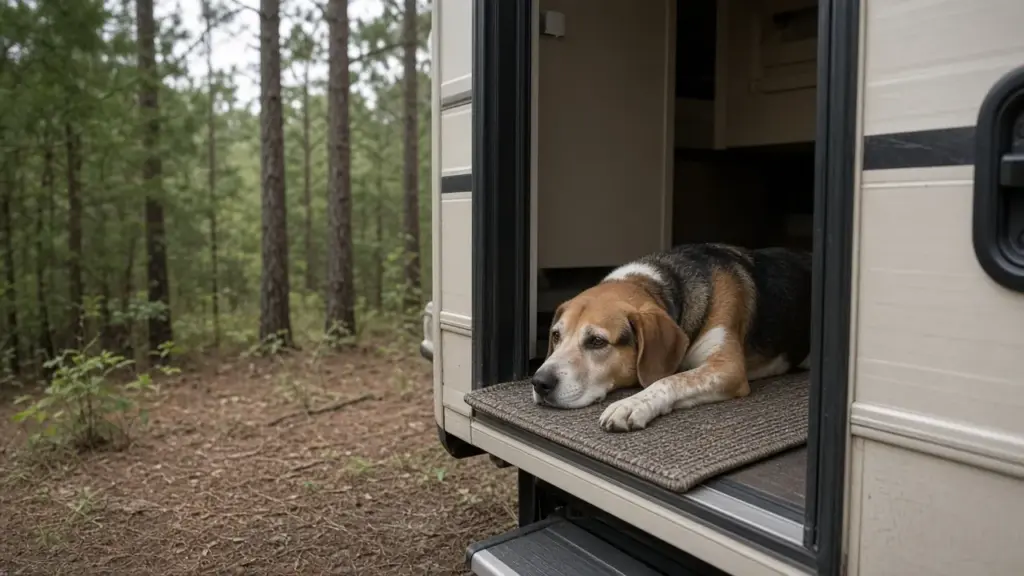
For many people, pets are a big part of what makes an RV feel like home. A dog curled up by the door or a cat perched in the windshield makes a small space feel lived in. But long-term RV living with pets takes more planning than a weekend trip. Space is tight, heat is a real danger in Texas, and in a small park your pet’s behavior affects everyone around you.
This guide covers what we have learned about living with pets in an RV for months at a time. It includes the pet policies you are likely to encounter, how to keep animals safe and comfortable, and how to be the kind of pet owner neighbors appreciate.
Understanding RV Park Pet Policies
Every long-term park sets its own pet rules, and they are often more detailed than campground rules. That is because pets that stay for months have a bigger effect on a small community than pets passing through for a night.
Common policies include:
- Limits on the number of pets. Many parks allow one or two.
- Breed or behavior restrictions. Parks often exclude breeds considered aggressive, or any animal with a history of aggression.
- Leash requirements. Almost universal.
- Rules about leaving pets outside. Many parks do not allow pets to be tied out or left outside unattended.
- Cleanup rules. Picking up after your pet is always expected.
At Magnolia’s Finest, up to two pets are welcome when they are people-friendly and pet-friendly. No aggressive breeds. Dogs must live primarily in the RV, stay leashed, and cannot be left outside unattended, and owners must pick up after them. You can read the full policy on our park rules page.
Read the pet policy before you apply, and be honest on your application. It is far better to find the right fit than to face problems after moving in. Our guide to applying to a long-term RV park explains what information parks typically ask for.
Choosing a Park That Works for Your Pets
When you tour or ask about a park, think about your pet’s daily life:
- Is there room for a safe walk on a leash?
- Is the park quiet enough for a nervous animal?
- Are there hazards nearby, such as busy roads?
- Is there a veterinarian within reasonable driving distance?
- Is the site shaded or covered to help with heat?
A smaller park with fewer people and less turnover can be calmer for pets, too. Our guide to small RV parks vs. big RV resorts compares the two in more detail, and our post on what to look for in a monthly RV park has a quick checklist.
Making Space for Pets in a Small Home
An RV has limited floor space, so plan where everything goes.
For dogs
- Choose a bed or crate spot out of the main walkway
- Keep leashes, bags, and treats by the door
- Use non-slip mats if your dog struggles on smooth floors
- Store food in sealed containers to keep pests away
For cats
- Find a litter box location with ventilation, such as a bathroom corner or a converted cabinet
- Add vertical space with window perches or secure shelves
- Watch the door: cats can slip out quickly during arrivals and departures
- Consider a harness if you want to take your cat outside safely
Heat Safety: The Most Important Rule in Texas
Southeast Texas summers are long and hot, and an RV can heat up quickly if the air conditioning fails or the power goes out. This is the single biggest risk for pets in RVs.
- Never rely on AC alone without a backup plan. Power outages and tripped breakers happen.
- Use a temperature monitor that sends alerts to your phone.
- Plan your absences. Keep trips short on hot days, or arrange for someone to check on your pet.
- Shade helps. A covered site reduces heat build-up on your roof.
- Walk early and late. Hot pavement and concrete can burn paws, and midday heat is dangerous for dogs.
At our park, management is not responsible for pets left unattended in an RV, so owners need their own safety plan. Our year-round Texas weather guide covers summer heat in more detail.
Exercise and Enrichment
Pets in small spaces need activity to stay calm and healthy.
- Take dogs on regular leashed walks, adjusting timing for heat
- Use puzzle feeders and chew toys to keep minds busy
- Rotate toys to keep them interesting
- Play with cats daily using wand toys or laser pointers
- Explore pet-friendly trails and parks in the area on days off
A tired dog is a quiet dog, which matters a lot in a park with quiet hours.
Quiet Hours and Barking
Long-term parks usually enforce quiet hours, and barking is one of the most common neighbor complaints. At our park, quiet hours run from 8 p.m. to 8 a.m., and barking dogs are specifically listed as unnecessary noise.
Tips for a quieter dog:
- Close blinds to reduce visual triggers from passing people and pets
- Use white noise to mask outside sounds
- Build a predictable routine for walks and meals
- Reward calm behavior
- Work with a trainer if barking is persistent
Health, Pests, and Vet Care
Find a veterinarian early
Locate a vet near your park when you first arrive, before you need one. Keep vaccination records and medical history in a folder in your RV. Parks may ask for pet records during the application.
Parasite prevention
Warm, humid climates support fleas, ticks, and mosquitoes year-round. Talk with your veterinarian about prevention for fleas, ticks, and heartworm appropriate for this region.
Fire ants and wildlife
Fire ants are common in Texas. Watch for mounds on walks and keep food bowls inside. In pine country, you may also encounter snakes and other wildlife, so keep dogs leashed and away from brush.
Being a Good Neighbor With Pets
In a small park, good pet manners go a long way.
- Always pick up after your dog, every time
- Keep dogs leashed and close to you
- Do not let your pet approach other people or pets without permission
- Keep pets out of shared spaces where they are not allowed; at our park, the laundry room is pet-free
- Respect park animals and fencing; some of our fencing is electric, and park animals are for guests to enjoy
Pets and Emergencies
Plan for storms, evacuations, and medical emergencies before they happen.
- Keep a pet emergency kit with food, water, medications, records, a leash, and a carrier
- Know which emergency shelters or hotels accept pets
- Make sure pets are microchipped and wearing ID tags
- Save your vet’s number and a nearby emergency vet in your phone
More RV Living With Pets Guides
- Two-Pet Limits at RV Parks: Planning Your Household
- Why RV Parks Restrict Aggressive Breeds
- Leash Rules and Dog Walking at an RV Park
- Helping Dogs Settle Into Living Primarily Inside an RV
- Why Pets Can’t Be Left Outside Unattended at RV Parks
- Cats in an RV: Litter Boxes, Climbing, and Escape Prevention
- Temperature Monitoring for Pets Inside an RV
- Barking and Quiet Hours: Training Tips for RV Dogs
- Picking Up After Your Dog at an RV Park
- Finding a Veterinarian Near Magnolia
- Flea, Tick, and Heartworm Prevention in Southeast Texas
- Fire Ants and Pets: Keeping Paws Safe
- Snakes and Wildlife: Pet Safety in Pine Country
- Exercising Dogs in the Texas Heat
- Pet-Proofing an RV Interior
- Moving to a New RV Park With Pets
- Pet Records to Have Ready for an RV Park Application
- Pet Hair and Odor Control in Small Spaces
- Feeding and Storing Pet Food in an RV
- Introducing Your Pet to RV Park Neighbors
- Pets Around Park Animals and Fencing
- Caring for Senior Pets in RV Living
- Raising a Puppy in an RV
- Planning Ahead for Pet Emergencies in an RV
- Pets During Storms and Evacuations
- Crate Training for RV Life
- Pets and Shared Spaces: Laundry Rooms, Gates, and Walkways
- Keeping Pets Entertained on Rainy Days in an RV
- Grooming Pets When You Live in an RV
Frequently Asked Questions
Do long-term RV parks allow pets?
Many do, with rules. At Magnolia’s Finest, up to two people-friendly and pet-friendly pets are welcome, with no aggressive breeds. Dogs must be leashed and cannot be left outside unattended.
Can I leave my dog outside my RV?
At many parks, no. Our park does not allow pets to be left outside unattended, and dogs must live primarily in the RV.
How do I keep pets safe in an RV during Texas summers?
Use a temperature monitor with phone alerts, have a plan for power outages, keep absences short on hot days, and walk dogs during cooler hours.
What pet records should I have for an RV park application?
Keep vaccination records, basic medical history, and a recent photo of each pet. Ask the park what it requires.
How can I keep my dog from barking at an RV park?
Reduce visual triggers, use white noise, keep a steady routine, provide plenty of exercise, and reward calm behavior. A trainer can help with persistent barking.
A Quiet Park for You and Your Pets
Magnolia’s Finest welcomes up to two friendly pets per site in a small, gated, long-term park with covered sites and cement pads. Review our FAQ, then tell us about your RV, your dates, and your pets. For more on daily life, read our complete guide to monthly RV living.
Check Availability or call or text (281) 205-1959
Magnolia’s Finest RV Park · 32020 Old Hempstead Rd, Magnolia, TX 77355 · Contact us