
Two-Pet Limits at RV Parks: Planning Your Household
October 21, 2025 · By Magnolia RV Park
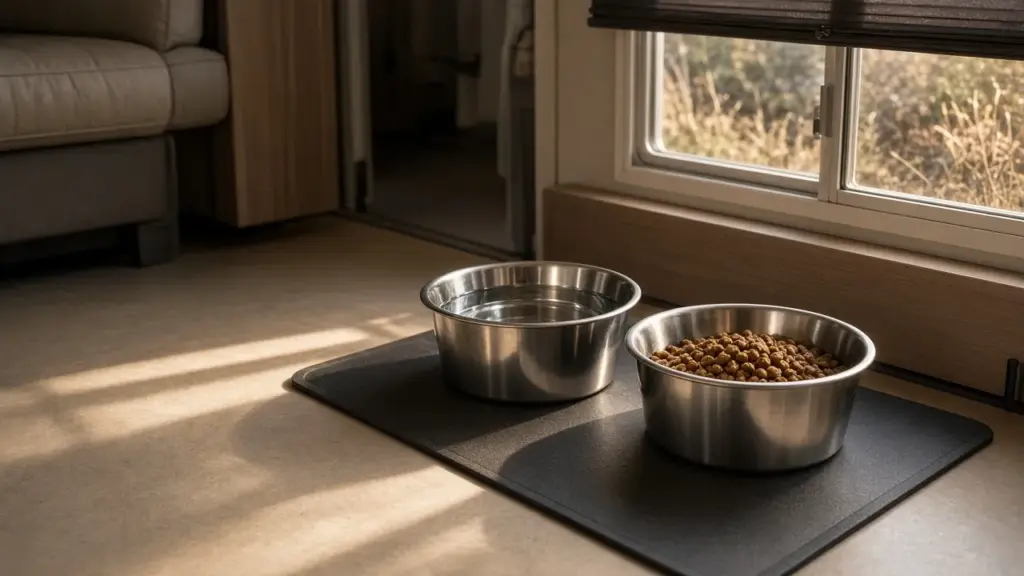
If you are looking for a long-term RV site with animals in tow, you will quickly run into a common rule: a limit of two pets per site. Some parks allow one, a few allow more, but two is a very common standard among long-term parks. It is also the limit at our park in Magnolia.
This guide explains why pet limits exist, what counts toward them, how to plan your household, and how to be the kind of pet owner a small park is happy to have. For the full picture of RV life with animals, see our guide to long-term RV living with dogs and cats.
Why Parks Limit the Number of Pets
Pet limits are not about disliking animals. Many park managers and residents love pets. The limits exist because, in a small community, the number of animals affects everyone.
- Noise. More animals mean more chances for barking, especially when owners are away.
- Space. RV sites are compact, and walking areas are shared.
- Cleanliness. More pets mean more waste to manage and more wear on grass and common areas.
- Safety. Interactions between animals are easier to manage when numbers are limited.
- Fairness. A consistent limit gives every resident the same rules.
In a park with only ten sites, like ours, a few extra animals would noticeably change the atmosphere. A two-pet limit keeps things balanced.
What Counts as a Pet?
This varies by park, so ask. In general, dogs and cats almost always count toward the limit. Some parks count other animals, such as birds or small caged pets, and some do not. If you have anything other than a typical dog or cat, raise it before you apply rather than after you arrive.
Other Pet Rules That Usually Come With Limits
A pet limit is rarely the only rule. At Magnolia’s Finest, pets must be people-friendly and pet-friendly, no aggressive breeds are allowed, dogs must live primarily in the RV, stay leashed, and cannot be left outside unattended, and owners must pick up after them. Pets are also not allowed in the laundry room.
Other parks may have size limits, breed restrictions, vaccination requirements, or designated walking areas. Read the whole pet policy, not just the number. Our park rules include our complete policy.
Planning Your Household Around a Limit
If you have more than two animals, you have a few options, and none of them are easy. It is far better to think this through honestly before applying than to hope no one notices.
If you have two or fewer
You are in good shape. Focus on making sure your pets meet the temperament and behavior standards, and have their records ready.
If you have more than two
- Look for parks that allow more animals, understanding there may be fewer options
- Consider whether a family member or friend could care for one animal during a shorter stay
- Think about whether RV life is the right fit for your current household
Never hide an animal. In a small park, it will be noticed quickly, and it can put your site at risk.
Thinking About Adding a Pet
If you already have two pets and are tempted to adopt another during your stay, check the rules first. The limit applies to the total number of animals on the site at any time, not just at move-in. The same goes for pet-sitting: bringing a friend’s dog to stay for a week may count against the limit. When in doubt, ask management before the animal arrives.
Two Pets in a Small Space
Even within the limit, two animals in an RV need planning.
- Separate spaces. Give each pet its own bed or retreat spot.
- Feeding. Feed pets separately if they compete for food.
- Litter and waste. Cats need a well-ventilated litter spot; dogs need regular walks.
- Exercise. Two dogs usually need more activity, especially in a small space.
- Alone time. Consider how your pets behave together when you leave.
A calm, well-exercised pair of pets is easy to live with. A bored, anxious pair can be a problem for you and your neighbors.
Heat Safety for Multiple Pets
Southeast Texas summers are hot, and an RV can heat up quickly if the power goes out or the AC fails. With two animals, the stakes are higher. Use a temperature monitor that alerts your phone, keep absences short on very hot days, and have a backup plan. Our post on preparing your RV for Texas summer has heat tips that apply to pets as well as people.
What to Include on Your Application
Long-term parks typically ask for pet details on the application. Be ready to share:
- Number and type of animals
- Breed and approximate size
- Temperament and any history of aggression
- Vaccination and licensing records
- A photo of each pet
Being complete and honest makes the process smoother. Our guide to applying to a long-term RV park explains the overall process.
Choosing a Park With Your Pets in Mind
When you compare parks, consider more than the pet limit. Is there space for a leashed walk? Is the park quiet enough for a nervous animal? Is a veterinarian nearby? Our post on what to look for in a monthly RV park has a quick checklist that helps.
When a Pet Situation Changes
Households change during long stays. A pet may pass away, a family member may ask you to take in their animal, or you may find a stray near the park. Any change in the animals living on your site should go through management first. A quick text explaining the situation lets the park confirm whether the change fits the rules and keeps your records accurate.
It also helps to keep your pet records current throughout your stay. Update vaccination paperwork when boosters are given, and let management know if a pet develops a behavior issue that could affect neighbors. Being upfront builds trust, and in a small park, trust between residents and management makes everything easier, from maintenance requests to renewal conversations.
Being a Great Pet Owner in a Small Park
Following the rules is the minimum. Being a pet owner neighbors appreciate goes further:
- Pick up after your dog every time, even if no one is watching
- Keep dogs close on a leash and away from other sites
- Manage barking, especially during quiet hours from 8 p.m. to 8 a.m.
- Introduce your pets to neighbors calmly and only when invited
- Keep food and pet supplies inside to avoid attracting pests
Frequently Asked Questions
Why do RV parks limit residents to two pets?
Limits help manage noise, space, cleanliness, and safety in a small community, and they give every resident the same rules.
Do cats count toward an RV park’s pet limit?
Usually, yes. Dogs and cats typically both count. Ask each park how it handles other animals.
Can I pet-sit a friend’s dog at my RV site?
Check with management first. A visiting animal may count toward the site’s pet limit.
What pet information do RV parks ask for?
Expect questions about number, type, breed, size, temperament, and vaccination records. Some parks ask for photos.
Bring Your Two Best Friends to Magnolia
Magnolia’s Finest welcomes up to two friendly pets per site in a quiet, gated, long-term park with covered sites and cement pads. Check our FAQ, then tell us about your RV, your dates, and your pets.
Check Availability or call or text (281) 205-1959
Magnolia’s Finest RV Park · 32020 Old Hempstead Rd, Magnolia, TX 77355 · Contact us