
Cats in an RV: Litter Boxes, Climbing, and Escape Prevention
December 24, 2025 · By Magnolia RV Park
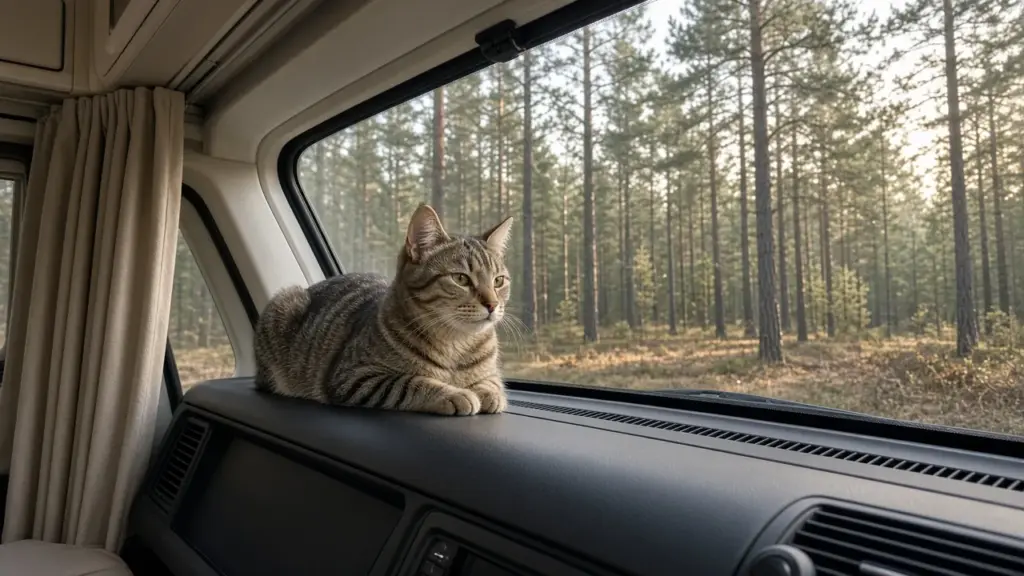
Cats can adapt surprisingly well to RV life. They tend to prefer small, cozy spaces, enjoy watching the world from windows, and often settle quickly into routines. But living in an RV long term still takes planning, especially around litter boxes, climbing space, and preventing escapes.
This guide covers practical tips for living with cats in an RV at a long-term park. For a broader guide to pets in RVs, see our pillar on long-term RV living with dogs and cats.
Why Cats Can Thrive in RVs
Many cats do well in RVs because:
- They like small, secure spaces
- They can be happy indoors with enrichment
- They enjoy window views of birds and activity
- They do not need walks like dogs do
That said, every cat is different. Some adjust in days; others take weeks. Patience helps.
Know the Park’s Pet Rules
Before moving in, review the park’s pet rules. At our park, up to two pets are allowed, aggressive breeds are not, pets are not allowed in the laundry room, and the park is not responsible for pets left in the RV. Our post on two-pet limits at RV parks discusses planning a household with multiple pets.
Litter Box Placement
Finding the right litter box spot is one of the biggest challenges in an RV. Options include:
- Bathroom or shower area, if there is room and you can access the shower when needed
- Under a dinette or bench, with an opening cut for access if your RV allows
- Inside a cabinet converted with a cat-sized entrance
- Hidden litter box furniture designed to look like a cabinet or bench
Choose a spot your cat can always reach, even when slides are retracted. Keep it away from food and water.
Controlling Litter Odor and Mess
In a small space, odor control matters:
- Scoop daily, or more often
- Use a litter that clumps well and controls odor
- Choose a covered or top-entry box to reduce tracking
- Place a litter mat at the exit
- Change litter completely on a regular schedule
- Ventilate with vent fans
Dispose of used litter in sealed bags in the trash. Never flush litter; RV plumbing and septic systems are not designed for it. Our park uses a septic system, so only septic-safe waste should go down drains.
Vertical Space and Climbing
Cats love to climb, and RVs have limited floor space. Add vertical territory:
- Window perches that attach securely
- Wall-mounted shelves designed for cats
- Compact cat trees secured so they do not tip
- The top of the dashboard or bunks, if safe
Secure anything tall so it does not fall when you open slides or if the RV rocks in wind.
Scratching
Provide scratching posts or pads to protect furniture. Place them near sleeping areas and entrances, where cats often like to scratch. Reward your cat for using them.
Escape Prevention
Escapes are one of the biggest risks for RV cats. An RV door opens directly to the outdoors, and a startled cat can dart out in seconds. Prevent escapes by:
- Training household members to check for the cat before opening the door
- Using a screen door guard or a pet barrier near the door
- Keeping the cat in a bedroom or carrier during setup, arrivals, and departures
- Checking window screens for gaps or tears
- Microchipping your cat and keeping contact information current
- Using a breakaway collar with an ID tag
If your cat escapes, search immediately and calmly. Notify park management and neighbors.
Why Outdoor Roaming Is a Problem
Many parks do not allow cats to roam freely. Roaming cats can encounter wildlife, cars, and park animals, and they can bother neighbors. Some parks, including ours, have park animals and electric fencing. Our post on why pets can’t be left outside unattended explains the reasoning.
If your cat enjoys the outdoors, consider leash and harness training for supervised time outside.
Heat Safety
Texas heat can be dangerous for cats inside an RV. Protect them by:
- Maintaining your air conditioner and cleaning filters regularly
- Using a temperature monitor with phone alerts
- Having a backup plan if power fails while you are away
- Closing blinds on sunny sides
- Providing fresh water at all times
Travel and Moving Days
On moving days, keep your cat in a secure carrier. Never let a cat roam loose in a moving RV. Make sure the carrier is secured.
Enrichment for Indoor Cats
Keep your cat mentally engaged:
- Interactive toys and wand play
- Puzzle feeders
- Rotating toys weekly
- Short training sessions using treats
- Window views of birds
Cats and Dogs Together
If you have a cat and a dog, give your cat high spaces to escape and a dog-free area for food and litter. Our post on helping dogs settle into living primarily inside an RV covers dog routines that can help reduce stress for both pets.
Budgeting for Cat Care
Plan for litter, food, veterinary care, and supplies. Our post on how to compare monthly RV park costs fairly explains how to include pet-related costs when comparing parks.
Veterinary Care and Records
Find a veterinarian near your park soon after moving in. Keep vaccination records, microchip numbers, and recent photos in a folder. Parks may ask for pet records during applications, and they are essential if your cat is ever lost.
Helping a Cat Adjust to a New RV
The first days in a new RV can be stressful for a cat. Start by setting up one small, quiet area with the litter box, food, water, a bed, and a hiding spot. Let your cat explore that space first before opening up the rest of the RV. Keep routines consistent: feed at the same times and play at the same times each day. Use familiar blankets and toys that carry your cat’s scent. Avoid forcing interaction; let your cat come to you. Many cats begin exploring confidently within a few days, while shy cats may take a couple of weeks. Patience during this period builds trust and helps your cat see the RV as home.
Keeping Cat Hair Under Control
Cat hair builds up quickly in a small space. Brush your cat several times a week, vacuum often, and wash bedding and blankets regularly. Clean AC filters more often, since hair clogs them faster.
Frequently Asked Questions
Where should I put a litter box in an RV?
Common spots include the bathroom, under a dinette or bench, inside a converted cabinet, or in litter box furniture. Keep it accessible when slides are in.
Can I flush cat litter in an RV?
No. Dispose of litter in sealed bags in the trash. RV plumbing and septic systems are not designed for litter.
How do I stop my cat from escaping the RV?
Check for the cat before opening the door, use barriers, secure screens, and keep the cat confined during arrivals and departures.
Can my cat roam outside at the park?
Many parks do not allow it. Supervised leash and harness time is a safer option.
A Pet-Friendly Home Base
Magnolia’s Finest welcomes friendly pets within clear rules in a small gated park in Magnolia, TX. Review our park rules and our FAQ page.
Check Availability or call or text (281) 205-1959
Magnolia’s Finest RV Park · 32020 Old Hempstead Rd, Magnolia, TX 77355 · Contact us