
Fire Ants and Pets: Keeping Paws Safe
March 8, 2026 · By Magnolia RV Park
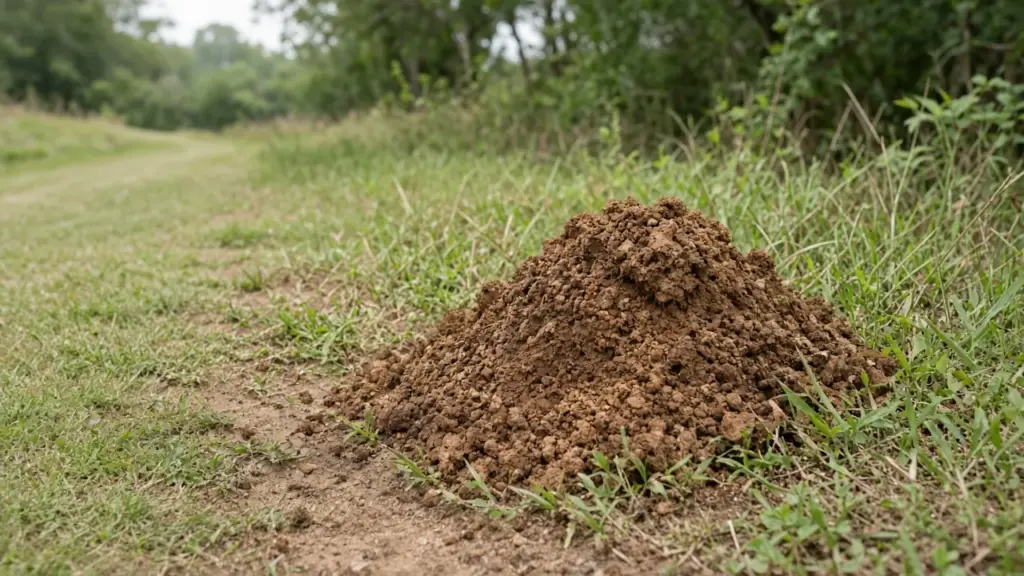
Fire ants are a fact of life in Southeast Texas. Their mounds pop up in lawns, along paths, and near pavement, especially after rain. For pets, a fire ant encounter can mean painful stings, swelling, and in some cases a serious allergic reaction. RV residents who walk their dogs daily need to know how to spot fire ants, avoid them, and respond quickly if a sting happens.
This guide explains how to protect pets from fire ants and what to do if your pet is stung. For a complete overview of living with pets in an RV, see our pillar on long-term RV living with dogs and cats.
What Fire Ants Are
Fire ants are small reddish-brown ants that build mounds of loose soil. When disturbed, they swarm and sting repeatedly. Their stings cause a burning sensation, and small pustules often form on the skin afterward.
Where Fire Ants Show Up
Fire ants like sunny, open areas. Watch for mounds:
- In grassy areas and lawns
- Along sidewalks and pavement edges
- Near utility boxes and posts
- Around trees and fence lines
- After heavy rain, when ants rebuild quickly
Mounds may be low and hard to spot in tall grass.
Why Pets Are at Risk
Dogs explore with their noses and paws. A curious sniff or a step into a mound can lead to multiple stings on the face, paws, or belly. Small dogs, puppies, and older pets may be more vulnerable. Cats that go outside can be stung too.
Prevention on Walks
Simple habits reduce the risk:
- Keep dogs leashed so you control where they step
- Stay on paved or mowed paths when possible
- Scan ahead for mounds before your dog reaches them
- Avoid standing still in grassy areas
- Walk in cooler parts of the day, when you can pay attention
At Magnolia’s Finest, dogs must be leashed outside and never left outside unattended, which helps prevent encounters. The park handles lawn care, which keeps grass manageable.
Signs Your Pet Has Been Stung
Watch for:
- Sudden yelping, biting, or licking at paws
- Hopping or holding up a paw
- Redness and swelling
- Small bumps or pustules
- Restlessness or pain
Immediate First Aid
If your pet is stung:
- Move away from the mound immediately.
- Brush ants off quickly with a cloth or gloved hand, since ants cling and keep stinging.
- Check paws, face, and belly for remaining ants.
- Rinse the area with cool water.
- Apply a cool compress to reduce swelling.
- Call your vet for advice, especially if there are many stings.
Do not give human medications without talking to your vet first.
Signs of an Allergic Reaction
Some pets have severe allergic reactions. Seek emergency veterinary care if you notice:
- Difficulty breathing
- Swelling of the face or throat
- Vomiting or diarrhea
- Weakness or collapse
- Pale gums
Know where the nearest emergency vet is before you need it. Our post on finding a veterinarian near Magnolia explains how to prepare.
Pet First Aid Kit
Keep a pet first aid kit in your RV with:
- Gauze and bandage wrap
- Cool packs
- Gloves
- Tweezers
- Saline rinse
- Your vet’s phone number
- Emergency vet address
Keeping Ants Out of the RV
Fire ants and other ants can find their way into RVs through hookups, jacks, and tires. Tips:
- Keep food sealed and crumbs cleaned up
- Watch for ant trails along power cords and hoses
- Keep the area around your RV free of clutter
At our park, items on or under the site are not allowed, which reduces places for pests to nest. If you notice ants near your site, let management know.
Pet Bowls and Food
Do not leave pet food or water bowls outside, which attract ants. Feed pets inside the RV.
Other Outdoor Hazards
Fire ants are one of several outdoor hazards for pets in Southeast Texas. Others include heat, fleas, ticks, and snakes. Our post on flea, tick, and heartworm prevention in Southeast Texas covers parasites, and our post on temperature monitoring for pets inside an RV covers heat safety.
Outings and Trails
When visiting parks and forests, watch for mounds along trails and picnic areas. Choose picnic spots carefully and check the ground before setting down blankets or bags.
Pets in Different Living Situations
Pet rules and outdoor exposure differ between housing types. Our post on RV park vs. mobile home park differences explains how communities differ, including rules on outdoor items and yard space.
Protecting Yourself Too
Fire ants sting people as well. Wear closed-toe shoes when walking, especially in grass. If you are stung, wash the area and avoid scratching pustules.
After Rain
Fire ants often rebuild mounds after heavy rain. Be extra careful on walks after storms, when fresh mounds may appear overnight.
Teaching Your Dog to Avoid Mounds
Some owners train dogs to respond to a “leave it” or “this way” cue that steers them away from hazards. Practice the cue with treats in safe areas, then use it on walks when you spot a mound ahead. A reliable cue helps with more than fire ants; it is useful for snakes, dropped food, and other dangers. Consistent training also strengthens your bond and makes walks more relaxed for both of you.
Checking Paws After Walks
Make a quick paw check part of your routine after every walk. Look between toes and pads for ants, burrs, or small cuts. Wipe paws with a damp cloth, which also reduces pollen and dirt tracked into the RV. Catching a sting or injury early makes treatment easier and keeps your pet comfortable.
Cats and Fire Ants
Most cats in RVs live indoors, but some owners take cats outside on a harness and leash. If you do, watch the ground carefully, since cats may sit or lie down in grass where mounds are hidden. Indoor cats can still encounter ants that find their way inside along hoses and cords. Keep food bowls inside on a tray or in a shallow moat dish designed to stop ants, and clean up spills promptly.
Seasonal Patterns
Fire ants are active much of the year in Southeast Texas, with activity often increasing in warm, moist weather. Spring and early summer, along with periods after rain, tend to bring more visible mounds. In cooler months, ants may be less active on the surface but can still sting if disturbed. Stay alert year-round, and adjust walking routes when you notice new mounds appearing near your usual path.
Frequently Asked Questions
What should I do if my dog steps in a fire ant mound?
Move away, brush ants off quickly, rinse with cool water, apply a cool compress, and call your vet for advice.
When is a fire ant sting an emergency?
Seek emergency care if your pet has difficulty breathing, facial swelling, vomiting, weakness, or collapse.
Can I leave my dog tied outside at the park?
No. Dogs must be leashed outside and never left outside unattended.
How can I keep ants out of my RV?
Keep food sealed, clean crumbs, watch for trails along hoses and cords, and keep the site clutter-free.
Keep Pets Safe in Magnolia
Magnolia’s Finest RV Park welcomes responsible pet owners. Read the FAQ, review the park rules, or check availability.
Check Availability or call or text (281) 205-1959
Magnolia’s Finest RV Park · 32020 Old Hempstead Rd, Magnolia, TX 77355 · Contact us