
Evacuating With Your RV vs. Leaving It Behind
August 12, 2026 · By Magnolia RV Park
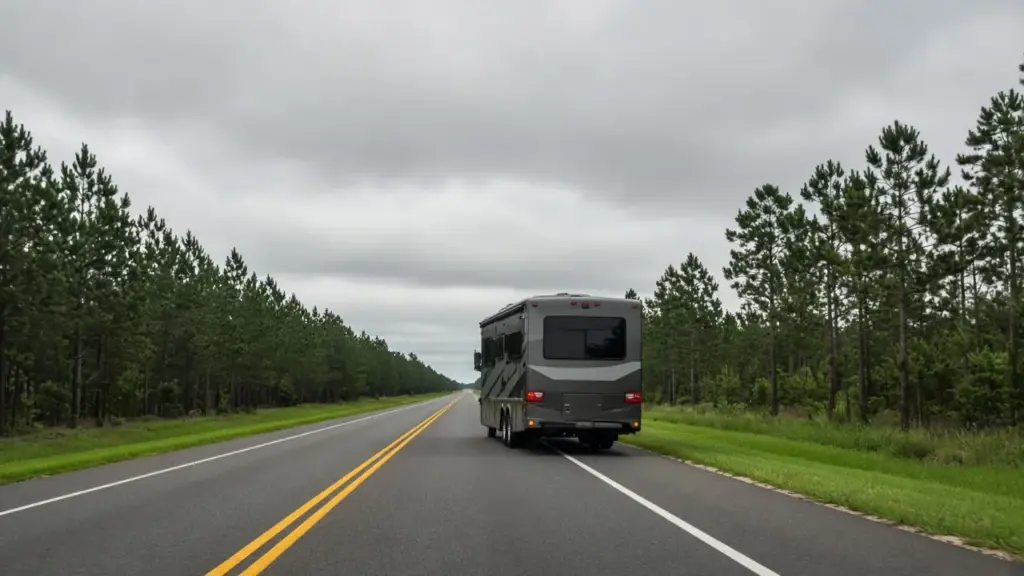
When a hurricane or major flood threatens Southeast Texas, RV residents face a question that homeowners do not: should you take your home with you or leave it behind? Your RV can be both an asset and a burden during an evacuation. The right choice depends on timing, your RV’s condition, your driving experience, and the situation.
This guide walks through the pros and cons of each option and how to prepare. For a broader look at weather in the region, see our pillar, Texas Weather and Your RV: A Year-Round Guide.
Why This Decision Matters
Hurricane season runs from June 1 to November 30. RVs are more vulnerable to high winds, falling trees, and flooding than most houses. Deciding in advance how you will respond gives you time to prepare and helps you act quickly when a storm approaches.
Always follow official evacuation orders and guidance from local authorities. Your safety comes first.
Reasons to Evacuate With Your RV
You Bring Your Home
Taking your RV means you have your bed, kitchen, bathroom, and belongings with you. You do not need to find a hotel or shelter, which can be difficult during large evacuations.
Protecting Your Investment
If your RV is your primary residence and most valuable asset, moving it out of harm’s way can protect it from wind, flooding, and falling limbs.
Pets Stay Comfortable
Many shelters and hotels have limited pet options. Bringing your RV keeps pets in a familiar environment.
Reasons to Leave Your RV Behind
Traffic and Timing
Evacuation traffic can be heavy and slow. Driving a large RV or towing a trailer in heavy traffic, high winds, or rain is stressful and potentially dangerous. If you wait too long, it may be unsafe to move the RV.
Wind Risk While Driving
RVs are tall and can be hard to control in strong winds. Driving into worsening weather puts you at risk.
RV Not Road-Ready
If your RV has been parked for months, it may need maintenance before travel. Tires, brakes, bearings, and batteries may not be ready for a long drive on short notice.
Finding a Place to Park
During major evacuations, campgrounds and parks inland may fill quickly. You may not find a place to stay with your RV.
Personal Safety
Your life is more important than your RV. If moving it would put you at risk, leave it and evacuate in your vehicle.
Making the Decision Early
The key to a good evacuation is deciding early. If you plan to take your RV, leave well before the storm arrives, when winds are calm and traffic is lighter. If conditions worsen or you are running out of time, leave the RV and go.
Watch forecasts closely during hurricane season and set up weather alerts on your phone.
Keeping Your RV Road-Ready
If you want the option to evacuate with your RV, keep it road-ready during hurricane season:
- Check tire pressure, tread, and age
- Keep brakes and bearings serviced
- Keep batteries charged
- Maintain your tow vehicle if you have a trailer
- Keep your fuel tank at least half full
A maintenance log helps you track these items. Our post on keeping a maintenance log for your RV explains how.
Preparing an RV You Leave Behind
If you leave your RV behind:
- Retract slide-outs and awnings
- Close and secure windows and vents
- Turn off propane
- Disconnect utilities as appropriate
- Unplug electronics
- Remove valuables and important documents
- Take photos for insurance purposes
Remember that tarps and covers are not allowed at our park. Check your roof and seals before storm season; our post on keeping slide-out seals healthy through heat and rain explains what to look for.
Your Emergency Kit
Whether you take your RV or not, bring an emergency kit with water, food, medications, documents, and pet supplies. Our post on an emergency kit for RV residents covers what to include.
Heat After the Storm
After a hurricane, power outages are common, and heat can be dangerous. If you return to your RV without power, air conditioning may not work. Our post on reducing RV air conditioner strain in Texas heat covers keeping your RV cool, and your emergency kit should include ways to stay cool.
Insurance
Review your insurance before hurricane season. At our park, residents need liability and property coverage at state minimums. Make sure you understand what your policy covers for wind and flood damage.
Communicating With Management
Let management know your evacuation plans. If you leave your RV behind, share how to reach you. Text management at (281) 205-1959.
Returning Home
After a storm, wait until authorities say it is safe to return. Inspect your RV carefully for damage, including roof, seals, and underneath. Check for leaks, electrical issues, and propane problems before reconnecting utilities.
Planning Your Destination
If you decide to evacuate, know where you are going before you leave. Many RV residents identify one or two inland destinations in advance, such as a friend’s property, a family member’s home, or a campground farther from the coast. Call ahead if possible to confirm space, especially if you are bringing your RV. During large evacuations, many people head in the same direction, and options can fill quickly.
Plan more than one route in case roads are closed or congested. Keep paper maps as a backup, since cell service can be unreliable during emergencies. Share your destination and expected route with family or friends so they know where to find you.
Flooding Considerations
Hurricanes are not the only reason to evacuate. Heavy rain can cause flash flooding throughout the Houston region, sometimes with little warning. Never drive through flooded roads. It takes surprisingly little moving water to sweep away a vehicle, and a heavy RV or trailer is no exception. If you see water over the road, turn around and find another route.
If flooding threatens your area, decide early whether to move. Waiting until water is rising can leave you with no safe options.
Practicing Your Plan
Walk through your evacuation plan before storm season. Time how long it takes to secure your RV, load pets, and gather your emergency kit. Practicing helps you identify gaps and makes the real thing far less stressful.
Staying Informed
Reliable information is essential during a storm. Follow official sources, such as the National Weather Service and local emergency management, rather than rumors on social media. Keep a battery-powered or hand-crank radio in your emergency kit in case cell networks and power go down. Knowing exactly what is happening helps you make better decisions for your household.
Frequently Asked Questions
Should I evacuate with my RV?
It depends on timing, road conditions, your RV’s readiness, and your driving experience. If moving it would put you at risk, leave it.
When is hurricane season?
June 1 to November 30.
Can I cover my RV with a tarp before a storm?
No. Tarps and covers are not allowed at our park.
What should I do with my RV if I leave it behind?
Retract slides and awnings, secure windows and vents, turn off propane, and remove valuables and documents.
Stay Prepared in Magnolia
Explore our amenities, read our FAQ, or check availability.
Check Availability or call or text (281) 205-1959
Magnolia’s Finest RV Park · 32020 Old Hempstead Rd, Magnolia, TX 77355 · Contact us