
RV Living for Workers and Contractors North of Houston
October 5, 2025 · By Magnolia RV Park
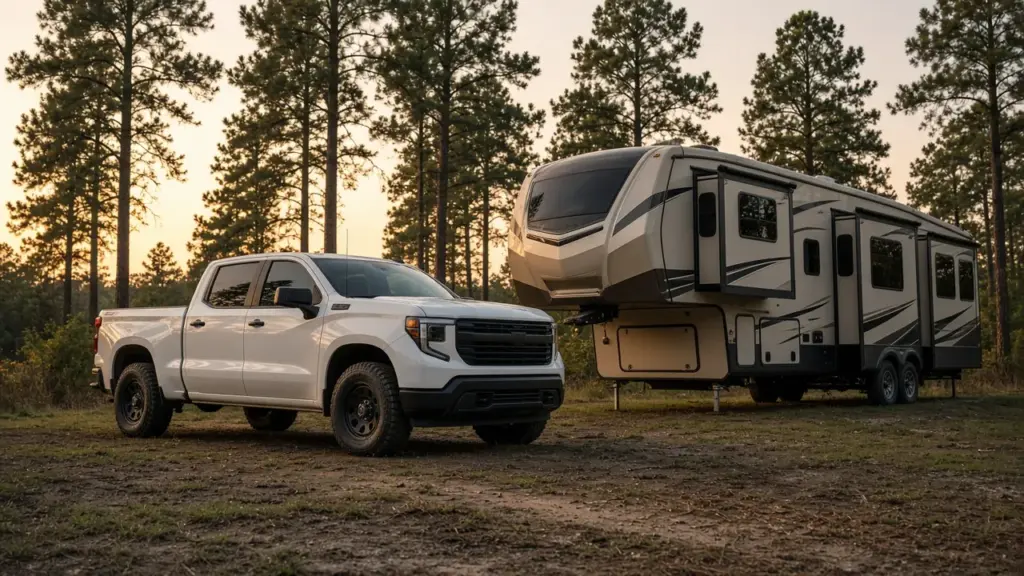
A lot of the people who live in RVs around north Houston are not on vacation. They are nurses on travel contracts, construction crews, energy and pipeline workers, linemen, and people relocating for a new job. For them, an RV is a practical tool: a familiar bed, a kitchen, and a home base that moves when the work does.
This guide is for working RV residents. It covers what makes a park work for a job, how to think about commuting from a quieter town like Magnolia, and the routines that keep a work assignment from wearing you down. We run a small long-term park in Magnolia, so we see these questions often.
Why Workers Choose RVs
For a job that lasts a few months, an RV often makes more sense than the alternatives.
- Consistency. You sleep in your own bed every night, no matter where the job takes you.
- Flexibility. Monthly sites can be easier to start and end than a traditional apartment lease.
- Cooking at home. A real kitchen helps you eat better and control costs on long assignments.
- Separation from the job site. Living a short drive away gives you a real break at the end of the day.
However, the park has to support working life. That means quiet nights, reasonable rules for vehicles, and management you can reach.
What Makes an RV Park Work for Workers
Quiet at night
If you work early shifts or long days, sleep is not optional. Parks with lots of overnight turnover can be noisy: late arrivals, slamming doors, and weekend crowds. A long-term park with enforced quiet hours is usually a better fit. Ours runs quiet hours from 8 p.m. to 8 a.m., and we do not accept overnight guests.
Vehicle rules you can live with
Workers often have a truck, sometimes a second vehicle, and tools. Before you apply anywhere, ask about vehicle limits, parking, and whether work trucks and equipment are allowed. At our park, each site allows up to two vehicles that are registered and running. Extensive mechanic work and vehicle washing are not allowed, and trailers and boats cannot be stored on the site. Knowing that up front avoids problems later. Our park rules spell out the details.
A solid, easy site
After a long day, you do not want to fight mud or re-level. Concrete pads and covered sites make daily life easier. All ten of our sites sit on cement pads, and eight are covered, which helps in the Texas sun.
Laundry on site
Work clothes pile up fast. An on-site laundry room saves hours every week. Ours has two washers and two dryers in an air-conditioned room.
Responsive management
When something goes wrong at 5 a.m., you want to know how to reach someone. Ask how a park handles maintenance requests and emergencies. We prefer text for the fastest response.
Commuting From Magnolia
Magnolia sits in Montgomery County northwest of Houston. Main routes include FM 1774, FM 1488, and Texas 249, leading toward Tomball, The Woodlands, Conroe, Cypress, and north Houston. Our Magnolia area guide goes into the roads in more detail.
We do not publish commute times because they change so much by time of day and construction. The best approach is simple:
- Map the route from the park to your job site.
- Drive it once at the actual time you will commute.
- Drive it again on the way home at the time your shift ends.
- Decide whether the quieter nights are worth the drive.
Many workers find that a slightly longer drive is a fair trade for better sleep and a calmer place to come home to.
Setting Up Your RV for a Work Assignment
A work RV should be simple to live in and simple to maintain.
Power and utilities
Know your RV’s electrical needs, whether it runs on 30-amp or 50-amp service, and confirm what the site provides before you arrive. Use a surge protector and a water pressure regulator. Our guide to RV hookups for long stays explains the basics.
A place to sleep well
Blackout curtains, a good mattress, and a fan or white-noise machine can transform your sleep, especially if you work nights or early mornings.
Workspace for paperwork
Even field jobs come with timesheets, certifications, and forms. A small, dedicated spot with a charger and a folder system keeps you organized.
Storage for work gear
Boots, safety gear, and work clothes need a home. Keep them near the door, and remember that long-term parks usually limit what can be stored outside or under the RV.
Routines That Keep You Going
Long assignments are a marathon. Small habits help.
- Meal prep once or twice a week. Cooking in batches saves time on work nights.
- A set laundry day. Do not let work clothes stack up.
- A weekly rig check. Walk around the RV, look at tires and seals, and check for leaks.
- A day-off reset. Clean, restock, and rest. You will work better for it.
Our complete guide to monthly RV living covers daily routines in more depth.
Budgeting a Work Assignment
Before you commit to a location, build a simple budget for the full assignment:
- Site rent, deposit, and any screening fee
- Utilities you are responsible for
- Fuel for commuting
- Groceries and meals
- RV insurance, which long-term parks usually require
- A cushion for repairs
If your employer offers housing support or per diem, ask exactly what it covers and what records you need to keep. For tax questions, talk with a qualified professional. We do not give tax advice.
Applying as a Worker
Long-term parks typically screen every applicant. Expect questions about occupants, vehicles, pets, your RV, and insurance, plus a background check. At our park, RVs must be fully self-contained, in good condition, and 15 years or newer, with a maximum of two people, two pets, and two vehicles per site.
If your company is arranging housing, clarify who signs the application and whose name is on file, since everyone living on the site needs to be on record. Our guide to applying to a long-term RV park walks through each step.
Arriving for the Job
Plan to arrive in daylight. We ask that RVs arrive before 6 p.m. so you can set up before dark. Text when you are on the way so we can share gate and arrival notes. If you are coming from out of state, our post on moving to Magnolia, TX with an RV covers the order of operations.
When the Job Ends
Assignments change. If your contract ends early or gets extended, communicate early with park management. At our park, the security deposit may be refunded at departure if there is no damage and you give at least seven days’ notice.
More Work & Commuting Guides
- Travel Nurses and Medical Staff: RV Living North of Houston
- Construction Crews and RV Living: What Makes a Park Work
- Energy and Pipeline Workers: Choosing a Monthly Base North of Houston
- Linemen and Storm Crews: Finding RV Sites During Deployments
- Corporate Relocation: Using an RV While House Hunting
- Commuting From Magnolia to The Woodlands
- Commuting From Magnolia to Cypress and Northwest Houston
- Commuting From Magnolia to Downtown Houston: What to Weigh
- Early Shift Workers and RV Park Quiet Hours
- Keeping Work Trucks and Tools Within RV Park Rules
- Two Vehicles at One RV Site: Parking a Work Truck and a Car
- Setting Up a Real Desk in an RV
- Printing, Scanning, and Paperwork When You Work From an RV
- Budgeting a Work Assignment Around RV Living
- Per Diem and RV Living: Questions to Ask Before You Sign On
- Packing an RV for a Three- to Six-Month Job
- Sleeping Well Between Shifts in an RV
- Meal Prep for Long Work Days in an RV
- Keeping Work Clothes Clean: Laundry Plans for Crews
- Securing Your RV While You’re at Work
- Weekend Routines for Working RV Residents
- Working Couples in an RV: Scheduling Around Two Jobs
- When a Contract Ends Early: Notice, Deposits, and Next Steps
- Moving Between Job Sites With an RV
- Why Some Workers Prefer Small RV Parks Over Crew Camps
- Company-Paid RV Sites: Who Signs, Who Pays, and Who Is on File
- Work Trailers and Equipment at RV Parks: Common Rules
- Getting Mail and Paychecks While Working Away From Home
- Staying Connected to Family During a Long Work Assignment
Frequently Asked Questions
Can I park a work truck at a long-term RV park?
Often, yes, but rules vary. At our park, up to two registered, running vehicles are allowed per site. Ask about work trucks, trailers, and equipment before you apply.
Are long-term RV parks quiet enough for shift workers?
Parks that focus on long stays and enforce quiet hours are usually the best fit. Ours runs quiet hours from 8 p.m. to 8 a.m. and does not accept overnight guests.
Do RV parks require background checks for workers?
Many long-term parks screen every applicant, including workers. Our park requires a basic background check as part of the application.
How do I estimate my commute from Magnolia?
Map the route, then drive it once at the time you will actually commute. Traffic around north Houston varies a lot by hour.
What if my assignment ends early?
Talk to management as soon as you know. At our park, the deposit may be refunded if there is no damage and you give at least seven days’ notice.
A Quiet Home Base for Your Next Assignment
Magnolia’s Finest is a small, gated, long-term park with eight covered sites, cement pads on every site, and on-site laundry. If you are working north of Houston and want quiet nights after long days, tell us your dates, your RV, and your vehicles. Learn more about long-term RV living in Magnolia.
Check Availability or call or text (281) 205-1959
Magnolia’s Finest RV Park · 32020 Old Hempstead Rd, Magnolia, TX 77355 · Contact us