
Keeping Work Clothes Clean: Laundry Plans for Crews
May 28, 2026 · By Magnolia RV Park
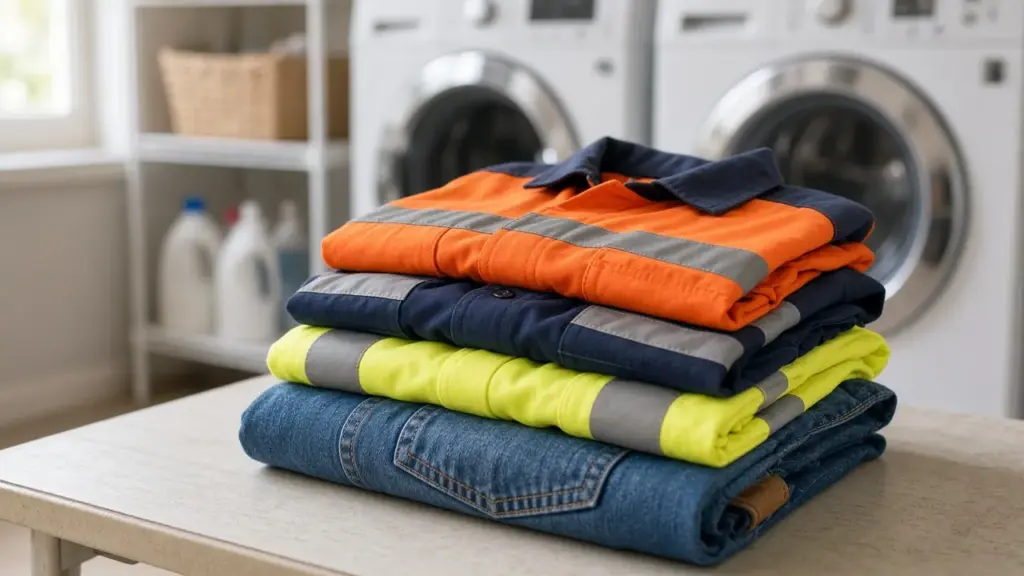
If you work construction, pipeline, industrial maintenance, landscaping, or another hands-on job, your work clothes take a beating. Mud, grease, sweat, dust, and chemicals all end up on your jeans, shirts, and jackets. When you live in an RV, dirty work clothes can quickly take over a small space and create odors, stains, and clutter.
A simple laundry plan keeps your work clothes clean, your RV fresh, and shared laundry machines in good shape for everyone. This guide covers practical laundry strategies for workers and crews living in RVs. For the bigger picture of working and living north of Houston, start with our pillar, RV Living for Workers and Contractors North of Houston.
Why Work Clothes Need Their Own Plan
Work clothes are different from everyday clothes. They are often heavier, dirtier, and exposed to substances that can transfer to other fabrics. Washing them with regular clothes can spread dirt, grease, and odors. They can also leave sand, mud, and debris in washers and dryers.
In an RV, space is limited, so you need a system for storing dirty work clothes until laundry day without letting them smell up the whole RV.
Build a Work Clothes Rotation
Having enough work clothes for your schedule makes laundry easier. A common approach is to have enough sets for your work week plus one or two extras. For example, if you work five days, keep six or seven sets. That way, you can do laundry once or twice a week without running out.
Durable, easy-care fabrics help. Many workers prefer clothes that resist stains and dry quickly.
Handle Dirty Clothes at the Door
Dirt starts at the door. When you get home:
- Knock off loose dirt outside. Shake out clothes and boots before going inside.
- Change quickly. Take off work clothes soon after you get home.
- Store them separately. Use a dedicated hamper, bin, or bag for work clothes, separate from regular laundry.
- Keep boots in a tray. A boot tray near the door contains mud and debris.
A breathable laundry bag or ventilated bin helps prevent odors from sweat-soaked clothes. Avoid sealing damp clothes in plastic bags for days, which encourages mildew.
Pre-Treat Stains
Stains are easier to remove before they set. Keep a stain remover near your work clothes hamper and treat grease, oil, and heavy soil as soon as possible. For heavy grease, a degreasing laundry product designed for work clothes can help.
Let heavily soiled clothes dry and brush off as much dirt as possible before washing. This keeps mud and sand out of the machines.
Use Shared Machines Considerately
At our park, residents share a laundry room with two washers and two dryers in an air-conditioned, cedar-paneled space. Pets and smoking are not allowed inside. When you wash work clothes in shared machines:
- Remove loose dirt first. Shake out clothes outside, not in the laundry room.
- Wash work clothes separately from regular clothes.
- Wipe out machines after washing very dirty loads.
- Clean the lint trap after drying.
- Be prompt. Set a timer and move your clothes as soon as each cycle finishes.
Our post on shared laundry room etiquette covers more courtesy guidelines.
Avoid Hazardous Substances in Shared Machines
Some jobs expose clothes to chemicals, fuel, or other hazardous substances. Clothes heavily contaminated with flammable or hazardous materials should not go into shared machines. Follow your employer’s guidance on handling contaminated clothing, which may include professional cleaning or disposal. Clothes soaked in fuel or oil can pose a fire risk in dryers.
Choose the Right Detergent
A strong, septic-safe detergent is important. Our park uses a septic system, so avoid harsh chemicals. Many detergents designed for heavy-duty cleaning are septic-safe, but read labels. Use the right amount of detergent; too much can leave residue and does not clean better.
Plan Laundry Around Your Schedule
Workers with long shifts need a laundry schedule that fits. Common approaches:
- Days off: Do all laundry on your day off.
- Midweek load: Run a quick load of work clothes midweek to keep the rotation going.
- Early or late: If your schedule allows, laundry during off-peak times means machines are more likely to be free.
Pair laundry with other chores. Start a load, then prep meals while it runs. Our post on meal prep for long work days has ideas for batch cooking.
Crews Sharing an RV Park
When several members of a crew live at the same park, laundry demand can spike on the same days. Coordinate with coworkers so everyone is not trying to use the machines at the same time. A simple group text can make a big difference.
Keep Your RV Fresh
Work clothes can bring odors into your RV. Tips:
- Keep dirty work clothes in a ventilated hamper near the door
- Run the AC or a fan to control humidity
- Wash work clothes regularly rather than letting them pile up
- Clean boots and store them in a tray
- Wipe down floors near the entry often
Rest Matters Too
Laundry and chores should support your rest, not replace it. Our post on sleeping well between shifts covers building routines that protect your sleep.
Healthcare Workers and Uniforms
Nurses and medical staff often need to keep scrubs clean and separate. Many prefer to change before entering the RV and wash scrubs separately. Our post on RV living for travel nurses and medical staff covers other considerations for healthcare workers.
Caring for Boots and Safety Gear
Boots, gloves, hard hats, and high-visibility vests need care too. Let boots dry fully between shifts, ideally with the insoles removed, to prevent odors and mildew. Rotating between two pairs of boots gives each pair time to dry. Wash gloves according to manufacturer instructions, and wipe down hard hats and safety glasses regularly.
Store safety gear inside your RV or in a locked vehicle. At our park, items cannot be stored on or under the site, so boot racks, storage boxes, and similar items should stay inside. A small bin in your truck can hold gear you use daily.
Summer Heat and Sweat
In Southeast Texas summers, work clothes can be soaked with sweat by the end of a shift. Sweat left in fabric leads to odors and can break down fibers over time. Wash sweaty clothes within a day or two, and hang them to air out if you cannot wash them right away. Moisture-wicking fabrics dry faster and can be more comfortable in heat. Drinking plenty of water and taking breaks in shade also matters for your health on hot job sites.
Budgeting for Laundry
Laundry costs are part of your monthly budget. Factor in detergent, stain remover, and any replacement clothing. Buying durable work clothes that hold up to frequent washing can save money over a long assignment.
Frequently Asked Questions
How should I store dirty work clothes in an RV?
Use a dedicated, ventilated hamper or bag near the door, separate from regular laundry.
Can I wash greasy work clothes in the park laundry room?
Yes, but remove loose dirt first, pre-treat stains, wash them separately, and wipe out machines afterward. Heavily contaminated clothes should not go in shared machines.
How many washers and dryers are at Magnolia’s Finest?
Two washers and two dryers in an air-conditioned, cedar-paneled laundry room.
What detergent should I use?
A heavy-duty, septic-safe detergent, since the park uses a septic system.
Work Hard, Live Clean in Magnolia
Magnolia’s Finest RV Park is a small, gated long-term community for workers north of Houston. Check availability or learn more about long-term RV living in Magnolia.
Check Availability or call or text (281) 205-1959
Magnolia’s Finest RV Park · 32020 Old Hempstead Rd, Magnolia, TX 77355 · Contact us