
Sleeping Well Between Shifts in an RV
May 5, 2026 · By Magnolia RV Park
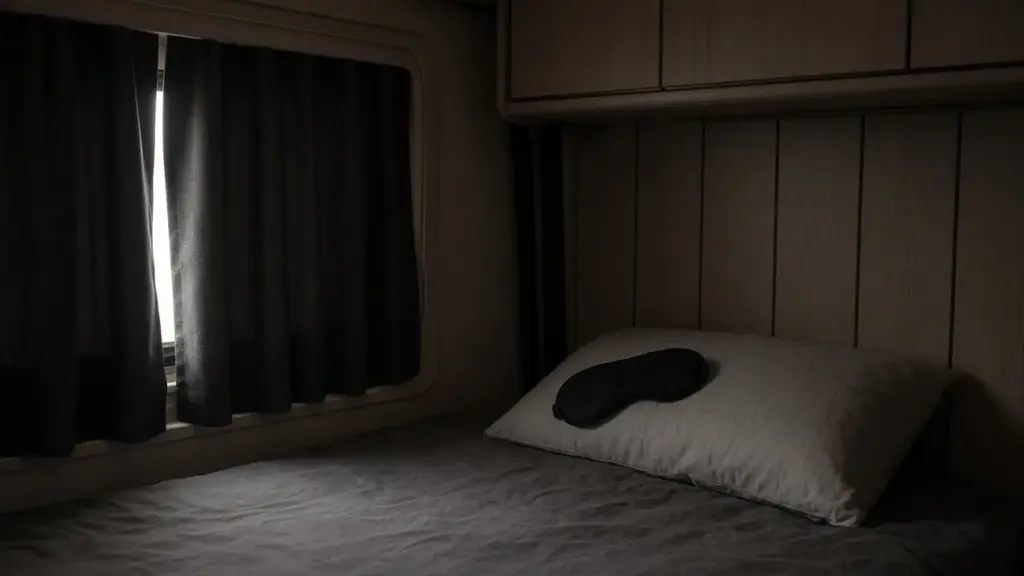
Good sleep is the foundation of doing a demanding job well. For workers living in RVs, especially those on long shifts, rotating schedules, or night work, getting quality rest can be a challenge. RVs have thin walls, lots of windows, and small spaces that heat up quickly. Neighbors keep different hours, and daylight streams in when you are trying to sleep.
Fortunately, an RV can be a great place to sleep with the right setup. This guide covers practical ways to sleep well between shifts, from blocking light and noise to managing temperature and building routines. For the bigger picture of working and living in an RV north of Houston, start with our pillar, RV Living for Workers and Contractors North of Houston.
Why Sleep Matters So Much for Workers
Fatigue affects reaction time, judgment, and mood. For people working in construction, industrial sites, healthcare, or long drives, poor sleep can be a safety issue as well as a health issue. Consistent, quality sleep helps you stay alert on the job and healthy over a long assignment.
Sleep problems also add up. A few nights of poor rest can leave you feeling drained for days. Investing in good sleep conditions in your RV pays off in energy, safety, and overall well-being.
Block Out Light
Light is one of the biggest obstacles to daytime sleep. RVs often have many windows and skylights, and standard RV shades may not block light completely.
Ways to create a darker sleeping area:
- Blackout curtains or shades. Replace or supplement factory shades with blackout options in the bedroom.
- Cover skylights and roof vents. Vent insulators and covers block light and help with temperature.
- Seal light gaps. Use curtain clips or magnetic strips to close gaps around the edges of curtains.
- Sleep mask. A comfortable mask is an inexpensive backup.
Our post on window coverings and insulation covers options that also help with heat. Note that foil on windows is not allowed at our park, so use proper coverings designed for RVs.
Reduce Noise
Sound travels easily through RV walls. Even in a quiet park, daytime activity such as vehicles, lawn care, and neighbors going about their day can disturb sleep.
Helpful strategies:
- White noise. A white noise machine, fan, or app masks sudden sounds.
- Earplugs. Foam or silicone earplugs are effective and cheap.
- Soft furnishings. Rugs, curtains, and cushions absorb some sound.
- Location in the RV. Sleep in the room farthest from the entry and road if possible.
Quiet hours at our park run from 8 pm to 8 am, which helps night-time sleepers. Day sleepers should expect some normal daytime activity, such as lawn care, which the park handles. Letting neighbors know that you work nights can also encourage extra courtesy during the day.
Control Temperature
Most people sleep best in a cool room. In Southeast Texas, keeping an RV cool during the day can be challenging, especially in summer.
Tips for a cooler sleeping space:
- Choose a covered site if possible. At our park, 8 of 10 sites are covered.
- Keep AC filters clean and have the unit serviced.
- Close shades on the sunny side before you go to bed.
- Use breathable bedding and a cooling mattress topper.
- Run a fan for air circulation and white noise.
Window AC units and space heaters are not allowed at our park, so rely on your RV’s built-in systems and good insulation. Our post on heat safety for RV residents has more on staying cool.
Invest in Your Bed
Many factory RV mattresses are thin and uncomfortable. If you will be sleeping in your RV for months, upgrading your mattress or adding a quality topper is one of the best investments you can make. Good pillows and comfortable bedding matter too.
Make sure your bed is a place for sleep. Avoid working, eating, or scrolling on your phone in bed, which can make it harder to wind down.
Build a Consistent Routine
Your body responds well to routine, even if your schedule is unusual.
- Keep a regular sleep time. Try to sleep at the same time each day, even on days off when possible.
- Wind down. Spend 20 to 30 minutes relaxing before bed: a shower, reading, or light stretching.
- Limit screens. The light from phones and TVs can make it harder to fall asleep.
- Watch caffeine. Avoid caffeine in the hours before sleep.
- Eat lightly. Heavy meals right before bed can disrupt sleep.
If you rotate between day and night shifts, adjust gradually when possible. Talk with a doctor if sleep problems persist, since shift work can affect health over time.
Plan Your Meals and Errands
Workers on long shifts have limited time for cooking, laundry, and errands. Planning ahead protects your sleep time. Batch cook on days off, keep easy meals on hand, and do laundry at times that fit your schedule. Our park’s laundry room has two washers and two dryers.
Our post on packing an RV for a three- to six-month job includes tips for setting up your RV for work life.
Parking and Arrival Routines
Coming home tired after a long shift, you want a simple routine. Knowing exactly where to park your work truck and personal vehicle saves stress. Each site at our park allows up to 2 registered, running vehicles, and parking on the grass or in empty lots is not allowed. Our post on two vehicles at one RV site explains how to handle parking.
Drive slowly through the park. The speed limit is 10 mph, and a calm arrival helps you wind down.
Pets and Sleep
Pets can disrupt sleep if they need attention while you rest. Walk and feed dogs before bed so they are ready to settle down. Keep pets comfortable inside with reliable AC, since dogs live primarily inside and are never left outside unattended at our park.
Napping and Recovery Days
Short naps can help you recover when your schedule is irregular. A nap of 20 to 30 minutes before a night shift can improve alertness without leaving you groggy. Longer naps may make it harder to sleep later, so experiment to find what works for you.
Use days off wisely. It is tempting to pack every errand into a day off, but a true rest day helps you recover from a demanding week. Balance chores with downtime, time outdoors, and activities you enjoy. The area around Magnolia offers quiet places to recharge, including W.G. Jones State Forest and Lake Conroe.
Know When to Get Help
If you consistently struggle to sleep, feel exhausted despite resting, or notice problems with concentration on the job, talk with a healthcare provider. Shift work can affect sleep and health, and a professional can help you find strategies that fit your schedule.
Frequently Asked Questions
How can I sleep during the day in an RV?
Use blackout curtains, cover skylights, run white noise, wear earplugs, and keep the RV cool.
What are quiet hours at Magnolia’s Finest?
Quiet hours are from 8 pm to 8 am.
How do I keep my RV cool for daytime sleep?
Choose a covered site, maintain your AC, close shades, and use breathable bedding and a fan.
Are space heaters allowed for cold nights?
No. Space heaters are not allowed at our park. Use your RV’s built-in furnace and good insulation.
Rest Well at Magnolia’s Finest
Magnolia’s Finest RV Park is a small, gated long-term community with quiet hours and mostly covered sites. Check availability or learn about long-term RV living in Magnolia.
Check Availability or call or text (281) 205-1959
Magnolia’s Finest RV Park · 32020 Old Hempstead Rd, Magnolia, TX 77355 · Contact us