
Work Trailers and Equipment at RV Parks: Common Rules
August 31, 2026 · By Magnolia RV Park
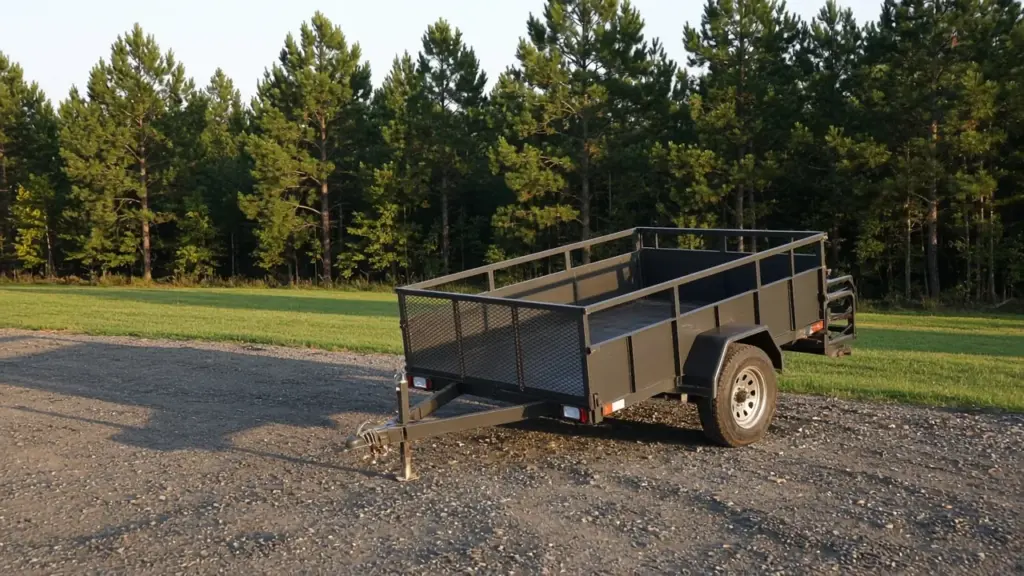
Many RV residents are tradespeople, contractors, and industrial workers who rely on trucks, trailers, tools, and equipment for their jobs. When you live at an RV park, you need to know where your work gear can go. Parks have rules about trailers, equipment storage, and vehicle use, and understanding them before you move in prevents problems later.
This guide covers common rules about work trailers and equipment at RV parks, with a focus on our park’s policies. For a broader look at worker life, see our pillar, RV Living for Workers and Contractors North of Houston.
Why Parks Have Equipment Rules
Parks set rules about trailers and equipment for several reasons:
- Appearance. Equipment and trailers can make a park look cluttered.
- Space. Sites have limited room, and extra trailers can crowd neighbors.
- Safety. Tools and equipment can create tripping hazards or attract theft.
- Lawn care. Items on the grass make maintenance difficult.
- Noise. Operating equipment can disturb neighbors.
Our Park’s Rules
At our park:
- Items cannot be stored on or under the site, including trailers, boats, storage boxes, and sheds
- Each site allows up to 2 registered, running vehicles
- Vehicles must not be driven or parked on the grass or in empty lots
- Extensive mechanic work is not allowed
- Vehicle washing is not allowed
These rules mean work trailers cannot be stored on your site, and tools should be kept inside your truck or RV.
Work Trucks
A work truck counts as one of your 2 registered, running vehicles. Park it in your designated area. If your truck carries tools, keep them secured in toolboxes or inside the cab. Lock your truck and remove valuables when possible.
Work Trailers
Since trailers cannot be stored on the site, workers with utility trailers, equipment trailers, or enclosed work trailers need another plan:
- Store the trailer at your employer’s yard or job site
- Rent space at a storage facility
- Arrange secure off-site parking
Ask your employer whether they provide equipment storage.
Tools and Equipment
Keep tools inside your truck, RV compartments, or off-site storage. Do not leave equipment on the grass, under your RV, or in empty lots.
Mechanic Work
Extensive mechanic work is not allowed at our park. That includes major repairs to work trucks, trailers, and equipment. Plan repairs at a shop.
Vehicle Washing
Vehicle washing is not allowed at our park. Use a commercial car wash for your work truck.
Noise and Equipment
Running generators, compressors, or power tools can disturb neighbors, especially during quiet hours from 8 pm to 8 am. Ask management before operating any equipment at your site.
Company-Owned Equipment
If your employer provides a truck or equipment, the same rules apply. Our post on company-paid RV sites covers other considerations when an employer is involved.
Security Considerations
Tools and equipment are valuable and attractive to thieves. Keep them locked and out of sight. A gated park adds a layer of security, but it is not a guarantee.
Couples With Two Work Vehicles
If both partners work, two work vehicles may use up your vehicle allowance. Plan carefully. Our post on working couples scheduling around two jobs discusses coordinating life with two schedules.
Why Small Parks Keep Things Tidy
Many workers choose small parks for a quiet, orderly environment. Our post on why some workers prefer small RV parks over crew camps explains the appeal. Rules about equipment help maintain that environment.
RV Requirements
In addition to equipment rules, RVs themselves must meet standards. At our park, RVs must be fully self-contained, in good condition, and 15 years old or newer. Our post on why long-term RV parks set RV age limits explains the reasoning.
Before You Move In
Before applying, make a list of your vehicles, trailers, and equipment. Ask management about anything you are unsure of. Planning ahead avoids surprises on move-in day.
Planning Your Setup
Think about how you will organize your gear so it fits within the rules. Many workers invest in a truck bed toolbox, a locking cab organizer, or an enclosed storage cap to keep tools secure and out of sight. Inside your RV, dedicated bins or compartments can hold smaller tools and safety gear. The goal is to keep everything contained and secure, rather than spread around your site.
If you regularly need bulky equipment, such as ladders, generators, or compressors, consider whether your employer can store them at the job site. Many companies provide secure yards or lockers for this purpose. Asking early can save you the cost of a storage unit.
Balancing Work and Home
Keeping your work gear organized and off your site also helps separate work from home. When you come home to a clean, uncluttered site, it is easier to relax and recharge. Many workers find that a tidy home environment improves their rest and makes long assignments more manageable.
Finding Off-Site Storage
If you need to store a trailer or large equipment, research storage options early. Storage facilities that accept trailers and vehicles are common in growing areas north of Houston. Compare security features, access hours, and costs. Some facilities offer covered or enclosed spaces, which protect equipment from sun and rain. Choose a location that fits your commute so picking up and dropping off equipment does not add too much time to your day.
Keep an inventory of what you store off-site, including serial numbers and photos. This helps with insurance claims if anything is lost or stolen. Check with your insurance provider about coverage for tools and equipment, since standard RV or auto policies may not fully cover work gear.
Loading and Unloading
Loading and unloading tools at your site is part of daily life for many workers. Do it efficiently and quietly, especially early in the morning or late in the evening when neighbors may be sleeping. Avoid slamming toolbox lids or truck doors during quiet hours. Keep loading areas clear and never leave tools lying on the ground, even briefly.
Respecting Shared Spaces
Keep work gear out of shared areas like the laundry room and walkways. Remove heavy dirt, grease, or chemicals from work clothes before washing, and clean up after yourself so the laundry room stays pleasant for everyone.
Asking Before You Assume
Every park has its own approach to work vehicles and equipment. If you have an unusual vehicle, such as an oversized truck, a vehicle with ladder racks, or a truck with company signage, ask management before moving in. A quick conversation now prevents misunderstandings later and helps you plan where everything will go.
Frequently Asked Questions
Can I store a work trailer on my site?
No. Trailers cannot be stored on the site at our park.
Does a work truck count toward my vehicle limit?
Yes. Each site allows up to 2 registered, running vehicles.
Can I repair my work truck at the park?
No. Extensive mechanic work is not allowed. Plan repairs at a shop.
Where should I keep my tools?
Inside your truck, RV compartments, or off-site storage, not on or under the site.
Find a Tidy Home Base in Magnolia
Learn about long-term RV living in Magnolia or check availability.
Check Availability or call or text (281) 205-1959
Magnolia’s Finest RV Park · 32020 Old Hempstead Rd, Magnolia, TX 77355 · Contact us