
Window and Door Seal Maintenance for RVs
February 4, 2026 · By Magnolia RV Park
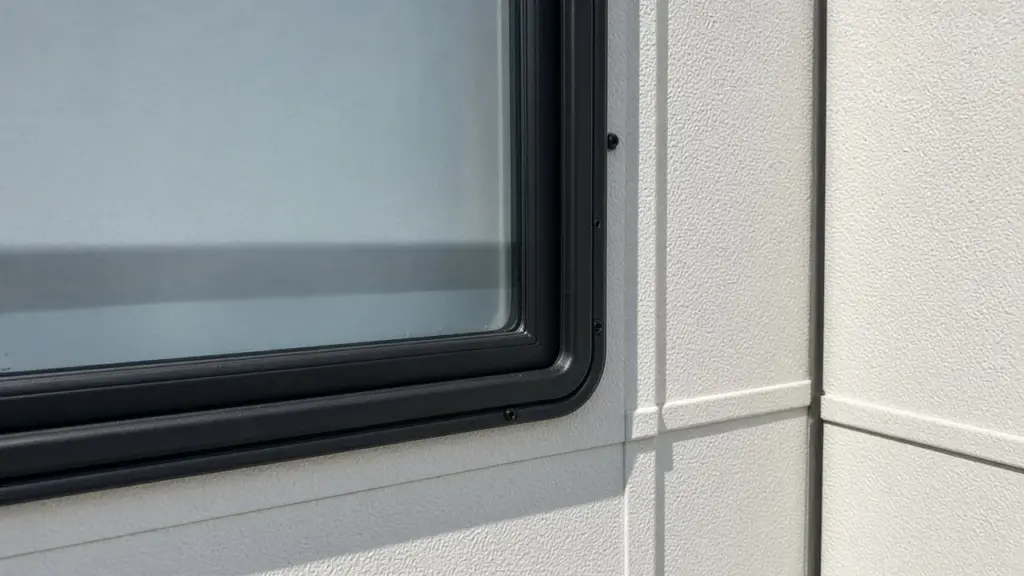
Window and door seals do quiet but essential work on an RV. They keep rain out, hold cool air in during Texas summers, block drafts in winter, and keep insects and dust from finding their way inside. When seals dry out, crack, or shrink, small leaks can start that go unnoticed for months, causing hidden water damage, mold, and soft walls. For full-time residents, regular seal care is one of the best investments of time you can make.
This guide explains how to inspect, clean, and maintain RV window and door seals for long-term living. For a complete maintenance plan, see our pillar on RV maintenance for full-time residents.
Why Seals Matter More on a Long Stay
When you travel, you might notice a leak quickly because you are moving the RV, packing, and inspecting it often. When you stay put for months, it is easy to forget about seals until a problem appears. Meanwhile, the RV sits in the same sun and weather every day, and seals on the sunny side can age faster.
Seals affect:
- Water intrusion during storms
- Energy efficiency, keeping AC and heat working effectively
- Humidity control, since leaks add moisture
- Pest control, keeping bugs out
- Noise, since good seals reduce outside sound
Types of Seals on an RV
Most RVs have several types of seals around windows and doors:
- Rubber gaskets around window glass
- Weatherstripping on the entry door and compartment doors
- Exterior sealant or caulk where window frames meet the RV wall
- Screen door seals
- Compartment door seals on basement storage bays
Each type ages differently and needs slightly different care.
How Often to Inspect
For full-time residents, a good routine is:
- Monthly: A quick visual check of door weatherstripping and window gaskets
- Seasonally: A close inspection of exterior sealant around every window and door
- After storms: A check for new leaks, water spots, or damp areas
- After extreme heat or cold: A look for cracking or shrinkage
What to Look For
During inspections, watch for:
- Cracks, gaps, or brittle areas in rubber gaskets
- Weatherstripping that is flattened, torn, or pulling away
- Sealant that is cracked, peeling, or separated from the wall
- Daylight visible around a closed door
- Drafts you can feel with your hand
- Water stains below windows or around doors
- Soft spots in walls near window corners
- Musty smells near windows
Pay special attention to the bottom corners of windows, where water tends to collect.
Cleaning Seals
Dirt, pollen, and grime wear seals down faster. Clean seals gently:
- Use mild soap and warm water with a soft cloth
- Avoid harsh chemicals and petroleum-based cleaners, which can damage rubber
- Rinse and dry thoroughly
- Clean window tracks so dirt does not grind against seals
Southeast Texas pollen seasons can leave a heavy film on everything, so spring cleaning is especially important.
Conditioning Rubber Seals
Rubber seals benefit from a conditioner made for RV or automotive rubber. Conditioning:
- Keeps rubber flexible
- Helps prevent cracking and shrinking
- Reduces sticking in hot weather
Apply conditioner according to the product instructions, usually a few times a year. Avoid products that leave a greasy film that attracts dirt.
Replacing Weatherstripping
If door weatherstripping is flattened or torn, replace it. Many RV weatherstripping products are designed to press or slide into place. Measure carefully, remove the old strip, clean the channel, and install the new strip without stretching it. A properly sealed entry door makes a noticeable difference in comfort and energy use.
Resealing Window Frames
Exterior sealant around window frames eventually breaks down. When sealant cracks or separates:
- Remove loose or failing sealant carefully
- Clean the area thoroughly
- Apply a sealant compatible with your RV’s materials
- Smooth the bead for a watertight finish
If you are not comfortable resealing, a qualified RV technician can do it. Using the wrong sealant can cause more problems, so check your owner’s manual or ask a professional.
Window Condensation vs. Leaks
Water on the inside of windows is not always a leak. Condensation forms when warm, humid inside air meets cold glass. Our post on humidity and mold prevention in a Gulf Coast RV explains how to control indoor moisture. A leak usually shows up as water at the frame, stains below the window, or damp wall material.
Slide-Out Seals
Slide-outs have their own seals that deserve regular care. Our post on slide-out maintenance covers seals, lubrication, and alignment in detail.
Leveling and Seal Performance
An RV that is not level can twist its frame slightly, causing doors to stick and seals to press unevenly. Proper leveling helps doors and windows close correctly. Our post on leveling jacks and stabilizers on concrete pads explains how to set up properly.
Seals and Air Conditioning
Leaky seals let cool air escape and hot, humid air in, making your AC work harder. Combined with dirty filters, this can lead to poor cooling and higher energy use. Our post on RV air conditioner filter and coil cleaning pairs well with seal maintenance for summer comfort.
Window Coverings and Park Rules
Residents often add window coverings for privacy and heat control. At Magnolia’s Finest, foil on windows is not allowed. Use approved shades, curtains, or reflective shades designed for RVs. Window AC units are also not allowed, so keeping your RV’s built-in system efficient with good seals is important.
Covered Sites Help Seals Last
Sun is hard on rubber and sealant. Covered sites reduce UV exposure and help seals last longer. At our park, 8 of the 10 sites are covered, and all are on cement pads.
Compartment Door Seals
Basement compartment seals are easy to forget. Leaks there can damage stored items and allow pests in. Check compartment seals during your seasonal inspection, and make sure latches close tightly.
Storm Preparation
Before storm season, inspect every window and door seal. Hurricane season runs from June 1 through November 30. Fix gaps and failing sealant before storms arrive. After storms, check for new leaks.
Keeping Records
Note the dates of inspections, cleaning, conditioning, and resealing in a maintenance log. Records help you track when work is due and are useful if you sell the RV.
When to Call a Technician
Call a qualified RV technician if you find:
- Soft walls or floors near windows or doors
- Persistent leaks after resealing
- Delamination, where exterior wall layers separate
- Doors that will not close or latch properly
Hidden water damage can spread, so early professional help can save money.
Frequently Asked Questions
How often should I check my RV’s window seals?
Do a quick visual check monthly and a thorough inspection seasonally, plus after major storms.
Can I put foil on my windows to block heat at Magnolia’s Finest?
No. Foil on windows is not allowed. Use approved shades or curtains designed for RVs.
Is water on the inside of my window a leak?
It may be condensation. Check for water at the frame or stains below the window to identify a leak.
Do covered sites help seals last longer?
Yes. Cover reduces sun exposure on rubber and sealant. Eight of our 10 sites are covered.
A Well-Kept Home in Magnolia
Magnolia’s Finest RV Park offers covered cement-pad sites in a small, gated long-term community. Explore our amenities, review the park rules, or check availability.
Check Availability or call or text (281) 205-1959
Magnolia’s Finest RV Park · 32020 Old Hempstead Rd, Magnolia, TX 77355 · Contact us