
Slide-Out Maintenance: Seals, Lubrication, and Alignment
January 12, 2026 · By Magnolia RV Park
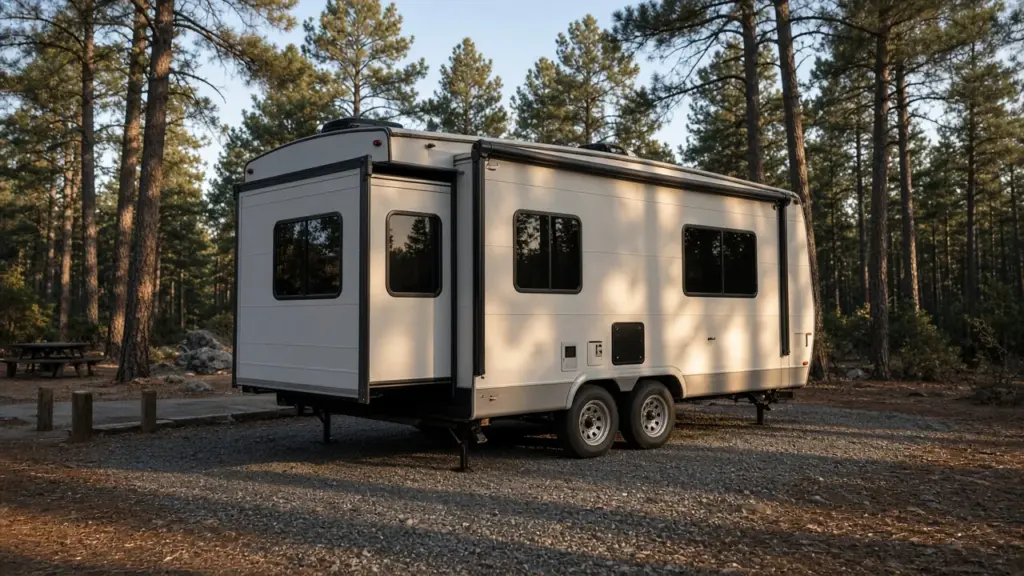
Slide-outs make RV living much more comfortable by adding floor space when parked. For full-time residents, slides may stay extended for months at a time. That long-term exposure to sun, rain, and heat can wear seals and mechanisms, leading to leaks, drafts, and operating problems.
This guide explains how full-time RVers can maintain slide-outs, from seals to lubrication and alignment. It is general information. Follow your RV and slide system manufacturer’s instructions, and consult a qualified technician for repairs. For a full maintenance calendar, see our pillar on RV maintenance for full-time residents.
Know Your Slide System
RV slide-outs use different mechanisms:
- Hydraulic systems, often found on larger fifth wheels and motorhomes
- Electric rack-and-pinion or cable systems, common on many travel trailers and fifth wheels
- Schwintek-style or in-wall systems, which use motors inside the walls
Each system has its own maintenance requirements. Check your owner’s manual for the specifics of your RV.
Why Slides Need Attention on Long Stays
When slides stay out for months:
- Seals are exposed to sun, heat, and weather
- Slide roofs collect leaves, debris, and standing water
- Mechanisms may sit unused and can stiffen
- Weight on the slide floor can affect alignment over time
Regular care prevents small issues from becoming expensive repairs.
Inspecting Slide Seals
Slide-outs have seals around the opening, often called wipe seals and bulb seals. Inspect them regularly:
- Look for cracks, tears, flattening, or gaps
- Check corners, where leaks often start
- Look for light or feel for drafts from inside
- Watch for water stains near the slide
Cleaning and Treating Seals
Keep seals clean and conditioned:
- Clean seals with mild soap and water
- Rinse and let them dry
- Apply a seal conditioner or protectant recommended by the manufacturer
- Avoid petroleum-based products that can damage rubber
Conditioning helps seals stay flexible, especially in Texas heat and sun. Many owners treat seals several times a year.
Keeping the Slide Roof Clear
Debris on slide roofs can damage seals when the slide retracts and can hold water. Periodically:
- Check the slide roof for leaves, branches, and debris
- Clear debris safely, using a soft broom or brush from a sturdy ladder
- Consider a slide topper if appropriate, noting that park rules may affect covers
At our park, tarps and covers are not permitted on RVs, so ask management before adding any slide topper or cover. Covered sites, like eight of our ten sites, can reduce debris and sun exposure.
Lubrication
Many slide mechanisms need periodic lubrication. Depending on your system:
- Some use dry lubricants on gears and tracks
- Some require specific lubricants on rails or rollers
- Some in-wall systems should not be lubricated in certain areas
Use only lubricants recommended by the manufacturer. The wrong product can attract dirt or damage components.
Operating Slides Periodically
When slides stay out for months, some owners retract and extend them periodically to keep mechanisms moving, following manufacturer guidance. Before retracting:
- Clear the slide roof
- Remove items from the slide floor path
- Check that nothing inside blocks the slide
Retracting slides also lets you inspect seals that are hidden when extended.
Checking Alignment
Signs of alignment problems include:
- Slides moving unevenly or at an angle
- Gaps on one side of the seal
- Unusual noises during operation
- Slides stopping partway
Do not force a slide that is not moving properly. Contact a qualified technician.
Electrical and Hydraulic Considerations
- Electric slides depend on healthy batteries; weak batteries can cause slow or failed operation. Our post on RV battery care when plugged in long-term explains battery maintenance.
- Hydraulic slides depend on proper fluid levels and leak-free lines. Check fluid according to manufacturer guidance and watch for leaks.
Slides and Storms
During severe weather, some owners retract slides to reduce wind exposure and protect seals. Follow manufacturer guidance and official weather advice.
Slides and Roof Care
Slide roofs are part of your overall roof care. When inspecting the main roof, look at slide roofs too. Our guide to resealing RV roof seams and edges explains sealant care that also applies to slide edges.
Interior Considerations
Heavy furniture and appliances on slide floors add weight. Avoid overloading slides beyond manufacturer limits. Keep items off the slide floor edges so they do not catch when retracting. If your refrigerator is in a slide, our post on RV refrigerator care covers related maintenance.
Repairs at a Long-Term Park
Slide maintenance is routine RV care, but major repairs may require a technician or shop. At our park, extensive mechanic work is not permitted. Our park rules cover what is allowed. Keep work areas tidy and do not leave parts or tools on the site.
Budgeting for Slide Repairs
Slide repairs can be costly. Regular maintenance reduces the risk, and a repair fund helps when problems arise. Our post on banking and digital payments for RV residents offers ideas for organizing money for recurring and unexpected costs.
A Slide Maintenance Routine
- Monthly: inspect seals and slide roofs
- Seasonally: clean and condition seals; lubricate as recommended
- Periodically: retract and extend to exercise mechanisms, following manufacturer guidance
- As needed: call a technician for alignment or operation problems
Watching for Pests
Gaps around slide seals can let in insects and small pests, especially in warm, humid climates. Inspect seals for gaps where light shows through, and address damaged seals promptly. Keep food sealed and crumbs cleaned up near slide areas. If you notice signs of pests, check seals first, since they are a common entry point. Well-maintained seals keep out both water and unwanted visitors.
Slide Care in Texas Heat
Southeast Texas sun and heat are especially hard on rubber seals. UV exposure dries seals out, causing cracking and shrinking. Humidity and frequent summer storms then test any gaps. In hot months, inspect seals more often, and condition them on the schedule your manufacturer recommends. Keeping interior blinds closed on sunny sides reduces heat on slide walls, and a covered site reduces direct sun on slide roofs and seals. Pay attention after big storms, when debris and heavy rain can reveal weak spots. A few minutes of attention each month in summer can prevent leaks that damage floors and walls.
Keep Slide Paths Clear Outside
Before retracting or extending a slide, walk around the outside of the RV. Make sure nothing blocks the slide’s path, such as a hose, cord, or vehicle parked too close. Checking both inside and outside prevents damage to the slide and to anything nearby.
Frequently Asked Questions
How often should I treat RV slide seals?
Many owners clean and condition seals several times a year, especially in hot, sunny climates.
Should I retract my slides periodically during a long stay?
Some owners do to exercise mechanisms and inspect seals. Follow manufacturer guidance and clear the slide roof first.
What lubricant should I use on my slide?
Only the lubricant recommended by your slide system manufacturer. Some systems should not be lubricated in certain areas.
What if my slide moves unevenly?
Stop operating it and contact a qualified technician. Do not force a slide.
Comfortable Long-Term Living
Magnolia’s Finest is a small, gated long-term park in Magnolia, TX, with covered sites and cement pads. Explore our amenities to learn more.
Check Availability or call or text (281) 205-1959
Magnolia’s Finest RV Park · 32020 Old Hempstead Rd, Magnolia, TX 77355 · Contact us