
Barking and Quiet Hours: Training Tips for RV Dogs
January 15, 2026 · By Magnolia RV Park
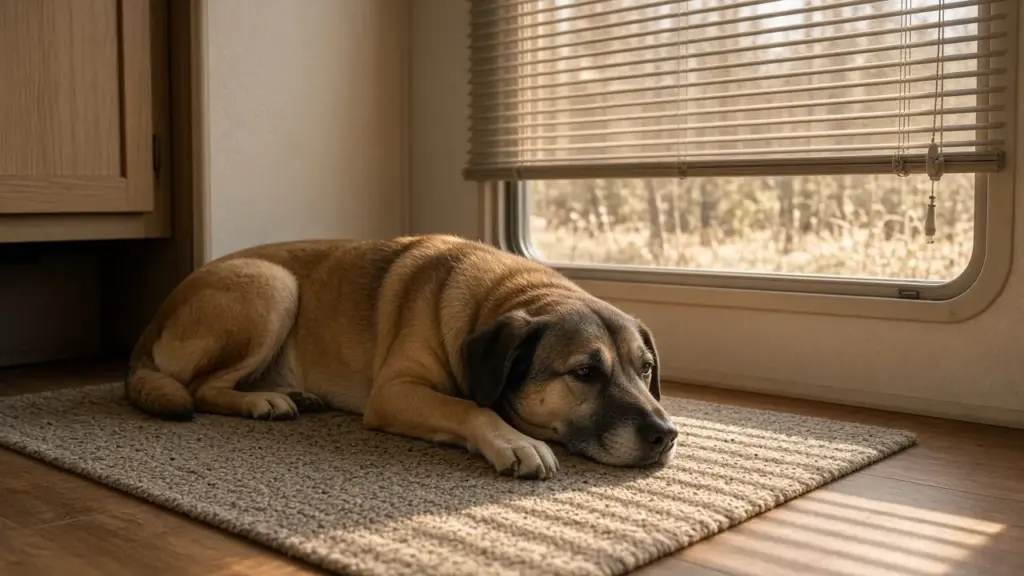
Barking is one of the most common sources of friction in RV parks. Homes sit close together, walls are thin, and sound carries, especially on quiet evenings. A dog that barks at every passerby can quickly strain relationships with neighbors. Fortunately, most barking can be reduced with understanding, management, and consistent training.
This guide shares practical tips for reducing barking at an RV park and respecting quiet hours. For a broader guide to pets in RVs, see our pillar on long-term RV living with dogs and cats.
Why Barking Matters in an RV Park
In a house with a yard, occasional barking may go unnoticed. In an RV park:
- Neighbors are close by
- Sound travels through thin walls and open windows
- Many residents work early shifts and go to bed early
- Barking can continue while owners are away, unnoticed by them
At our park, quiet hours run from 8 p.m. to 8 a.m., but courtesy about noise applies all day.
Understand Why Your Dog Barks
Dogs bark for different reasons:
- Alert barking at people, vehicles, or animals passing by
- Boredom from too little exercise or stimulation
- Anxiety, including separation anxiety when left alone
- Excitement, such as when you arrive home
- Fear of unfamiliar sounds, like thunder
Identifying the cause helps you choose the right approach.
Exercise First
A tired dog barks less. Make sure your dog gets enough physical and mental exercise:
- Leashed walks several times a day
- Longer outings on weekends to parks and trails, following their rules
- Puzzle feeders and snuffle mats
- Short training sessions
At our park, dogs must be leashed whenever outside and may never be left outside unattended.
Manage Windows and Views
Many RV dogs bark at movement outside. Reduce triggers by:
- Closing blinds during busy times
- Blocking low windows with furniture or frosted film where allowed
- Giving your dog a resting spot away from windows and the door
Note that foil on windows is not permitted at our park, so use blinds or approved window treatments.
Teach a “Quiet” Cue
A “quiet” cue can help:
- When your dog barks once or twice, calmly say “quiet”
- Wait for a pause in barking
- Immediately reward with a treat and praise
- Gradually increase the length of quiet before rewarding
Practice when distractions are low, then gradually work up to real-life triggers. Avoid yelling, which dogs may interpret as joining in.
Reward Calm Behavior
Catch your dog being calm. When your dog sees a person walk by and stays quiet, reward it. Over time, your dog learns that calm behavior earns good things.
Background Noise
A fan, white noise machine, or soft music can mask outside sounds that trigger barking, especially when you are away or at night.
Separation Anxiety
If your dog barks when left alone, it may be experiencing separation anxiety. Signs include barking, howling, pacing, or destructive behavior when you leave. Approaches include:
- Gradual practice with short departures
- Leaving a special toy or puzzle only when you go
- Keeping departures and arrivals calm
- Consulting a veterinarian or certified trainer for persistent anxiety
Monitor While You Are Away
You may not know your dog barks while you are gone. A pet camera can show you what happens. Combining a camera with a temperature monitor also protects your dog’s safety. Our post on temperature monitoring for pets inside an RV explains how monitors work.
Storms and Fearful Barking
Thunderstorms are common in Southeast Texas. Fearful dogs may bark or howl. Offer a safe den, such as a covered crate, and use calming techniques recommended by your veterinarian.
When Neighbors Raise Concerns
If a neighbor mentions barking, thank them and take it seriously. Ask when it happens, especially if you are away. Then address the cause. Most neighbors appreciate responsiveness.
Breed Considerations and Park Rules
Some breeds are more vocal than others. At our park, up to two pets are allowed, and aggressive breeds are not. Our post on why RV parks restrict aggressive breeds explains breed policies.
Cats and Noise
Cats can be noisy too, especially at night. Our post on cats in an RV offers tips for keeping cats content and quiet.
Winter and Seasonal Changes
Seasonal changes can affect your dog’s behavior. Shorter days mean more time indoors, and cold snaps may limit walks. Keep up exercise and enrichment. Our post on heated hoses and skirting covers winter RV prep, and planning ahead for cold weather helps keep routines steady.
Building a Quiet Routine
- Morning walk and breakfast in a puzzle feeder
- Blinds closed during busy hours
- Background noise when you leave
- Evening walk before quiet hours
- A calm bedtime routine
Working With a Professional Trainer
If barking continues despite your efforts, a professional trainer can help. Look for trainers who use positive, reward-based methods. A trainer can observe your dog’s behavior in context, identify triggers you may have missed, and create a plan tailored to your dog and your RV setup. Some trainers offer virtual sessions, which can be convenient for RV residents. Investing in training early often prevents long-term problems and protects your relationship with neighbors.
Arriving Home Without the Excitement Bark
Many dogs bark loudly when their owners come home. To reduce this, keep arrivals low-key. Walk in calmly, ignore excited barking, and greet your dog only when it is quiet. Taking your dog straight out for a short, calm walk can also help release energy. Over time, your dog learns that calm behavior brings attention, and arrival barking fades.
Barking at Other Dogs on Walks
Some dogs bark at other dogs they see on walks. Increase distance when you see another dog, reward your dog for looking at you instead, and practice in low-distraction settings. Keep your dog on a short leash in shared areas. With patience, many dogs learn to walk past others calmly. If your dog reacts strongly, a professional trainer can help.
Consistency Is Everything
Everyone in your household should use the same cues and rewards. Mixed signals confuse dogs and slow progress. Agree on words, rewards, and routines, and stick with them. Most dogs improve noticeably within a few weeks of consistent practice.
Mealtime and Treat Barking
Some dogs bark for food or treats. Avoid rewarding demand barking by waiting for quiet before feeding or giving treats. Feeding at consistent times also reduces anticipation barking. A dog that learns quiet behavior brings dinner will quickly adjust.
Frequently Asked Questions
How can I stop my dog from barking in the RV?
Identify triggers, increase exercise, manage window views, teach a “quiet” cue, and reward calm behavior.
What are quiet hours at Magnolia’s Finest?
Quiet hours run from 8 p.m. to 8 a.m.
How do I know if my dog barks while I am away?
Use a pet camera or ask neighbors. Combine it with a temperature monitor for safety.
What if my dog has separation anxiety?
Practice gradual departures, keep arrivals calm, provide enrichment, and consult a veterinarian or certified trainer.
A Pet-Friendly Community
Magnolia’s Finest welcomes friendly pets within clear rules in a small gated park in Magnolia, TX. Review our park rules and FAQ page.
Check Availability or call or text (281) 205-1959
Magnolia’s Finest RV Park · 32020 Old Hempstead Rd, Magnolia, TX 77355 · Contact us