
Winter Freezes in Southeast Texas: Protecting RV Plumbing
January 1, 2026 · By Magnolia RV Park
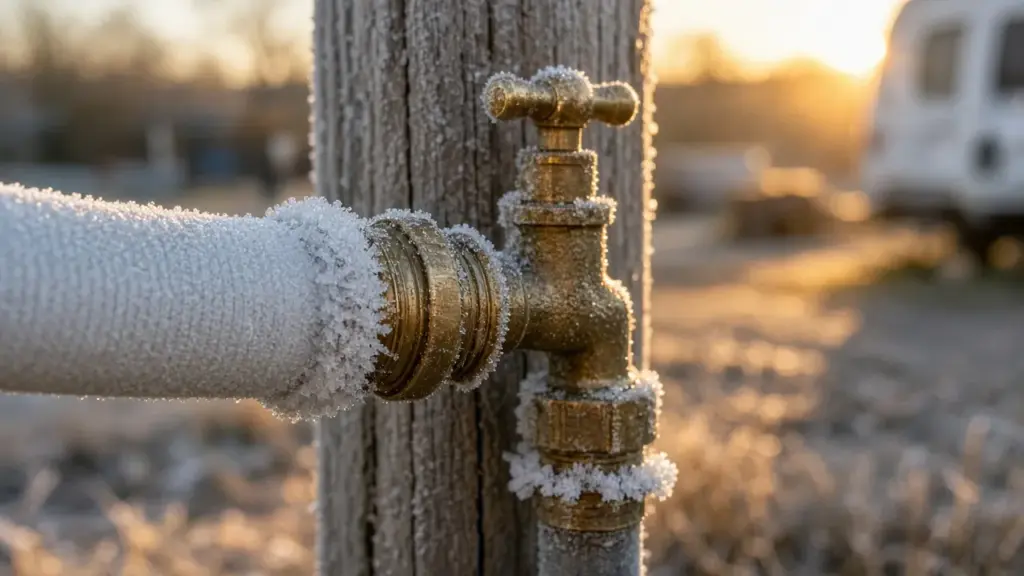
Southeast Texas is known for heat, but winter freezes do happen. Most winters bring only a few cold nights, but occasional hard freezes can drop temperatures well below freezing for extended periods. Because freezes are infrequent, many residents are caught off guard. For RV residents, frozen water lines, hoses, and tanks can cause expensive damage.
This guide explains how RV residents in Southeast Texas can prepare for winter freezes and protect their plumbing. It is general information. Follow your RV manufacturer’s guidance and consult a qualified technician for specific questions. For weather across the year, see our pillar on Texas weather and your RV.
Why RV Plumbing Is Vulnerable
RVs have more exposed plumbing than typical houses:
- Exterior hoses connecting to park spigots
- Water lines running through exterior walls and underbellies
- Holding tanks that may be exposed or only partly insulated
- Low-point drains and valves under the RV
- Water heaters and pumps in exterior compartments
When water freezes, it expands, which can crack hoses, fittings, pipes, and tanks.
Watch the Forecast
Because freezes are occasional, staying informed is key. Watch forecasts during winter months, and pay attention to:
- Freeze warnings and hard freeze warnings
- How long temperatures will stay below freezing
- Wind chill, which can speed heat loss from RVs
A brief dip below freezing overnight is different from multiple days of sub-freezing temperatures. Plan your response accordingly.
Protecting Your Fresh Water Hose
The hose between the spigot and your RV is usually the first thing to freeze. Options include:
- Disconnect and drain the hose before a freeze, and use your fresh water tank temporarily
- Use a heated RV water hose designed for freezing temperatures, following manufacturer instructions
- Insulate the spigot and connections as allowed by park rules
If you disconnect, store the hose inside or in a warm compartment so it does not crack. Our post on drinking water hoses and filters for RVs covers hose care in more detail.
Using Your Fresh Water Tank
During a hard freeze, many RVers fill their fresh water tank, disconnect from the spigot, and use the water pump. Interior tanks are often better protected than exterior hoses. Fill the tank before temperatures drop, and conserve water until conditions improve.
Protecting Holding Tanks
Gray and black tanks can freeze in severe cold. To reduce risk:
- Keep tank valves closed and dump only when tanks are reasonably full, so liquid levels help resist freezing
- Use tank heaters if your RV has them
- Disconnect and drain the sewer hose so water does not freeze inside it
Follow manufacturer guidance for any tank treatments. Our park uses a septic system, so use septic-safe products only.
Keeping the Interior Warm
Keeping the inside of your RV warm helps protect interior plumbing:
- Use your RV’s built-in furnace or heat pump as designed
- Open cabinet doors under sinks so warm air reaches pipes
- Close window shades at night to hold heat
- Keep doors closed as much as possible
At our park, space heaters are not permitted, so rely on your RV’s built-in heating system. Make sure it works before winter.
Underbelly and Compartments
Many RVs have enclosed underbellies with heating ducts. Others have exposed plumbing. Know your RV:
- Check that underbelly heating ducts are working, if equipped
- Keep exterior compartments closed
- Consider insulating exposed lines according to manufacturer guidance
Skirting is often restricted at long-term parks. At our park, items on or under the site are not allowed, and tarps and covers are not permitted on RVs, so ask management before adding anything outside the RV.
Propane and Power Planning
Freezes can strain the electrical grid and sometimes cause outages. Prepare by:
- Filling propane before a freeze if your furnace uses it
- Charging phones and power banks
- Keeping batteries healthy; our post on RV battery care when plugged in long-term explains why batteries matter during outages
- Having blankets and warm clothing ready
If the power goes out during a freeze, consider how you would stay warm and whether you have somewhere else to go.
The Water Heater
If your water heater is off during a freeze and water inside it freezes, damage can result. Keep it operating if you are using water, or drain it according to manufacturer instructions if you will be away or have disconnected water. Our post on RV water heater maintenance explains draining safely.
If You Will Be Away During a Freeze
If you travel during winter:
- Drain hoses and disconnect from the spigot
- Consider winterizing according to manufacturer instructions if you will be gone during a hard freeze
- Keep the interior at a safe temperature if you remain connected to power
- Let management know you will be away
Pets During Freezes
Pets need warmth too. Keep them inside, provide warm bedding, and make sure their water does not freeze. Never leave pets outside unattended, which is prohibited at our park anyway.
After a Freeze
When temperatures rise:
- Reconnect hoses only after checking for cracks.
- Turn water on slowly and inspect for leaks inside and under the RV.
- Check the water heater and pump for leaks.
- Look for water stains or dampness.
- Report park utility problems to management; our Residents page includes a maintenance request form.
Planning for Emergencies
Hard freezes can be emergencies, especially if combined with power outages. Keep an emergency kit ready and a plan for where to go if your RV becomes too cold. Our post on making an RV hurricane plan explains how to build contact lists and document kits that also help in winter emergencies.
Being Ready Before the First Cold Front
The best time to prepare for a freeze is in the fall, before the first cold front arrives. Test your furnace, check propane levels, inspect heat tape or heated hoses if you have them, and gather blankets and warm clothing. Buy any supplies you might need, such as foam faucet covers or insulation for exposed lines, while stores still have them in stock. When a freeze warning is issued, stores often sell out of these items quickly. Having everything ready ahead of time lets you respond calmly when cold weather arrives.
Conserving Water During a Freeze
If you disconnect from the spigot and rely on your fresh water tank, conserving water helps it last until temperatures rise. Take shorter showers, use paper plates for a day or two, and fill a few jugs of drinking water before the freeze in case your tank or lines have problems.
Frequently Asked Questions
Does Southeast Texas get cold enough to freeze RV pipes?
Yes. Freezes are occasional, but hard freezes can damage hoses, pipes, and tanks.
Should I disconnect my water hose during a freeze?
Many RVers disconnect and drain the hose and use the fresh water tank, or use a heated RV hose.
Can I use a space heater in my RV at Magnolia’s Finest?
No. Space heaters are not permitted. Use your RV’s built-in heating system.
What should I check after a freeze?
Inspect hoses, turn water on slowly, check for leaks inside and under the RV, and check the water heater and pump.
Prepared Living Year-Round
Magnolia’s Finest is a small, gated long-term park in Magnolia, TX, with covered sites and cement pads. Our FAQ page and amenities share more about living here.
Check Availability or call or text (281) 205-1959
Magnolia’s Finest RV Park · 32020 Old Hempstead Rd, Magnolia, TX 77355 · Contact us