
Electric Metering at RV Parks: Questions to Ask
June 12, 2026 · By Magnolia RV Park
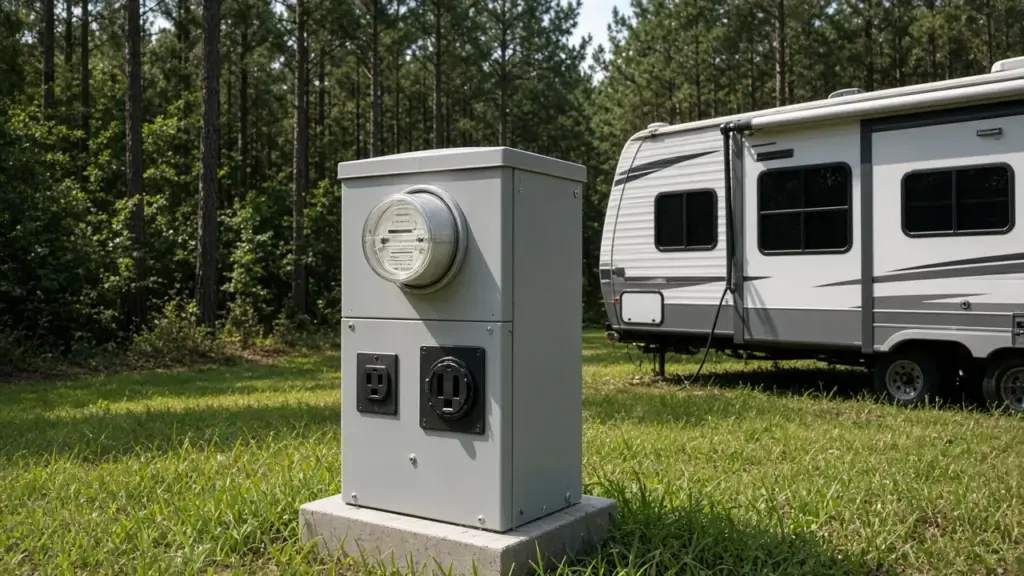
Electricity is one of the biggest utility costs for full-time RV residents, especially in Southeast Texas, where air conditioners run for much of the year. Long-term RV parks handle electric service in different ways. Some include electricity in rent, some meter each site and bill separately, and some use other arrangements. Understanding how electric service works before you move in helps you budget accurately and avoid surprises.
This guide explains common electric metering approaches at RV parks and the questions to ask. For a broader look at RV utilities, start with our pillar, RV Hookups Explained: Electric, Water, and Sewer for Long Stays.
Why Electric Arrangements Vary
RV parks differ in size, age, infrastructure, and business model. Short-term campgrounds often include electricity in the nightly rate. Long-term parks, where residents stay for months, may prefer to meter usage so residents pay for what they use. Metering can encourage conservation and keep costs fair between residents with very different usage.
Every park sets its own approach. At Magnolia’s Finest, utilities and electric service are confirmed per site, so ask us about the specific site you are considering. Call or text (281) 205-1959; text is preferred.
Common Electric Arrangements
Included in Rent
Some parks include electricity in the monthly rate. This makes budgeting simple, since your cost is predictable. Parks that include electricity may set usage expectations or limits.
Metered Per Site
Many long-term parks install meters at each site’s pedestal. Residents are billed for their actual usage, often monthly. The rate may be based on what the park pays the utility, plus any applicable charges.
Flat Fee or Hybrid
Some parks charge a flat monthly electric fee, or a base amount with additional charges for high usage.
Each approach has pros and cons. What matters most is understanding the arrangement clearly before you commit.
Questions to Ask About Electric Service
Before signing up for a monthly site, ask:
- Is electricity included in rent, metered, or billed another way?
- If metered, how is usage read and billed? Monthly? Who reads the meter?
- What rate is charged per kilowatt-hour, and can it change?
- Are there additional fees related to electric service?
- What electrical service is available at the site? Confirm the service matches your RV’s needs.
- How are outages or pedestal problems handled?
- What happens with the electric bill when I move out?
Getting clear answers helps you compare parks fairly. Our post on questions to ask before signing up for a monthly site includes other important questions.
Understanding Your Usage
If you are metered, it helps to understand what uses the most electricity in your RV:
- Air conditioning is usually the largest user in Southeast Texas.
- Electric water heaters can use significant power.
- Heat pumps and electric heat add to winter usage.
- Refrigerators running on electric use power continuously.
- Cooking appliances like microwaves, air fryers, and induction cooktops draw a lot of power while running.
Our post on electric heat vs. propane furnace explains how heating choices affect electric use. Some residents use propane for certain appliances to reduce electric usage; our post on propane tank safety and leak checks covers safe propane use.
Reducing Electric Costs
Whether you are metered or not, using electricity efficiently makes sense:
- Choose a covered site if available to reduce AC load. At our park, 8 of 10 sites are covered.
- Use reflective shades and insulated window coverings.
- Keep AC filters clean.
- Set the thermostat at a reasonable temperature.
- Use energy-efficient LED lighting.
- Turn off appliances and electronics when not in use.
- Cook during cooler hours or use low-heat appliances.
Electrical Safety
Safe electrical practices protect you and your neighbors:
- Never run cords from other sites. This is not allowed at our park.
- Do not tamper with hookups or pedestals.
- Use a surge protector to protect your RV from power surges.
- Avoid running too many high-draw appliances at once.
- Report pedestal problems to management rather than fixing them yourself.
Space heaters and window AC units are not allowed at our park. These rules help prevent overloaded circuits and fire risks.
Surge Protection
Power surges can happen during storms or due to electrical problems. A quality surge protector, either portable or hardwired, helps protect your RV’s electrical system and appliances. Some models also monitor voltage and shut off power if problems are detected. For full-time residents, a surge protector is a worthwhile investment.
Budgeting for Electricity
Electric costs vary with the season. Summer usually brings the highest bills due to air conditioning. Winter costs depend on whether you use electric heat or propane. When budgeting, plan for seasonal highs rather than averages, so you are not surprised by a large summer bill.
Tracking your usage over several months helps you understand your patterns and budget more accurately.
Related Utility Topics
Electric service is just one part of your utilities. Water and sewer also matter. Our post on keeping black tank odors under control covers one sewer-related topic.
Reading a Meter
If your site is metered, it helps to know how to read the meter yourself. Many meters display total kilowatt-hours used. By writing down the reading on the same day each month, you can track your usage and compare it with your bill. Tracking also helps you notice unusual spikes, which could signal a problem such as an AC unit running constantly or an appliance malfunctioning.
If your usage seems higher than expected, look at what changed. A heat wave, a new appliance, guests staying with you, or a failing AC seal can all increase usage. Addressing the cause can bring costs back down.
When Something Seems Wrong
If you believe there is a problem with your meter, pedestal, or bill, contact management calmly and share your readings and observations. Do not open or adjust the meter or pedestal yourself. Management can check the equipment and explain how charges were calculated. Clear communication usually resolves questions quickly.
Comparing Parks Fairly
When comparing parks, look at the total monthly cost, not just rent. A park with lower rent and metered electricity may cost more in summer than a park with higher rent that includes utilities, or the reverse. Estimate your likely electric use based on your RV, habits, and the season, and use that to compare options. Ask each park the same questions so you have consistent information.
Electric Service and Your RV’s Needs
Make sure your RV’s electrical needs match what the site provides. If there is a mismatch, adapters may be used in some situations, but they have limits. Ask the park and a qualified technician if you are unsure. Running more than your service can handle can trip breakers and damage equipment.
Frequently Asked Questions
Is electricity included at Magnolia’s Finest?
Utilities and electric service are confirmed per site. Call or text (281) 205-1959 to ask about a specific site.
What uses the most electricity in an RV?
Air conditioning is usually the largest user in Southeast Texas, followed by electric water heaters, electric heat, and cooking appliances.
Can I run a cord from a neighbor’s site?
No. Running cords from other sites is not allowed.
Should I use a surge protector?
Yes. A surge protector helps protect your RV’s electrical system from power surges.
Ask About Our Sites
Magnolia’s Finest RV Park is a small, gated long-term community with covered sites on cement pads. See our amenities, read the FAQ, or check availability.
Check Availability or call or text (281) 205-1959
Magnolia’s Finest RV Park · 32020 Old Hempstead Rd, Magnolia, TX 77355 · Contact us