
Electric Heat vs. Propane Furnace in an RV
June 2, 2026 · By Magnolia RV Park
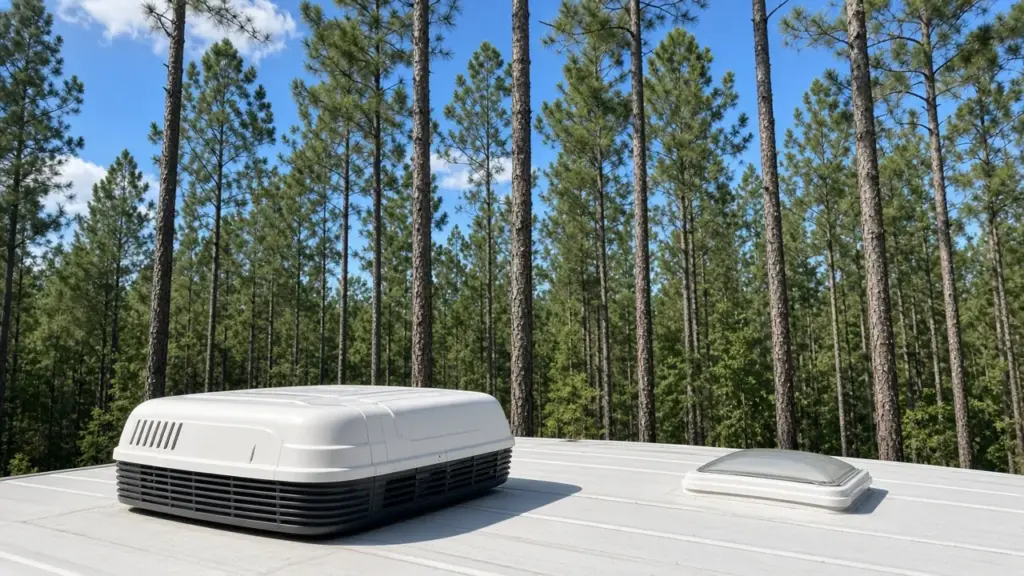
Winters in Southeast Texas are usually mild, but cold fronts can bring chilly nights and the occasional hard freeze. When temperatures drop, full-time RV residents need a dependable way to stay warm. Most RVs offer at least one of two main options: a propane furnace or some form of built-in electric heat, such as a heat pump.
Each option has advantages and tradeoffs in cost, comfort, and convenience. This guide compares electric heat and propane furnaces in RVs and explains how to use them wisely at a long-term park. For background on RV utilities, start with our pillar, RV Hookups Explained: Electric, Water, and Sewer for Long Stays.
An Important Note About Space Heaters
Before comparing options, it is important to know that portable space heaters are not allowed at Magnolia’s Finest. Space heaters can overload electrical systems and create fire risks, especially in a small space. Residents rely on their RV’s built-in heating systems. If you have questions about a specific built-in appliance, ask management before using it.
How a Propane Furnace Works
Most RVs have a propane furnace. It burns propane to create heat, and a 12-volt blower pushes warm air through ducts and floor or wall registers. The furnace vents combustion gases outside.
Advantages
- Strong heat output. Propane furnaces can heat an RV quickly, even in very cold weather.
- Works in low temperatures. Performance does not drop much as outdoor temperatures fall.
- Heats underbelly areas. In many RVs, ducts run through the underbelly, helping protect tanks and plumbing from freezing.
- Works without high electrical load. It needs only 12-volt power for the blower and controls.
Drawbacks
- Uses propane, which must be refilled and adds cost.
- Blower noise can be noticeable.
- Requires safety checks, including vents, detectors, and propane connections.
- Combustion produces moisture, which can add to condensation in some setups.
Our posts on propane basics and propane tank safety and leak checks cover safe propane use.
How Electric Heat Works
Many RVs have a heat pump built into the roof air conditioner. A heat pump moves heat from the outside air into the RV, working like an air conditioner in reverse. Some RVs also have heat strips in the AC unit or built-in electric fireplaces.
Advantages
- No propane use. Heat pumps run on electricity from your site hookup.
- Efficient in mild weather. Heat pumps can be very efficient when outdoor temperatures are moderate.
- Quiet operation compared to some furnaces.
- Less moisture than combustion heating.
Drawbacks
- Less effective in cold weather. Heat pumps lose efficiency as outdoor temperatures drop and may struggle near freezing.
- Does not heat underbelly areas in most RVs, so tanks and plumbing may need other protection.
- Uses significant electricity, which adds to your electrical load.
- Heat strips often produce limited heat.
Comparing Cost
Costs depend on your RV, local propane prices, electric rates, and how utilities are handled at your site. Utilities are confirmed per site at our park, so ask how electric service works for your site.
In general, many RV residents use a heat pump during mild weather and switch to the propane furnace when temperatures drop further. Tracking propane refills and electric use over a season helps you understand your costs.
Comparing Comfort
Propane furnaces tend to provide strong, fast heat, which many people find comfortable on cold nights. Heat pumps provide steady, gentler heat in mild weather. Some residents use both: the heat pump for most of the day and the furnace for cold mornings.
Covered sites help moderate temperatures. At our park, 8 of 10 sites are covered. Insulated window coverings and vent insulators also help keep heat in.
Electrical Load Considerations
Running electric heat adds to your electrical load. Avoid running multiple high-draw appliances at once, such as a microwave, water heater, and heat pump, which can trip breakers. Never run cords from other sites, which is not allowed at our park. Electric service is confirmed per site.
Protecting Plumbing in Cold Weather
If you rely on a heat pump, remember that it may not warm the underbelly. During hard freezes, protect exposed hoses, tanks, and plumbing. Using the propane furnace during freezes helps warm ducted underbelly areas in many RVs. Our post on sewer hose setup covers keeping hookup connections in good condition.
Maintenance for Both Systems
Propane Furnace
- Inspect and clear the exterior vent
- Clean return air grilles and registers
- Test smoke, CO, and propane detectors
- Have the furnace inspected periodically
Heat Pump
- Clean AC filters regularly
- Keep the roof unit clear of debris
- Have the unit serviced as recommended
Safety Reminders
- Never use a stove or oven to heat your RV
- Keep flammable items away from heat sources and registers
- Keep a fire extinguisher accessible
- Test detectors monthly
A Typical Southeast Texas Winter
Winter in the Magnolia area usually brings a mix of mild days and occasional cold fronts. Many days are comfortable enough that little heating is needed, especially during the afternoon. Nights can be chilly, and a few times each winter temperatures may drop near or below freezing. Occasionally, a stronger cold snap brings a hard freeze that lasts more than a day.
That pattern suits a flexible approach. On mild days, a heat pump may handle everything you need. On cold nights and during freezes, the propane furnace provides reliable warmth and helps protect plumbing. Knowing how both systems work lets you switch between them as conditions change.
Keeping Heat In
Whichever system you use, keeping heat inside your RV reduces cost and improves comfort. Close shades and curtains at night to reduce heat loss through windows, and open them on sunny winter days to let in warmth. Use vent insulators on roof vents and seal drafts around doors and windows. Rugs on floors help, especially in RVs with thin flooring.
Warm bedding, layered clothing, and slippers can make a big difference too. Many residents find they can keep the thermostat lower at night with a good blanket, which saves propane and electricity.
Planning Ahead for Cold Snaps
Watch the forecast during winter and plan ahead when a cold front is coming. Make sure your propane tanks are full, test your furnace, and protect exposed hoses before temperatures drop. Setting up weather alerts on your phone gives you advance warning of freezes. If you work long shifts, set your thermostat before you leave so your RV stays warm while you are away.
Humidity and Heating
Heating choices also affect indoor humidity. Propane combustion adds moisture in some setups, while heat pumps do not. If you notice condensation on windows during winter, run vent fans, crack a window when practical, and consider a small dehumidifier.
Frequently Asked Questions
Is a heat pump or propane furnace better for an RV?
Heat pumps are efficient in mild weather, while propane furnaces work better in colder temperatures. Many residents use both.
Are space heaters allowed at Magnolia’s Finest?
No. Portable space heaters are not allowed. Use your RV’s built-in heating systems.
Does a heat pump protect my RV plumbing from freezing?
Usually not, since most heat pumps do not heat underbelly areas. Protect plumbing during freezes.
How much does it cost to heat an RV?
It depends on your RV, propane prices, electric rates, and site utilities. Call or text (281) 205-1959 to ask about your site.
Stay Warm at Magnolia’s Finest
Magnolia’s Finest RV Park offers mostly covered sites on cement pads in a small, gated community. Read our FAQ, see our amenities, or check availability.
Check Availability or call or text (281) 205-1959
Magnolia’s Finest RV Park · 32020 Old Hempstead Rd, Magnolia, TX 77355 · Contact us