
Travel Trailer Bearings and Brakes After Sitting
June 11, 2026 · By Magnolia RV Park
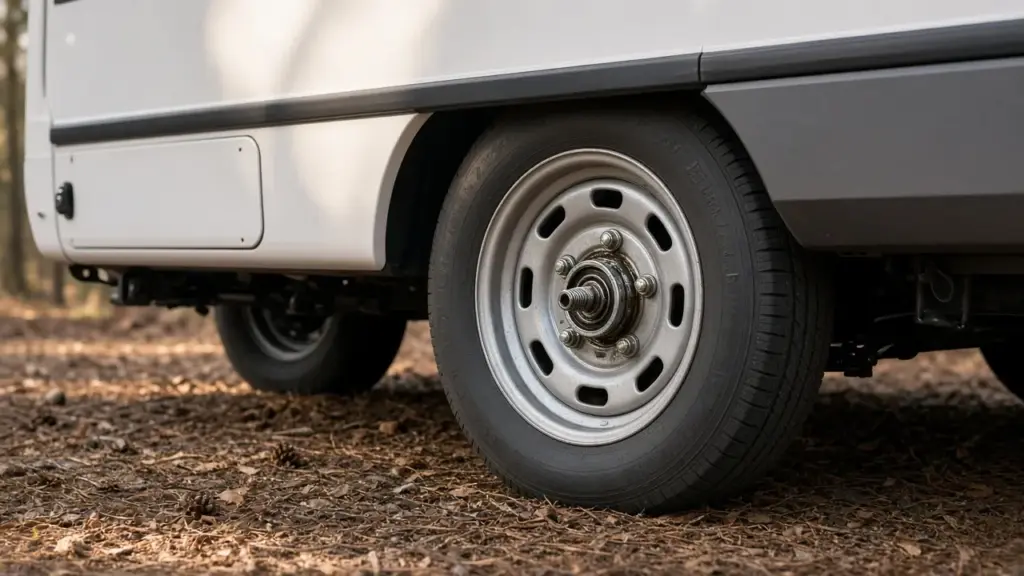
A travel trailer parked on a long-term site can sit for months without turning a wheel. That is normal for full-time residents, but it has consequences for the running gear. Wheel bearings, brakes, tires, and axles are designed to move. When they sit still for long periods, grease can settle, moisture can creep in, brake parts can corrode, and tires can develop flat spots.
This guide explains what happens to travel trailer bearings and brakes after sitting, what to check before you move, and how to keep them in shape while parked. It fits into our broader RV maintenance schedule for full-time residents.
Why Sitting Affects Running Gear
When a trailer moves, bearings rotate through their grease, brakes are used and cleaned by friction, and tires flex evenly. When a trailer sits, none of that happens.
Over months, several things can occur:
- Grease settles or separates inside bearings, leaving some surfaces less protected.
- Moisture and humidity can lead to rust on bearings, races, and brake components. Southeast Texas humidity makes this more likely.
- Electric brake magnets and drums can corrode, reducing braking performance.
- Brake wiring can be damaged by rodents or weather.
- Tires can develop flat spots, lose pressure, and crack from sun exposure.
- Seals can dry out and allow contamination.
None of this means your trailer is unsafe just because it has been parked. It does mean the running gear deserves attention before you tow it again.
Understanding Trailer Bearings
Most travel trailers use tapered roller bearings packed with grease inside each wheel hub. A seal keeps grease in and dirt and water out. Some trailers have easy-lube spindles that allow grease to be added through a fitting.
Bearings need periodic inspection and repacking. Many manufacturers recommend service at specific mileage or time intervals, often annually. For a trailer that sits most of the year, time-based service is usually more relevant than mileage.
Understanding Trailer Brakes
Most travel trailers use electric drum brakes. When you apply your tow vehicle’s brakes, a brake controller sends power to magnets inside each drum, which activate the brake shoes. Components include magnets, shoes, springs, drums, and wiring.
Sitting can cause surface rust on drums, weakened magnets, and corroded connections. A brake inspection by a qualified technician can identify these problems.
Checks Before You Move
If you are planning to move your trailer after a long stay, schedule an inspection before hitting the road. Key items include:
- Bearings: Inspect, clean, and repack or replace as needed. Replace seals when bearings are serviced.
- Brakes: Check magnets, shoes, drums, springs, and wiring. Test brake function with your controller.
- Tires: Check age, pressure, tread, sidewall cracks, and flat spots. Replace tires that are old or damaged, regardless of tread depth.
- Lug nuts: Check torque to manufacturer specifications.
- Suspension: Inspect springs, shackles, and equalizers for wear.
- Lights and wiring: Test running lights, brake lights, and turn signals.
Extensive mechanic work is not allowed at our park, so plan bearing and brake service at a shop or with a mobile technician who can work within park rules. Routine checks like tire pressure and visual inspections are fine to do yourself.
Keeping Running Gear Healthy While Parked
A few habits help protect your running gear during a long stay:
Maintain Tire Pressure
Check tire pressure monthly and keep tires inflated to the recommended level. Underinflated tires are more prone to damage and flat spots.
Protect From Sun
UV exposure breaks down tire rubber. Covered sites help, and at our park 8 of 10 sites are covered. Check with management before using any covers or equipment around your site, since tarps and covers and items on or under the site are restricted.
Control Moisture
Humidity contributes to rust. Cement pads, like those at our park, help keep the area under your trailer drier than dirt or grass. Keeping the site clear of stored items also improves air flow.
Watch for Rodents
Rodents can chew brake wiring and other cables. Check wiring periodically for damage and take steps to discourage rodents.
Exercise When Practical
If practical and allowed, moving the trailer a short distance occasionally rotates tires and bearings. Talk with management before moving your trailer within the park, and follow the 10 mph speed limit and no-driving-on-grass rule.
Related Components to Check
When preparing to move, check your hitch, safety chains, and breakaway switch. Test the breakaway battery and make sure the cable is in good condition. If you have a fifth wheel instead of a travel trailer, our post on fifth wheel hitch and landing gear care covers similar concerns.
Slide-outs also need attention before a move. Our post on slide-out maintenance explains how to inspect seals and mechanisms.
Motorhome owners face similar issues with brakes and tires, plus the engine and generator. Our post on exercising a motorhome engine and generator covers those.
Planning Moves for Storms
During hurricane season, which runs from June 1 to November 30, you may need to move your trailer on short notice. Keeping bearings, brakes, and tires in good shape before storm season means you are ready to evacuate if necessary.
Signs of Trouble on the Road
If you tow after a long stay, watch for:
- Hubs that feel unusually hot after driving
- Grinding or squealing noises
- Pulling to one side when braking
- Weak or uneven braking
- Vibration or wobbling
If you notice any of these signs, pull over safely and have the trailer inspected.
Finding the Right Technician
Choosing a qualified technician for running gear service makes a big difference. Look for shops or mobile technicians with RV and trailer experience, and ask whether they service bearings and electric brakes regularly. Ask what the inspection includes, whether they replace seals as part of bearing service, and how they test brakes. A good technician will explain what they find and recommend repairs based on condition, not just a standard package.
Keep records of every service, including dates, parts replaced, and notes on condition. Records help you plan future maintenance and are useful if you sell your trailer.
Budgeting for Running Gear
Bearings, brakes, and tires are not the most exciting parts of RV ownership, but they are essential for safety. Tires in particular can be a significant expense, and trailers with multiple axles multiply the cost. Setting aside money each month for running gear maintenance means you will not be caught off guard when service is due. It also makes it easier to move quickly when you need to, whether for a new job or an approaching storm.
Keep Hobbies and Storage Inside
Residents sometimes want to keep bikes, kayaks, or hobby equipment near their trailer. Remember that items cannot be stored on or under the site at our park. Keeping the area around your trailer clear also makes it easier to inspect tires and running gear. Our post on hobbies that fit in an RV has ideas for pastimes that do not require outdoor storage.
Frequently Asked Questions
How often should trailer bearings be serviced?
Follow your manufacturer’s guidance. Many recommend annual service, which is especially relevant for trailers that sit most of the year.
Can I repack bearings at my site?
Extensive mechanic work is not allowed at our park. Plan bearing and brake service with a shop or qualified technician.
Do tires need replacing if the tread looks good?
Tires can age and crack even with good tread. Check the age and condition, and replace old or damaged tires.
What should I check before moving my trailer after a long stay?
Bearings, brakes, tires, lug nuts, suspension, lights, hitch, safety chains, and breakaway system.
Park Your Trailer at Magnolia’s Finest
Magnolia’s Finest RV Park offers cement-pad sites, most of them covered, in a small, gated long-term community. See our amenities, review our park rules, or check availability.
Check Availability or call or text (281) 205-1959
Magnolia’s Finest RV Park · 32020 Old Hempstead Rd, Magnolia, TX 77355 · Contact us