
Exercising a Motorhome Engine and Generator When Parked Long-Term
May 20, 2026 · By Magnolia RV Park
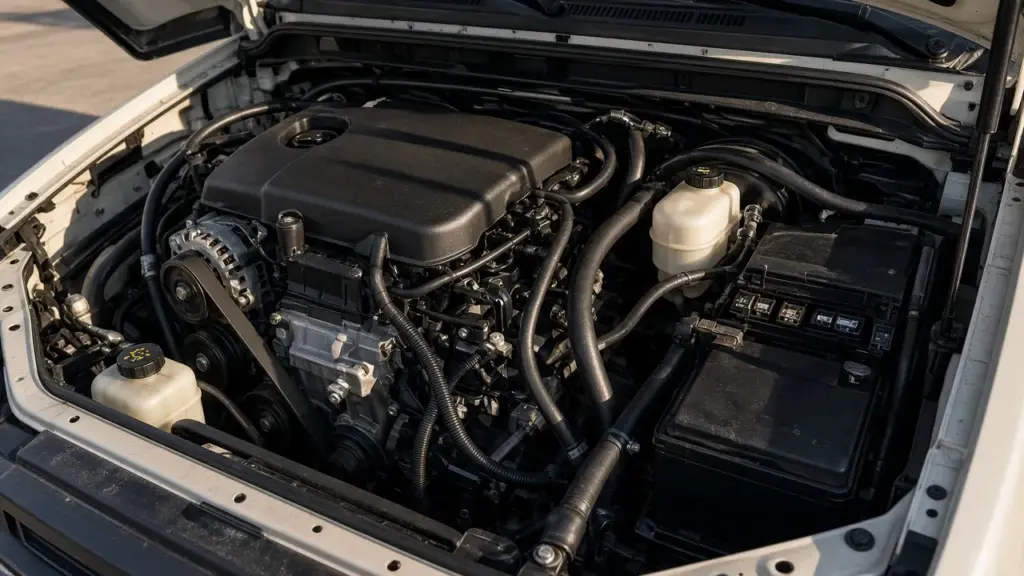
When you park a motorhome for months at a time, it is easy to forget that it is still a vehicle. Engines, generators, batteries, tires, and fuel systems are designed to be used. Letting them sit idle for long periods can lead to problems like stale fuel, dead batteries, flat-spotted tires, dried-out seals, and hard starts.
This guide explains why exercising your motorhome engine and generator matters when parked long-term, and how to do it in a way that respects your neighbors and park rules. It fits into our broader RV maintenance schedule for full-time residents.
Why Parked Motorhomes Need Exercise
Motorhomes are built for travel. When they sit still for months, several systems can suffer:
- Engine. Oil drains away from internal parts over time, and seals can dry out. Occasional running helps circulate fluids and keep seals conditioned.
- Fuel. Gasoline and diesel can degrade over time, especially in heat. Stale fuel can clog filters and injectors.
- Batteries. Chassis batteries slowly discharge, even with the engine off, due to small electrical draws.
- Tires. Tires sitting in one position can develop flat spots, and sun exposure can cause cracking.
- Brakes. Brake components can corrode or stick when not used.
- Generator. Generators that sit unused may develop fuel problems in the carburetor and fail to start when you need them.
Regular exercise keeps these systems healthy and ensures your motorhome is ready if you need to move for work, weather, or an emergency.
Exercising the Engine
Many owners start the engine periodically and let it run until it reaches normal operating temperature. Check your owner’s manual for manufacturer recommendations, since some advise against short idle sessions that do not fully warm the engine.
A better option, when practical, is to take the motorhome for a drive. Driving circulates fluids, charges the battery, exercises the transmission and brakes, and rolls the tires to new positions. Even a short drive every month or two can help.
Before moving a motorhome from a long-term site, disconnect hookups properly, secure items inside, retract slide-outs and jacks, and check your surroundings. Drive slowly within the park; our speed limit is 10 mph, and driving on the grass is not allowed.
If driving is not practical, talk with a technician about the best approach for your specific engine.
Exercising the Generator
Many manufacturers recommend running onboard generators periodically under a load to keep them in good condition. Check your generator manual for the recommended schedule and load.
Before running a generator at a park, check the park rules and be considerate of neighbors:
- Run it only during appropriate hours. Quiet hours at our park are 8 pm to 8 am.
- Make sure exhaust is directed away from other RVs, windows, and people.
- Never run a generator in an enclosed area.
- Keep sessions as short as recommended by the manufacturer.
Ask management if you have questions about running a generator at your site. Carbon monoxide detectors are essential whenever a generator runs. Our post on testing smoke, CO, and propane detectors covers this.
Managing Fuel
Stale fuel is one of the most common problems for parked motorhomes. Tips:
- Keep the fuel tank reasonably full to reduce condensation
- Consider a fuel stabilizer, following product directions
- Use fuel within a reasonable time
- Run the generator periodically to cycle fuel through it
Texas heat can accelerate fuel degradation, so pay attention during summer.
Maintaining Batteries
Chassis and house batteries both need attention:
- Check battery charge levels regularly
- Use a battery maintainer or your RV’s charging system when connected to shore power
- Check terminals for corrosion
- Check water levels in flooded lead-acid batteries
- Use a battery disconnect switch when appropriate
A dead chassis battery can leave you unable to move when you need to. Many RV furnaces and appliances also rely on 12-volt power, so healthy house batteries matter too. Our post on RV furnace maintenance explains why.
Protecting Tires
Tires on a parked motorhome need care:
- Maintain proper inflation pressure
- Inspect for cracks, bulges, and uneven wear
- Protect tires from direct sun with covers designed for RVs, where allowed
- Move the motorhome periodically to change the tire contact point
Our cement pads provide a stable surface, and covered sites help reduce sun exposure. Check with management before placing any covers or equipment around your site, since items and covers on or under the site are restricted at our park.
Watch for Rodents
Parked vehicles can attract rodents looking for shelter. Rodents can chew wires and hoses in the engine compartment, creating expensive repairs and fire hazards. Check the engine compartment periodically for signs of nesting. Our post on rodent prevention for parked RVs covers prevention strategies.
Bugs can also be a problem. Wasps and other insects may nest in vents and compartments. Our post on mosquitoes and bugs around an RV explains how to keep pests out.
Keep Safety Equipment Ready
Whenever you run an engine or generator, have safety equipment ready. Keep a fire extinguisher accessible and know how to use it. Our post on fire extinguisher basics covers choosing and mounting extinguishers.
Know When to Call a Professional
Extensive mechanic work is not allowed at our park. Routine checks like tire pressure, battery maintenance, and fluid level checks are fine, but plan major repairs at a shop. A qualified technician can service the engine, generator, and chassis on a regular schedule.
Keeping It Registered and Running
Our park requires vehicles on site to be registered and running. Exercising your motorhome regularly helps ensure it stays in running condition and ready to move if needed, such as during an approaching storm. Hurricane season runs from June 1 to November 30, and having a motorhome that starts reliably is part of a good evacuation plan.
Keep a Simple Log
Tracking when you last ran the engine, exercised the generator, checked the batteries, and inspected tires makes long-term care much easier. A notebook in the glovebox or a note on your phone works fine. Record dates, readings like tire pressure and battery voltage, and anything unusual you notice. Over time, the log helps you spot patterns, such as a battery that drains faster than it used to, and gives a technician useful information when you schedule service.
Monthly Checklist
- Start or drive the motorhome according to manufacturer guidance
- Run the generator under load, if recommended
- Check fuel levels and consider stabilizer
- Check battery charge and terminals
- Check tire pressure and condition
- Look for signs of rodents or insects
Frequently Asked Questions
How often should I run my motorhome engine when parked?
Follow your owner’s manual. Many owners start or drive their motorhome every few weeks to every month or two.
Can I run my generator at the park?
Check park rules first, respect quiet hours from 8 pm to 8 am, and direct exhaust away from others.
Can I do engine repairs at my site?
Routine checks are fine, but extensive mechanic work is not allowed. Plan major repairs at a shop.
How do I prevent stale fuel?
Keep the tank reasonably full, consider a fuel stabilizer, and use fuel within a reasonable time.
Keep Your Rig Ready at Magnolia’s Finest
Magnolia’s Finest RV Park is a small, gated long-term community with covered sites on cement pads. Review our park rules, see our amenities, or check availability.
Check Availability or call or text (281) 205-1959
Magnolia’s Finest RV Park · 32020 Old Hempstead Rd, Magnolia, TX 77355 · Contact us