
Testing RV Smoke, CO, and Propane Detectors
April 12, 2026 · By Magnolia RV Park
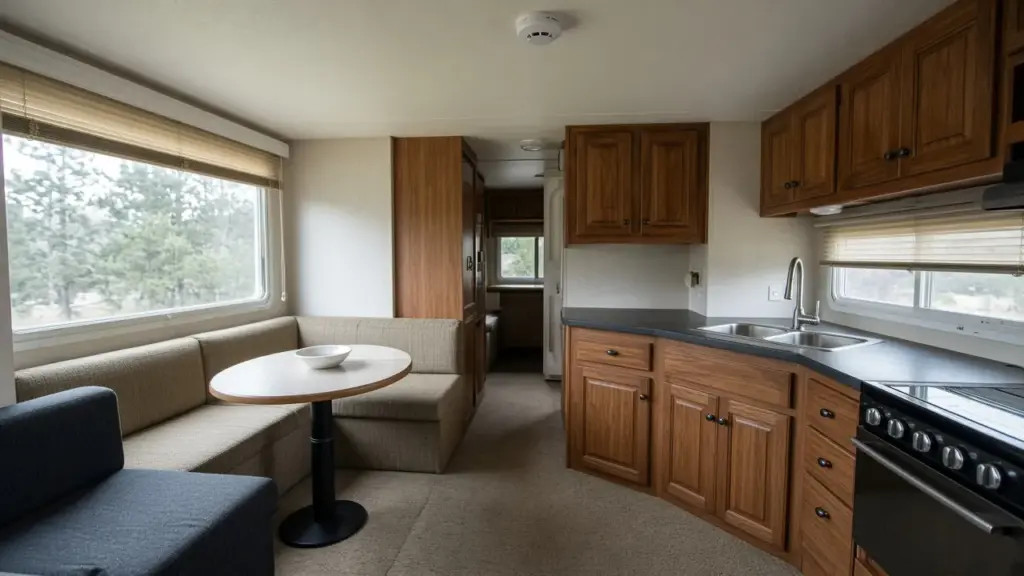
Detectors are some of the smallest devices in your RV, but they may be the most important. Smoke alarms, carbon monoxide detectors, and propane (LP gas) detectors give you early warning of fire, poisoning, or gas leaks. In a small space where fire spreads fast and fumes build quickly, those extra seconds or minutes can save lives. When you live in an RV full time, testing and maintaining detectors should be part of your regular routine.
This guide explains how to test and maintain smoke, CO, and propane detectors in an RV. For a complete maintenance framework, see our pillar on RV maintenance for full-time residents.
Why RVs Need All Three
Each detector watches for a different danger. Smoke alarms detect fire. Carbon monoxide detectors sense CO, an odorless, colorless gas produced by fuel-burning appliances, generators, and vehicle exhaust. Propane detectors sense leaking LP gas, which is heavier than air and collects near the floor.
Most RVs come with all three, but older units may be missing one or have detectors past their replacement dates. Check your RV to make sure each is present and working.
Where Detectors Belong
Placement matters for each type. Smoke alarms are typically mounted on the ceiling or high on a wall, away from the stove to reduce false alarms. Propane detectors are mounted low, near the floor, because propane sinks. CO detectors are often placed at mid-wall height or according to manufacturer instructions, near sleeping areas. Follow the manufacturer’s guidance for your devices.
Testing Schedule
Test detectors regularly. A good routine for full-time residents is to press the test button on each detector monthly, check that indicator lights show normal operation, and replace batteries as needed for battery-powered units. Add testing to your monthly walk-around or maintenance day so it becomes a habit. Our post on daily routines that make RV living feel like home explains how routines keep tasks from slipping.
Know the Expiration Dates
Detectors do not last forever. Sensors degrade over time, and most detectors have a replacement date printed on the unit or in the manual. Propane and CO detectors in RVs often have a limited service life of several years. Write replacement dates in your maintenance log and replace detectors on schedule, even if they still seem to work.
Power Sources
Some RV detectors are battery powered, while others are hardwired to your RV’s 12-volt system. Hardwired propane detectors can drain batteries slowly and may chirp or alarm when battery voltage is low. If a detector sounds when voltage drops, check your battery system. Our post on RV battery care covers keeping batteries healthy.
Responding to Alarms
Know what to do before an alarm sounds.
Smoke alarm: Check for fire. If there is fire, get everyone out immediately and call 911. Use a fire extinguisher only on small fires and only if you have a clear exit.
CO alarm: Get everyone, including pets, outside into fresh air. Call 911 if anyone has symptoms such as headache, dizziness, or nausea. Do not go back in until the source is found and fixed.
Propane alarm: Turn off appliances and the propane supply at the tank if safe to do so. Open doors and windows. Leave the RV. Avoid operating switches or creating sparks. Have the system inspected before using propane again.
False Alarms
Cooking smoke, steam from showers, and certain sprays can trigger smoke alarms. Some cleaning products and aerosols can trigger propane detectors. Never disable a detector because of false alarms. Instead, improve ventilation, move the detector if placement is the issue, or replace an overly sensitive unit.
Fire Extinguishers
Detectors warn you; extinguishers help you respond. Keep at least one fire extinguisher inside your RV near the door, and consider one near the kitchen. Check the gauge monthly and replace or service extinguishers as recommended.
Clean Detectors
Dust, pollen, cobwebs, and insects can interfere with detectors. Gently vacuum or wipe detectors during your monthly check. Pests can be a surprising problem; our posts on rodent prevention for parked RVs and ant and roach prevention inside an RV explain how to keep insects and rodents from nesting in small devices.
Generators and CO
Generators produce carbon monoxide. Never run a generator in an enclosed space or near open windows. Check park rules before running one and respect quiet hours, which at our park run from 8 pm to 8 am. Keep your CO detector working at all times.
Heating and Detectors
Cold weather brings more furnace use and higher CO risk from fuel-burning appliances. At Magnolia’s Finest, space heaters are not allowed, which reduces some fire and CO risks. Test detectors before heating season. Keeping your RV sealed against drafts helps your furnace work efficiently; our post on window coverings and insulation for RV heat control discusses insulation.
Slide-Outs and Detector Placement
Slide-outs change the layout of your RV. Make sure detectors are not blocked when slides are in or out, and that smoke can reach alarms from all areas. Our post on slide-out maintenance covers slide care.
Teaching Everyone the Sounds
Make sure everyone in your RV knows what each alarm sounds like and what to do. Practice an escape plan with two ways out, such as the main door and an emergency exit window. Check that emergency windows open easily.
Keeping a Detector Log
A simple log makes detector care easy to track. Record the date you test each detector, when you replace batteries, and the replacement date printed on each unit. Keep the log with your RV’s maintenance records or in a notes app on your phone. When a detector nears its replacement date, buy a new one ahead of time so you are never without protection. A log also helps if you sell your RV, since buyers appreciate documented safety maintenance.
What to Do After an Alarm
After any real alarm, take time to understand what happened. If a propane or CO alarm sounded, have your system inspected by a qualified technician before using fuel-burning appliances again. If a smoke alarm sounded because of cooking, consider improving ventilation with the range hood or roof vent. Replace any detector that has been exposed to a large amount of smoke or gas, since sensors can be affected.
Pets and Detectors
Pets depend on you to hear alarms. If you leave pets inside the RV while you are away, working detectors are even more important. Some residents use smart detectors or monitors that send alerts to a phone. Remember that the park is not responsible for pets left inside RVs.
Frequently Asked Questions
How often should I test my RV detectors?
Test each detector monthly and replace batteries as needed.
Do RV detectors expire?
Yes. Most have a replacement date. Replace detectors on schedule even if they seem to work.
Can I use a space heater at Magnolia’s Finest?
No. Space heaters are not allowed at our park.
What should I do if my propane detector goes off?
Turn off appliances and the propane supply if safe, open doors and windows, leave the RV, and have the system inspected.
Live Safely in Magnolia
Magnolia’s Finest RV Park is a small, gated long-term community. Review the park rules, explore our amenities, or check availability.
Check Availability or call or text (281) 205-1959
Magnolia’s Finest RV Park · 32020 Old Hempstead Rd, Magnolia, TX 77355 · Contact us