
Concrete RV Pads: Why They Matter for Long Stays
September 7, 2026 · By Magnolia RV Park
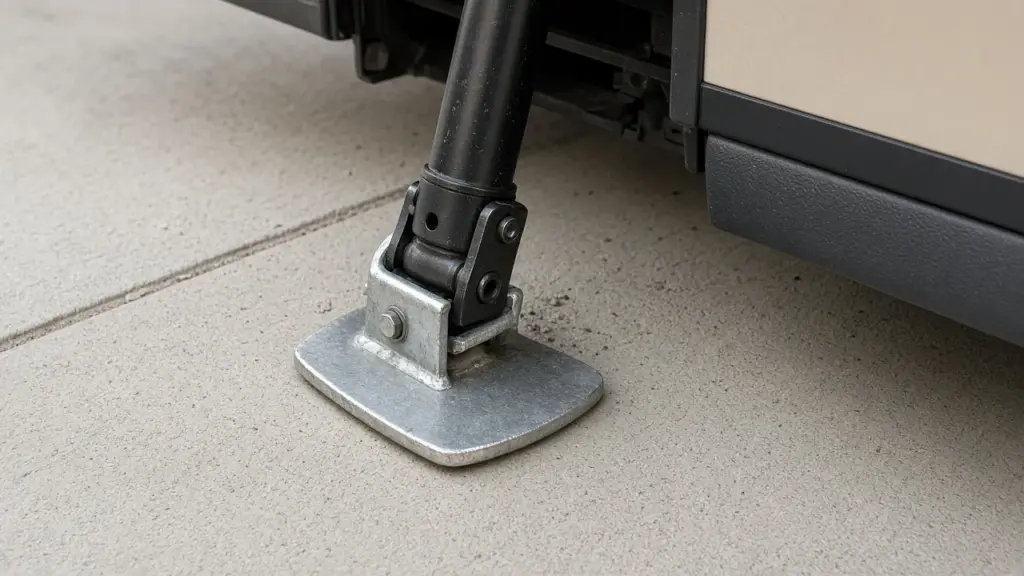
When comparing RV parks for a long stay, it is easy to focus on location, rent, and amenities. But the surface your RV sits on matters too. Sites can be grass, gravel, dirt, asphalt, or concrete. For long-term residents, concrete pads offer real advantages in stability, cleanliness, and comfort.
This guide explains why concrete RV pads matter for long stays. For a complete overview of monthly living, see our pillar, Monthly RV Living: The Complete Guide.
Our Sites
All 10 sites at our park are on cement pads. Eight sites are covered and two are uncovered.
Stable, Level Footing
Concrete provides a firm, stable surface. Unlike grass or dirt, it does not shift or sink over time. This matters for long-term stays because:
- Your RV stays level for months
- Jacks and stabilizers do not sink into the ground
- Slide-outs operate more smoothly on a level coach
- Doors and cabinets close properly
On soft surfaces, RVs can settle unevenly, especially after heavy rain. Re-leveling repeatedly is frustrating and can stress your RV’s frame.
Less Mud
Southeast Texas sees heavy rain. On grass or dirt sites, rain can turn the area around your RV into mud. Mud gets tracked inside, damages flooring, and makes daily life messy. Concrete pads reduce mud around your RV, keeping your entry cleaner.
Our post on caring for RV flooring and upholstery explains how dirt affects your interior.
Better Drainage Around Your RV
Concrete pads help water move away from the RV area rather than soaking the ground directly underneath. Standing water under an RV can increase humidity, attract pests, and contribute to rust on the undercarriage.
Tire Care
Tires that sit on wet ground or grass for long periods may be exposed to moisture more often. A concrete surface keeps tires on a firm, drier base. Many RVers also use tire covers or blocks as recommended for their RV; ask management about anything placed on the pad.
Cleaner, Neater Appearance
Concrete pads give a park a tidy, organized look. Combined with rules that keep sites clear, they help create a neat community. At our park, items cannot be stored on or under the site, which keeps pads clear. The park handles lawn care around the sites.
Fewer Pests
Tall grass and damp ground around an RV can harbor insects and other pests. A concrete pad reduces the vegetation directly under and around your RV, which may help limit pest problems.
Easier Setup
Setting up on concrete is straightforward. Leveling blocks sit securely, and you have a firm surface for positioning your RV. Our post on utility setup on move-in day walks through the steps after you park.
Concrete and Covered Sites
Most of our sites combine concrete pads with covers. Covers provide shade from the Texas sun and protection from rain, while the pads provide stable, clean footing. Together, they make long-term living more comfortable.
Driving and Parking Rules
Pads are for your RV. Vehicles must be parked in designated areas, and driving or parking on the grass or in empty lots is not allowed at our park. The speed limit inside the park is 10 mph.
Concrete vs. Other Surfaces
Grass
Grass sites can be pleasant but become muddy in rain and may cause RVs to settle unevenly.
Gravel
Gravel drains well but can shift, and small stones get tracked inside.
Dirt
Dirt sites become muddy and dusty.
Asphalt
Asphalt is firm but can get very hot in summer.
Concrete
Concrete is stable, clean, and durable, making it a strong choice for long stays.
Monthly vs. Nightly Stays
Surface matters more for long stays than for overnight visits. On a short trip, a little mud or uneven ground is a minor inconvenience. Over months, it becomes part of daily life. Our post on monthly vs. nightly RV park stays explores other differences.
RV Types and Pads
Heavier RVs, like large fifth wheels and motorhomes, benefit especially from firm surfaces. Our post on travel trailer, fifth wheel, or motorhome for long-term living compares RV types.
Keeping the Pad in Good Condition
Residents help keep pads in good shape by avoiding spills of oil, chemicals, or other substances. Extensive mechanic work is not allowed at our park, which helps prevent stains and damage. If you notice a problem with your pad, let management know through the maintenance request form on the Residents page.
Comfort for Pets
For pet owners, concrete pads mean less mud tracked inside after bathroom breaks, which keeps floors cleaner. However, concrete can get very hot in summer. On hot days, walk pets on grass where appropriate and avoid letting them stand on sun-heated concrete for long periods. Covered sites help by shading the pad for much of the day.
A Foundation for Daily Routines
It may seem like a small detail, but the surface under your RV shapes daily life in many ways. A firm, clean pad makes it easier to step outside in the morning, keep your RV level, and enjoy your home without dealing with mud or uneven ground. Over the months of a long stay, those small benefits add up to a more comfortable and less stressful living experience.
Why Level Matters for Your RV’s Systems
Keeping your RV level is about more than comfort. Many RV refrigerators, especially absorption models, need to be reasonably level to work properly. Holding tanks drain more completely when the RV is level, and water flows correctly through drains. Slide-out mechanisms work best when the coach is not twisted or uneven, and doors and windows seal better when the frame is not under stress.
On soft ground, an RV that starts level may slowly shift as the ground settles, especially after heavy rain. You might notice doors that no longer latch, cabinet doors that swing open, or a refrigerator that does not cool as well. A concrete pad helps your RV stay level for the long term, protecting these systems and reducing the need for constant adjustment.
Weather Resilience
In Southeast Texas, heavy rain can come quickly. On a grass or dirt site, standing water and soft ground can make it difficult to move your RV if you need to evacuate during a storm. A concrete pad provides a firm surface that stays usable after rain, which can make leaving easier when time matters. Pair a good site with a road-ready RV and an evacuation plan during hurricane season.
Asking About Pads When Choosing a Park
When comparing parks, ask what surface each site has, whether pads are level, and how large they are. Ask whether pads are the same across the park or vary by site. These details help you picture daily life before you commit to a long stay.
Frequently Asked Questions
Are your sites on concrete pads?
Yes. All 10 sites are on cement pads.
How many sites are covered?
Eight of our 10 sites are covered.
Can I park my vehicle on the grass?
No. Driving and parking on the grass or in empty lots are not allowed.
Can I store items on my pad?
No. Items cannot be stored on or under the site.
See Our Sites for Yourself
Review sites and rates, learn about long-term RV living in Magnolia, or check availability.
Check Availability or call or text (281) 205-1959
Magnolia’s Finest RV Park · 32020 Old Hempstead Rd, Magnolia, TX 77355 · Contact us