
Hot Car, Hot Rig: Protecting Electronics and Medications From Heat
September 22, 2026 · By Magnolia RV Park
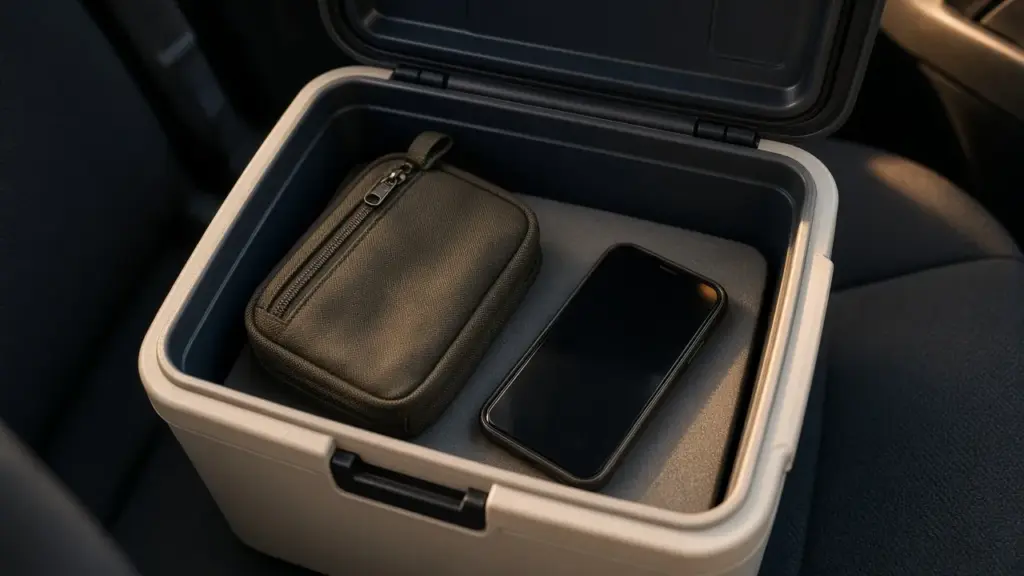
Texas heat is no joke. During summer in Montgomery County, temperatures inside a parked car or an unattended RV can climb quickly. That heat can damage electronics, weaken medications, and ruin other sensitive items. If you live in an RV long term, protecting your belongings from heat is an important part of everyday life.
This guide covers practical ways to protect electronics and medications from heat in your RV and vehicle. For a broader look at the local climate, see our year-round guide to Texas weather and your RV.
Why Heat Is a Problem
Enclosed spaces trap heat. A car parked in the sun can become much hotter than the outdoor air in a short time. RVs can also heat up quickly, especially if the air conditioning is off or fails. High heat and humidity can affect many common items.
Medications and Heat
Many medications should be stored within a specific temperature range. Heat can reduce their effectiveness or change how they work. Some, like insulin, certain inhalers, and some liquid medications, are especially sensitive.
Check Storage Instructions
Read the label or package insert for storage guidance, and ask your pharmacist if you are unsure. Some medications need refrigeration, while others should be kept at room temperature.
Never Leave Medications in the Car
Avoid leaving medications in a parked vehicle, even for a short time. If you must carry them, use an insulated bag and bring them inside with you.
Store Medications Wisely in the RV
Keep medications in a cool, dark place inside the RV, away from windows, the stove, and exterior walls that get direct sun. Avoid bathroom storage if humidity is high.
Refrigerated Medications
If you store medications in your RV refrigerator, keep a thermometer inside to monitor temperature. Have a plan in case of a power outage, such as an insulated cooler with ice packs.
Traveling With Medications
Use an insulated travel case when heading out for the day. Some cases are designed specifically for temperature-sensitive medications.
Electronics and Heat
Phones, laptops, tablets, cameras, and batteries can be damaged by heat. High temperatures can shorten battery life, cause devices to shut down, or lead to permanent damage.
Keep Devices Out of Hot Cars
Do not leave devices on the dashboard or seat of a parked car. Take them with you or store them out of sunlight.
Avoid Direct Sun Inside the RV
Keep devices away from windows and direct sunlight. Close blinds during the hottest part of the day.
Charge Carefully
Charging generates heat. Avoid charging devices on beds, couches, or in direct sun. Use quality chargers and unplug devices once they are fully charged.
Watch for Warning Signs
If a device feels very hot, shuts down unexpectedly, or has a swollen battery, stop using it and let it cool. A swollen battery can be a fire risk.
Keeping Your RV Cool
Protecting belongings starts with keeping your RV cool.
- Maintain your RV’s air conditioning system and clean filters regularly.
- Close blinds and curtains during the day.
- Park in shade when possible. Covered sites help reduce heat from direct sun.
- Use reflective window treatments made for RVs.
At our park, window AC units and foil on windows are not allowed, so rely on your RV’s built-in air conditioning and proper window treatments. Tarps and covers are also not allowed.
Humidity Matters Too
Heat and humidity often go together in Southeast Texas. High humidity can damage electronics and some medications. A dehumidifier helps control moisture inside your RV. Our post on choosing and using a dehumidifier in an RV explains how to pick the right one.
Power Outages
Storms can cause power outages, which means your air conditioning and refrigerator stop working. Plan ahead:
- Keep a cooler and ice packs for refrigerated medications.
- Keep portable battery packs charged for phones.
- Know where you could go to cool off if the outage lasts.
Our post on rainy weeks in an RV and our post on tornado safety for RV residents cover more storm preparation tips.
Utilities and Power Planning
Before moving in, ask about electrical service for your site so you can plan your cooling needs. Our post on asking about utilities before you move into an RV park explains what to ask. Utility details are confirmed per site.
Pets and Heat
Heat affects pets, too. Never leave pets in a hot car. Inside the RV, make sure your air conditioning is working and have a backup plan if it fails. The park is not responsible for pets left in the RV, so monitor conditions carefully.
Other Heat-Sensitive Items
Heat can also affect:
- Cosmetics and sunscreen
- Food, especially chocolate and perishables
- Candles, which can melt
- Aerosol cans, which should never be left in hot cars
- Important documents and photos
When You Are Away
If you are leaving your RV for the day, set the thermostat to keep the interior at a safe temperature for belongings and pets. Close blinds, and store sensitive items in the coolest part of the RV.
Building Heat Habits
Protecting your belongings from heat becomes easy with simple habits. Bring medications and devices inside with you, keep blinds closed during the day, and check your air conditioning regularly. These small steps can prevent costly damage and protect your health.
A good habit is to do a quick heat check before leaving your vehicle: look for phones, medications, sunglasses, water bottles, and aerosol cans, and bring them inside. In the RV, a simple indoor thermometer with a high-temperature alert can warn you if the air conditioning stops working while you are home.
Protecting Items During Errands
Everyday errands can expose your belongings to heat without you realizing it. A quick stop that turns into a long wait can leave a phone or prescription bag baking in the car. Plan errands so heat-sensitive purchases, like medications and groceries, are your last stop before heading home. Keep an insulated bag in your vehicle for these items, and bring your devices with you whenever you leave the car.
If you pick up prescriptions by mail, ask your pharmacy about shipping options for temperature-sensitive medications and plan to bring packages inside promptly. Delivery arrangements at the park vary, so check with management about how packages are handled.
Storage Tips Inside the RV
Not every part of an RV stays the same temperature. Cabinets on the sunny side, areas near the stove, and spaces close to the roof can get warmer than the rest of the interior. Use a small thermometer to find the coolest cabinet in your RV and make it your spot for medications and spare electronics. Keep batteries in a cool, dry place and store them in their packaging or a battery case to prevent short circuits.
Rotate stored supplies regularly, especially first aid items and over-the-counter medications, since heat can shorten their shelf life.
Frequently Asked Questions
Can I leave medications in my car during the day?
It is best to avoid it. Heat can damage many medications. Use an insulated bag and bring them inside.
How do I keep my RV cool without a window AC unit?
Use your RV’s built-in air conditioning, close blinds, use RV window treatments, and choose a covered site if possible. Window AC units are not allowed at the park.
What should I do with refrigerated medications during a power outage?
Keep a cooler with ice packs ready and monitor the temperature.
Can heat damage my phone or laptop?
Yes. Keep devices out of hot cars and direct sun, and stop using any device that overheats.
Stay Cool in Magnolia
Explore our amenities, read our FAQ, or check availability.
Check Availability or call or text (281) 205-1959
Magnolia’s Finest RV Park · 32020 Old Hempstead Rd, Magnolia, TX 77355 · Contact us