
Planning Your Next Step After RV Life
August 16, 2026 · By Magnolia RV Park
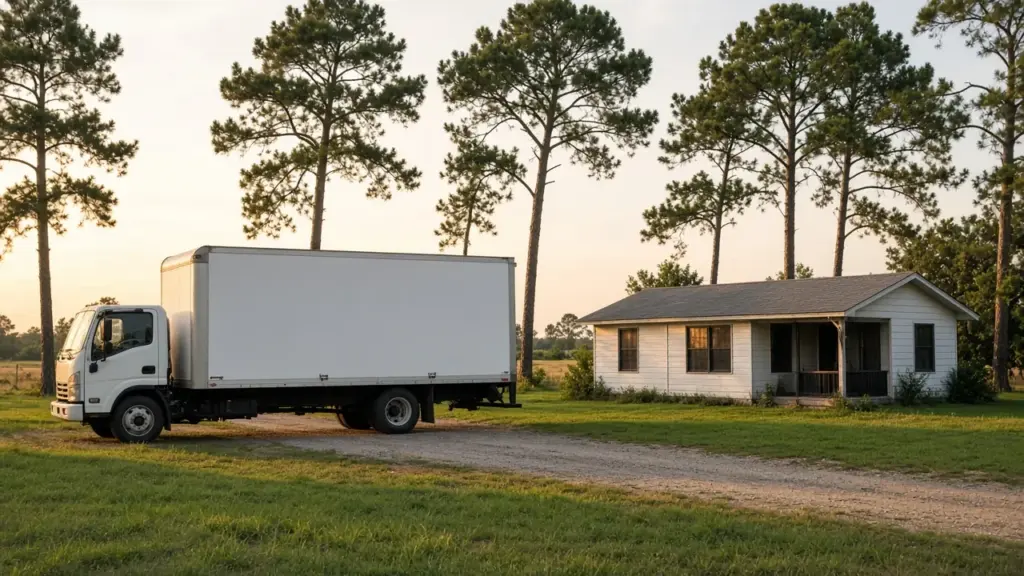
For some people, RV life is a long-term lifestyle. For others, it is a chapter that serves a purpose, such as saving money, following a job, waiting on a home repair, or simply trying something new. Eventually, many residents decide to move into a house, apartment, or another type of home. Planning that transition carefully makes it smoother and less stressful.
This guide covers practical steps for planning your next move after RV life. For a broader look at money and planning, see our pillar, Full-Time RV Life on a Budget: Planning Money, Space, and Paperwork.
Why People Leave RV Life
Common reasons include:
- Buying or renting a house
- A permanent job in a new area
- Family changes, such as marriage, children, or caring for a loved one
- Health needs
- Wanting more space
- Reaching a savings goal
- Simply feeling ready for a change
There is no wrong reason. RV life can be a great stepping stone to whatever comes next.
Set Clear Goals
Start by defining what you want next. Do you want to buy a house, rent an apartment, or move closer to family? When do you want to make the move? What will you need financially? Clear goals help you plan each step.
Review Your Finances
Moving from an RV to a traditional home often involves new costs:
- Security deposits and first month’s rent, or a down payment
- Utility setup fees
- Furniture and household items
- Moving costs
- Higher monthly housing costs in some cases
Review your savings and budget. If you have been tracking spending, you already have a clear picture. Our post on tracking spending in RV life explains simple systems.
Decide What to Do With Your RV
You have several options:
Sell It
Selling your RV can free up money for your next home. A well-maintained RV with a documented history is easier to sell and may command a better price. Our post on record keeping for full-time RVers explains how organized records help.
Keep It for Travel
Some people keep their RV for vacations and weekend trips. Consider storage costs, insurance, and maintenance.
Store It
If you are unsure, you can store your RV while you decide. Look for a storage facility, since at our park, RVs are for residents living on site, and items including trailers cannot be stored on empty sites.
Prepare Your RV for Sale or Storage
- Complete any needed repairs
- Clean inside and out
- Gather maintenance records and manuals
- Take good photos
- Check tires, brakes, and batteries
A monthly maintenance routine keeps your RV in good shape for sale; see our post on a monthly RV maintenance checklist.
Handle Paperwork
Update your address with:
- Your employer
- Banks and credit cards
- Insurance companies
- The post office
- Vehicle registration and driver license offices
- Doctors and pharmacies
If you sell your RV, transfer the title properly and cancel or adjust insurance.
Downsizing in Reverse
After living in an RV, moving into a larger space can feel overwhelming. You may be tempted to fill it quickly. Many former RVers find that the habits they learned, such as owning less and valuing experiences, carry over well. Our post on minimalism in practice explores living with less.
Give Proper Notice
When you know your move-out date, give notice to your park. At our park, the $125 deposit is refundable with no damage and at least 7 days’ notice. Refunds are made by Zelle or card reversal within 5 to 7 business days and must be requested within 7 days of leaving.
Plan Your Move-Out
Clean your site, remove all belongings, and disconnect utilities properly. Our move-out checklist covers the details.
Adjusting to a New Home
Moving from an RV to a house or apartment is a big change. You may notice more space, different routines, and new responsibilities like yard work or home maintenance. Give yourself time to adjust.
Staying Connected
If you made friends at the park, stay in touch. Many residents form lasting friendships in small communities.
Keeping the Lessons
RV life teaches valuable lessons: living efficiently, being resourceful, maintaining your home, and appreciating simple routines. These skills serve you well wherever you go next.
Timing Your Transition
Timing matters when leaving RV life. If you are buying a home, closing dates can shift, so avoid giving notice at your park until your new housing is secure. If you are renting, coordinate lease start dates with your move-out. Having a short overlap is often less stressful than a gap where you have nowhere to live.
Consider the season as well. Moving during hurricane season or extreme summer heat adds challenges, especially if you need to relocate your RV for sale or storage. If you have flexibility, choose a time with milder weather.
Emotional Side of Leaving
Leaving RV life can bring mixed emotions. You may feel excited about more space and new opportunities while also missing the simplicity, community, and freedom of RV living. That is completely normal. Take time to reflect on what you enjoyed and what you learned, and carry those lessons into your next home. Some former RVers find that they return to RV life later, while others treasure it as a meaningful chapter.
Building Credit and Rental History
If you plan to rent an apartment or buy a home, your credit and rental history matter. Landlords and lenders often review credit reports, income, and past housing. While living in an RV, keep paying bills on time and keep records of rent payments. Receipts or confirmations from your park can help show a consistent payment history. If you are planning to buy, check your credit report well in advance so you have time to correct errors or improve your score.
Talk with a lender early if you are considering a home purchase. Understanding what you qualify for helps you set realistic goals and choose the right time to leave RV life.
Planning for Pets
If you have pets, factor them into your next home. Many apartments have pet policies, deposits, or breed restrictions. Houses may need fencing or other changes. Research pet rules before signing a lease so your companions can come with you without surprises.
Asking for Help
Transitions are easier with support. Friends, family, and neighbors can help with packing, moving, and finding resources. Real estate agents, lenders, and moving professionals can guide you through the practical steps of your next chapter.
Frequently Asked Questions
How much notice should I give when leaving the park?
At least 7 days’ notice with no damage for a deposit refund at our park.
Should I sell or keep my RV?
It depends on your plans. Selling frees up money, while keeping it allows future travel. Consider storage and insurance costs.
Can I store my RV at the park after I move out?
No. Our sites are for residents living on site. Look for a storage facility.
How is my deposit refunded?
By Zelle or card reversal within 5 to 7 business days, requested within 7 days of leaving.
Or Stay a While Longer
If you are not ready to move on, Magnolia’s Finest RV Park offers a stable, long-term home. Review sites and rates, learn about long-term RV living in Magnolia, or check availability.
Check Availability or call or text (281) 205-1959
Magnolia’s Finest RV Park · 32020 Old Hempstead Rd, Magnolia, TX 77355 · Contact us