
Moving Between Job Sites With an RV
July 27, 2026 · By Magnolia RV Park
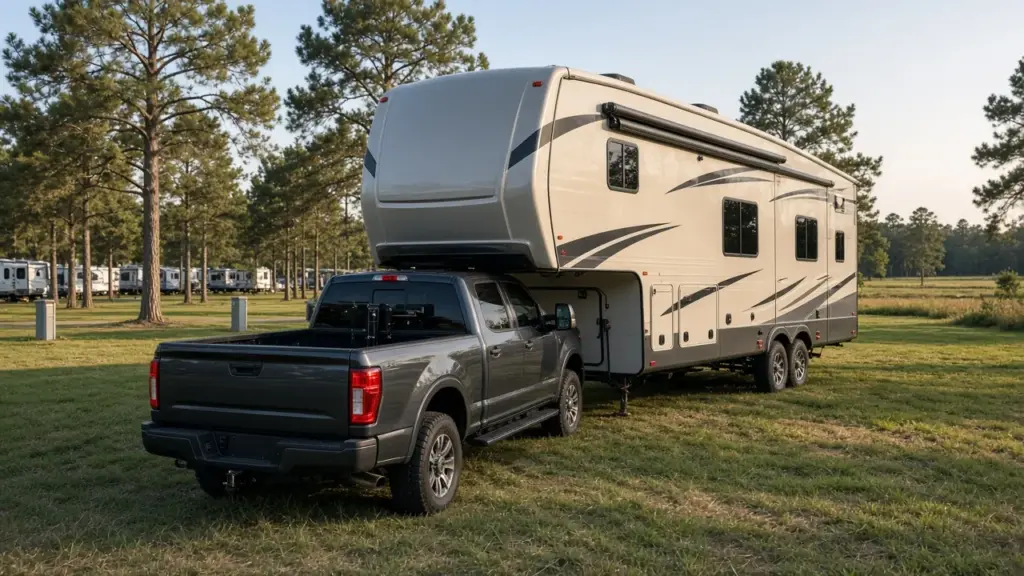
For many contract workers, the RV is what makes a mobile career possible. When one project wraps up and another begins in a different town, you can bring your home with you. But moving between job sites takes planning. You need to find a new place to stay, prepare your RV for travel, handle paperwork, and settle in quickly so you can get back to work.
This guide covers practical steps for moving between job sites with an RV. For a broader look at worker life north of Houston, see our pillar, RV Living for Workers and Contractors North of Houston.
Plan Ahead as Soon as You Know
As soon as you learn about a new assignment, start planning. The more notice you have, the smoother the move. Gather key details:
- Start date and location of the new job
- Expected length of the assignment
- Work hours and schedule
- Any housing assistance or per diem from the employer
Find a Park Near the New Job
Research RV parks near your new job site. Consider commute distance, traffic, park rules, and whether the park accepts long-term residents. Small, long-term parks may have limited openings, so reach out early.
When contacting parks, ask about:
- Availability and move-in dates
- Screening requirements and timelines
- RV age and condition requirements
- Pet policies
- Deposit and payment terms
- Arrival instructions
At our park, nothing is reserved until approval and the $125 deposit, so apply as early as possible.
Give Notice at Your Current Park
Let your current park know your move-out date as soon as possible. At our park, the deposit is refundable with no damage and at least 7 days’ notice. If your current contract ended unexpectedly, our post on when a contract ends early covers next steps.
Prepare Your RV for Travel
If your RV has been parked for months, it needs attention before hitting the road:
- Tires. Check pressure, tread, sidewalls, and age.
- Brakes and bearings. Have them inspected if the RV has been sitting.
- Lights. Test brake lights, turn signals, and running lights.
- Batteries. Make sure they are charged.
- Fluids. Check engine fluids for motorhomes and tow vehicles.
- Slide-outs and awnings. Retract and secure them properly.
- Roof and seals. Inspect for damage.
Have any significant repairs done at a qualified shop before travel.
Packing for the Move
Secure everything inside your RV before driving. Loose items can shift and break during travel.
- Latch cabinets and drawers
- Secure TVs and electronics
- Store dishes and glassware carefully
- Empty or secure the refrigerator contents
- Close roof vents and windows
Disconnecting and Departing
Disconnect utilities carefully. Drain and rinse holding tanks as appropriate, following park guidelines. Coil and store hoses and cords. Walk around your RV to make sure nothing is left behind and that your site is clean. Our move-out checklist covers the details.
Planning the Drive
Plan your route with your RV’s size and weight in mind. Avoid low clearances and roads unsuitable for large vehicles. Build in time for fuel stops, rest breaks, and traffic. Try to avoid driving during peak traffic hours when possible.
Check the weather before departing. Hurricane season from June 1 to November 30 and winter storms can affect travel.
Arriving at the New Park
Arrive on time and follow arrival instructions. At our park, RVs must arrive before 6 pm, and gate and arrival notes are sent by text. Drive slowly within the park, observing the 10 mph speed limit, and stay off the grass.
Setting Up Quickly
After arrival, set up your RV efficiently so you are ready for your first day of work:
- Level and stabilize the RV
- Connect utilities
- Set up essentials like bedding, kitchen items, and work clothes
- Check that appliances work
- Plan your commute route
Securing Your RV at the New Site
Once settled, keep your RV secure while you are at work. Our post on securing your RV while you’re at work offers practical tips.
Moving With a Partner
If you live with a partner, coordinate the move together. One partner may need to stay behind to finish a job, or both may need to start new jobs. Our post on working couples scheduling around two jobs has tips for coordinating life with two schedules.
Budgeting for the Move
Moving costs can add up. Include:
- Fuel
- Application fees and deposits
- RV maintenance before travel
- Food and lodging during travel if needed
- Any gap between paychecks
Building a moving fund helps you handle job changes without financial stress.
Keeping Records Organized
Keep important documents accessible during the move, including your RV title, registration, insurance, work contract, and park agreements. Store originals in a secure, waterproof container.
Settling Into a Routine
Once you arrive, establish a routine quickly. Learn your commute, find grocery stores and fuel stations, and get to know park rules. A quiet park can make settling in easier; our post on what a quiet RV park is really like day to day gives a sense of daily life.
Keeping Your RV Move-Ready
Workers who move often benefit from keeping their RV in a state that is easy to pack up. Avoid accumulating more belongings than your RV can safely carry, and keep heavy items stored low and secure. Stay current on maintenance so your RV is always close to road-ready. Keep a written checklist for departure day that covers everything from closing vents to checking tire pressure. Using the same checklist every time reduces the chance of forgetting an important step, especially when you are tired or rushed.
Many experienced workers also keep a small “first night” box with bedding, toiletries, a change of clothes, basic tools, and a few easy meals. When you arrive at a new site late in the day, you can settle in quickly without unpacking everything.
Handling Pets During a Move
Moving day can be stressful for pets. Keep them secure inside the tow vehicle or RV cab during travel, never loose in a moving trailer. Bring food, water, medications, and vaccination records. Plan stops where pets can stretch their legs safely on a leash. When you arrive at the new park, give pets time to adjust to their new surroundings, and review the park’s pet policies before letting them outside.
Updating Your Information
After each move, update your address or contact information where needed, including with your employer, insurance company, and bank. Keep track of registration and inspection dates, especially if you move across county or state lines.
Frequently Asked Questions
How early should I contact parks near a new job?
As soon as you know about the new assignment, since openings at small parks can be limited.
What should I check before moving my RV?
Tires, brakes, bearings, lights, batteries, fluids, slide-outs, awnings, and roof seals.
What time do I need to arrive at the park?
RVs must arrive before 6 pm, and gate and arrival notes are sent by text.
How much notice do I need to give when leaving?
At our park, at least 7 days’ notice with no damage for a deposit refund.
Make Magnolia Your Next Stop
Check availability or learn about long-term RV living in Magnolia.
Check Availability or call or text (281) 205-1959
Magnolia’s Finest RV Park · 32020 Old Hempstead Rd, Magnolia, TX 77355 · Contact us