
Generator Etiquette at RV Parks
July 18, 2026 · By Magnolia RV Park
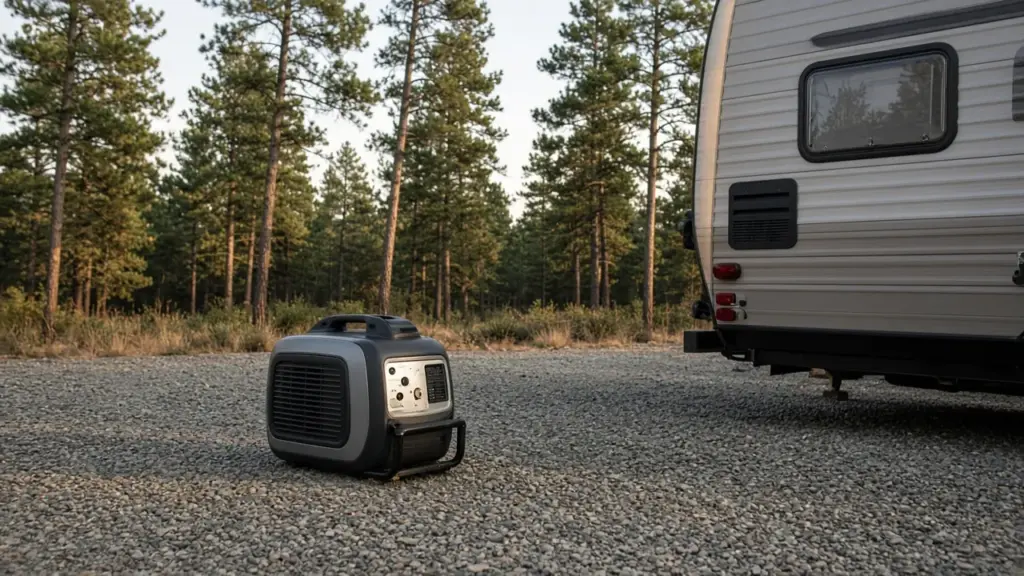
Generators give RVers power when hookups are unavailable, such as while traveling, dry camping, or during a power outage. But generators are also loud and produce exhaust, and in an RV park where neighbors live close together, they can quickly become a source of conflict. Knowing proper generator etiquette helps you stay safe and keep good relationships with your neighbors.
This guide covers the basics of generator courtesy and safety in RV parks. For a full explanation of park utilities, see our pillar, RV Hookups Explained: Electric, Water, and Sewer for Long Stays.
Why Generator Etiquette Matters
In a park, your neighbors may be sleeping, working from home, or relaxing outside. A generator running nearby can disrupt all of that. Exhaust fumes can drift into neighboring RVs, which is unpleasant and potentially dangerous. Running a generator with consideration for others is a key part of being a good neighbor.
Always Ask Management First
Generator rules vary widely between parks. Some parks with electric hookups do not allow routine generator use at all. Others allow it only during emergencies or specific hours. At our park, ask management before running a generator. Text us at (281) 205-1959 if you have questions.
Never assume generator use is permitted just because you have one.
Respect Quiet Hours
Quiet hours at our park run from 8 pm to 8 am. Running a generator during quiet hours can disturb neighbors who are sleeping or winding down. Even outside quiet hours, keep generator use to what is necessary and ask management first.
Noise Considerations
Generators vary in how loud they are. Inverter generators are generally quieter than older open-frame models. If you use a generator, consider:
- Running it only when needed
- Choosing a quieter model
- Turning it off as soon as you are done
Exhaust Safety
Generator exhaust contains carbon monoxide, a colorless, odorless gas that can be deadly.
- Never run a generator inside your RV or in an enclosed space
- Make sure exhaust is directed away from your RV and neighbors
- Keep windows and vents near the exhaust closed
- Test your carbon monoxide detector regularly
- Never sleep while a generator runs near your RV unless your detector is working and exhaust is directed safely away
Wind can carry exhaust toward neighbors, so pay attention to the direction of the breeze.
Built-In Generators on Motorhomes
Many motorhomes have built-in generators. These need to be exercised periodically to keep them in good condition. Our post on exercising a motorhome engine and generator when parked long-term covers what that means. Ask management about the best time and approach for exercising a generator at your site, keeping noise and exhaust in mind.
Fuel Safety
Generators run on gasoline, propane, or diesel, all of which are flammable.
- Store fuel safely in approved containers
- Never refuel a hot or running generator
- Keep fuel away from heat sources
- Clean up spills promptly
Remember that items cannot be stored on or under the site at our park, which includes fuel containers and generators. Store them appropriately in your vehicle or RV compartments where safe.
Power Outages
During a power outage, it is natural to want backup power. Check with management about generator use in emergencies, and follow all safety guidelines carefully. Many storm-related injuries come from improper generator use.
Electrical Safety
Generators should never be connected to the park’s electrical system or to another site. Hookup tampering and cords run from other sites are prohibited at our park. Use proper cords and adapters rated for your RV. Our post on RV electrical adapters and safe use explains the basics.
Maintenance
A poorly maintained generator can be louder, smokier, and less reliable. Keep up with oil changes, air filter replacements, and other maintenance. For repairs, consider a qualified technician; our post on mobile RV technicians vs. shop service compares the options. Remember that extensive mechanic work is not allowed at our park.
Reducing Your Need for a Generator
When you have hookups, you may rarely need a generator. Conserving power helps keep usage manageable. Similarly, conserving water helps your systems run efficiently; see our post on conserving water in an RV. Keeping your water system clean is also part of good RV care; see our post on sanitizing RV fresh water lines and tanks.
Being Considerate
Good generator etiquette comes down to consideration:
- Ask management before using a generator
- Respect quiet hours
- Keep noise and exhaust away from neighbors
- Turn it off when not needed
- Follow safety guidelines
If a neighbor raises a concern, listen and respond respectfully. Small courtesies make a big difference in a close community.
Understanding Your Neighbors
Every resident has a different schedule. Some neighbors work nights and sleep during the day, while others work from home and need quiet for calls and meetings. Something that seems like a minor noise to you may be a major disruption to someone else. When in doubt, ask your neighbors if a certain time works for them, or simply avoid running noisy equipment when others are likely to be resting.
Many long-term residents appreciate a park where everyone looks out for one another. Showing that you are aware of others’ needs builds goodwill that makes life better for everyone, including you.
Generators While Traveling
Generator etiquette applies when you travel too. At campgrounds and rest areas, follow posted rules, respect generator hours, and keep your equipment away from other campers. Being a courteous traveler reflects well on the RV community as a whole and makes the road more pleasant for everyone.
Choosing a Generator If You Need One
If you decide you need a generator for travel or emergencies, think carefully about the type and size. Inverter generators are popular with RVers because they tend to run more quietly and produce stable power for sensitive electronics. Consider how much power you actually need. Running an air conditioner requires much more capacity than charging phones and running lights. A generator that is too small will struggle, while one that is much larger than needed may be louder and use more fuel.
Look at noise ratings, fuel type, weight, and ease of maintenance. Read reviews and talk with other RVers about their experiences. Buying the right generator from the start makes it easier to be a considerate neighbor when you do need to use it.
Planning for Emergencies Without a Generator
Not every resident needs a generator. For short outages, many people rely on flashlights, battery banks for phones, a cooler with ice, and a plan for staying cool or warm. Having a basic emergency kit ready can reduce your need for backup power and keep you comfortable until service is restored.
Frequently Asked Questions
Can I run a generator at the park?
Ask management first. Generator rules vary, and you should not assume use is permitted.
When are quiet hours?
Quiet hours at our park run from 8 pm to 8 am.
Is generator exhaust dangerous?
Yes. It contains carbon monoxide. Never run a generator inside or in an enclosed space.
Can I connect my generator to the park’s power system?
No. Hookup tampering and cords run from other sites are prohibited.
Enjoy a Quiet, Considerate Community
Read our FAQ, explore our amenities, or check availability.
Check Availability or call or text (281) 205-1959
Magnolia’s Finest RV Park · 32020 Old Hempstead Rd, Magnolia, TX 77355 · Contact us