
Reducing Energy Use to Keep RV Costs Predictable
June 26, 2026 · By Magnolia RV Park
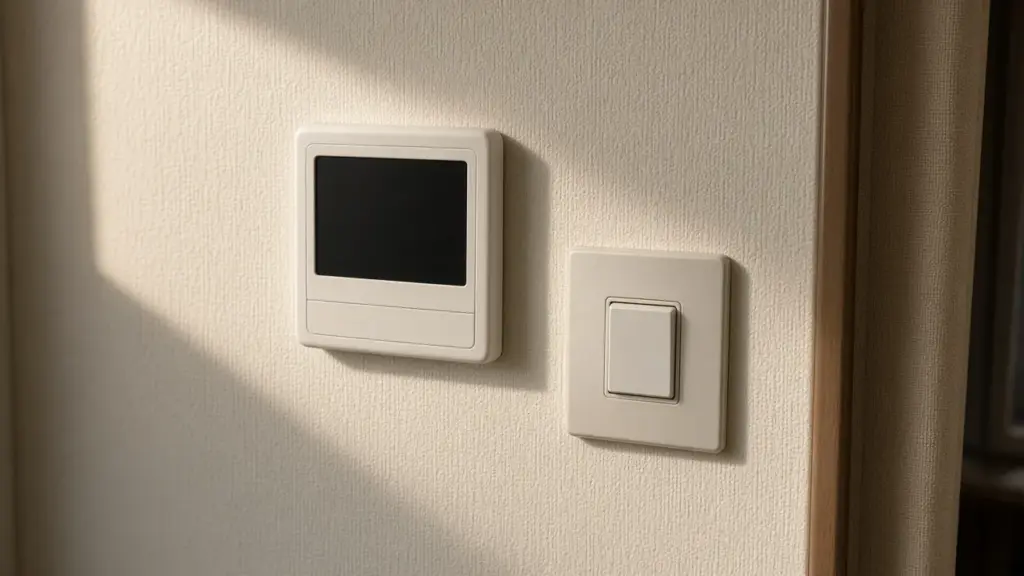
Energy is one of the more unpredictable costs of full-time RV living. Electricity and propane use can swing widely between seasons, especially in Southeast Texas, where summer air conditioning and winter cold snaps both put demands on your systems. Reducing energy use not only saves money, it also makes your monthly costs more predictable, which helps with budgeting.
This guide covers practical ways to reduce energy use in an RV and keep costs steady. For the broader financial picture, start with our pillar, Full-Time RV Life on a Budget: Planning Money, Space, and Paperwork.
Why Predictability Matters
When your costs vary wildly from month to month, it is harder to plan. A big summer electric bill or an unexpected propane refill can strain your budget. By reducing overall energy use and planning for seasonal changes, you can smooth out those swings and avoid surprises.
At our park, utilities are confirmed per site, so ask how electric service works for the site you are considering. Understanding how you are billed helps you budget.
Air Conditioning: The Biggest User
In Southeast Texas, air conditioning is usually the largest energy user. Tips to reduce AC load:
- Choose a covered site. At our park, 8 of 10 sites are covered, which reduces heat on your roof.
- Use reflective shades and insulated window coverings.
- Clean AC filters regularly.
- Set the thermostat at a reasonable temperature.
- Close shades on the sunny side during the hottest part of the day.
- Seal gaps around doors, windows, and slide-outs.
- Cook during cooler hours or use low-heat appliances.
Window AC units are not allowed at our park, so maintaining your RV’s built-in AC is essential.
Heating Efficiently
Winter heating costs depend on whether you use propane, electric heat, or both. Many residents use a heat pump during mild weather and the propane furnace during colder periods. Insulated window coverings, vent insulators, and sealing drafts reduce heating demand.
Space heaters are not allowed at our park, so rely on your RV’s built-in systems.
Appliances and Electronics
Small changes add up:
- Use LED lighting throughout your RV.
- Turn off lights and electronics when not in use.
- Unplug chargers and devices that draw power when idle.
- Use energy-efficient appliances when replacing old ones.
- Run the water heater only when needed, if practical for your setup.
Cooking With Less Energy
Cooking choices affect energy use. Slow cookers and multi-cookers use relatively little energy. Covering pots speeds cooking and reduces humidity. Batch cooking reduces how often you cook. Our post on meal planning on a budget covers efficient cooking habits.
Propane Planning
Propane use varies by season. Track how often you refill tanks and plan ahead for winter, when furnace use increases. Refilling before cold weather avoids running out during a cold snap.
Hobbies and Energy
Some hobbies use more energy than others. Gaming consoles, large screens, and power tools add to your electric use. Choosing energy-light hobbies, or being mindful of usage, helps. Our post on hobbies that fit in an RV has ideas.
Reduce What You Own
Owning less can reduce energy use indirectly. Fewer appliances, gadgets, and electronics mean less power draw. If you are downsizing, our post on storing belongings off-site explains options for items you are not ready to part with.
Healthy Habits Save Energy
Spending more time outdoors, walking, and exploring the area means less time running AC and electronics indoors. Our post on staying healthy in RV life offers ideas for getting outside.
Budget for Seasonal Highs
Even with good habits, energy costs will be higher in some months. Budget for seasonal highs rather than averages. Some residents set aside a little extra each month in cooler seasons to cover summer electric costs or winter propane.
Track your energy use over several months. Knowing your patterns helps you plan and spot unusual changes.
Safety and Efficiency Go Together
Safe electrical practices also support efficiency. Never run cords from other sites, which is not allowed at our park. Avoid overloading circuits. Use a surge protector. Report pedestal problems to management rather than attempting repairs.
Energy Savings Through the Year
It helps to think about energy in seasons. In late spring, before the heat arrives, clean AC filters, check seals, and put up reflective shades. During summer, focus on reducing heat gain and running the AC efficiently. In fall, as temperatures drop, open windows on pleasant days and give the AC a break. Before winter, refill propane, check the furnace, and prepare insulated coverings for windows and vents.
Planning ahead this way prevents last-minute scrambling and helps keep costs steady. Many residents keep a simple calendar of seasonal tasks so nothing gets missed.
Why Small Changes Matter
It can be tempting to focus only on big changes, like a new air conditioner. But small daily habits often add up to more savings over time. Turning off a light, closing a shade, cooking once instead of twice, and cleaning a filter each seem minor, yet together they can noticeably reduce your monthly energy use. The best part is that most of these habits cost nothing at all.
Understanding Your Bills
If your site’s electricity is metered or billed separately, take time to understand your bill. Note the usage period, the amount used, and the rate. Comparing bills month to month shows how weather and habits affect your costs. If a bill seems unusually high, look for causes such as a heat wave, a failing AC seal, or an appliance left running. Contact management with questions rather than guessing.
Maintenance Saves Energy
Well-maintained systems use less energy. A dirty AC filter forces the unit to work harder. Worn door and window seals let cool air escape. A water heater with sediment buildup takes longer to heat water. Regular maintenance keeps your systems running efficiently and helps prevent costly breakdowns. Build these checks into your monthly routine so they become automatic.
Involving Everyone in the Household
If you share your RV with a partner, energy savings work best as a team effort. Agree on thermostat settings, remind each other to turn off lights and unplug devices, and share responsibility for maintenance tasks like cleaning filters. When everyone understands the goal of keeping costs predictable, small habits become easier to maintain.
Planning for the Unexpected
Even with careful planning, surprises happen. An AC unit may fail during a heat wave, or a cold snap may last longer than expected. Keeping a small emergency fund for utility spikes and repairs protects your budget and your peace of mind.
Frequently Asked Questions
What uses the most energy in an RV?
In Southeast Texas, air conditioning is usually the largest energy user.
How can I lower my RV’s cooling costs?
Choose a covered site, use reflective shades, clean AC filters, seal gaps, and set the thermostat reasonably.
Are space heaters allowed?
No. Space heaters are not allowed at our park. Use your RV’s built-in heating.
Are utilities included at Magnolia’s Finest?
Utilities are confirmed per site. Call or text (281) 205-1959 to ask.
Keep Costs Steady at Magnolia’s Finest
Magnolia’s Finest RV Park offers mostly covered sites on cement pads in a small, gated long-term community. View sites and rates, learn about long-term RV living in Magnolia, or check availability.
Check Availability or call or text (281) 205-1959
Magnolia’s Finest RV Park · 32020 Old Hempstead Rd, Magnolia, TX 77355 · Contact us