
Rodent Prevention for Parked RVs
March 18, 2026 · By Magnolia RV Park
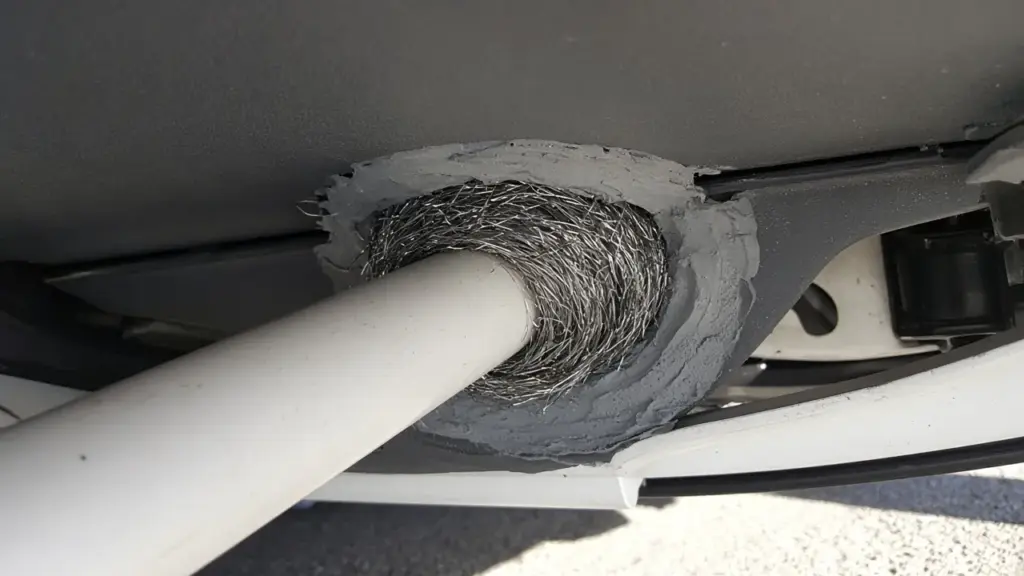
An RV parked in one spot for months can look like an inviting home to mice and rats. Rodents squeeze through tiny openings, chew wiring and insulation, contaminate food, and leave droppings and odors behind. A single mouse can cause expensive electrical damage in a short time. Fortunately, consistent prevention keeps most rodents out.
This guide explains how to prevent rodents in a parked RV. For a complete maintenance framework, see our pillar on RV maintenance for full-time residents.
Why Parked RVs Attract Rodents
Rodents look for three things: shelter, food, and water. A parked RV can offer all three. Cooler weather in fall and winter drives rodents to seek warm shelter, and RVs with gaps around plumbing, wiring, and slide-outs offer easy entry.
Know the Signs
Catch problems early by watching for:
- Droppings in cabinets, drawers, or compartments
- Chewed food packaging
- Gnawed wires, hoses, or insulation
- Nesting material like shredded paper or fabric
- Scratching sounds at night
- Musty or ammonia-like odors
If you see signs, act immediately.
Seal Entry Points
Mice can fit through openings the size of a pencil eraser. Inspect your RV for gaps:
- Where plumbing and wiring pass through floors and walls
- Around the utility bay
- Under sinks and behind appliances
- Around slide-out seals
- Near the furnace and water heater
- At the refrigerator vent
Seal small gaps with materials rodents cannot chew easily, such as steel wool combined with sealant, or expanding foam designed for pest control. Do not block vents needed for appliance operation. Our post on keeping RV exterior trim, lights, and windows in good shape includes checking exterior openings during your walk-around.
Store Food Properly
Food is a major attraction:
- Store dry goods in hard plastic or glass containers
- Keep pet food sealed
- Clean crumbs from counters, floors, and seating
- Take out trash daily
- Do not leave food out overnight
Keep the Site Clear
Clutter around and under an RV provides shelter for rodents. At Magnolia’s Finest, items on or under the site are not allowed, which helps reduce hiding places. Keep your site clean and free of trash.
Water Sources
Fix leaks promptly. Dripping faucets, condensation, and standing water attract pests. Our post on gray tank management when you’re connected full-time covers plumbing habits that reduce leaks and odors.
Protect Wiring
Rodents chew wiring, which can cause electrical problems or fire risks. Inspect wiring in compartments and the utility bay. If you find chewed wires, have a qualified technician repair them. Battery compartments deserve attention too; our post on RV battery care when you’re plugged in long-term covers battery inspections.
Engine Compartments
Motorhome engine compartments and tow vehicles can attract rodents looking for warm, sheltered spots. Check under hoods periodically for nests or chewed materials, especially in cold weather.
Deterrents
Some residents use deterrents such as:
- Peppermint oil
- Ultrasonic devices
- Commercial repellents
Results vary. Deterrents work best alongside sealing and cleanliness, not as a replacement.
Traps
If rodents get in, traps are an option. Place them along walls and in areas where you see signs. Check traps daily. Use caution with poisons, which can harm pets and wildlife and may cause rodents to die in hard-to-reach places, creating odors.
Pets and Rodent Control
Pets can help detect rodents, but they can also be harmed by traps or poisons. Place traps where pets cannot reach. Our park’s pet rules keep dogs primarily inside the RV, so be especially careful with indoor traps.
Park Animals
Our park has resident animals, with a treat bin at the gate. Keep treats and pet food sealed, and do not leave food outside, which could attract rodents.
Cleaning After Rodents
If you find droppings or nests:
- Wear gloves and a mask
- Ventilate the area
- Use a disinfectant spray and let it sit before wiping
- Avoid sweeping or vacuuming droppings dry, which can spread particles
- Dispose of materials in sealed bags
Wash hands thoroughly afterward.
Cleaning the Exterior
Keeping your RV exterior clean helps you spot entry points. Our post on washing an RV when on-site washing isn’t allowed covers park-friendly cleaning methods.
Seasonal Vigilance
Rodent activity often increases in fall and winter. Inspect more often during cooler months and after storms.
When to Call a Professional
If rodents keep returning or you find extensive damage, call a pest control professional. Let management know if you suspect a broader rodent problem in the park.
Storage Compartments
Basement storage bays are a favorite hiding spot for rodents because they are dark, rarely disturbed, and often have small gaps where hoses and cords pass through. Check compartments at least monthly. Store items in sealed plastic bins rather than cardboard boxes, which rodents chew and use for nesting. Avoid keeping birdseed, grass seed, or pet food in compartments. If you notice droppings or chewed items, empty the compartment, clean it, and look for the entry point before restocking.
Why Prevention Beats Repair
Rodent damage to wiring, plumbing, and insulation can be hidden and expensive. A chewed wire behind a wall may not show up until an appliance fails or a circuit shorts. Spending a few minutes each month on prevention costs far less than tracking down and repairing damage later.
A Monthly Rodent Check
Build a quick rodent check into your monthly maintenance routine. Open every cabinet and drawer and look in the back corners with a flashlight. Check under sinks, behind the refrigerator access panel if reachable, and inside basement compartments. Look at the utility bay for chewed hoses or insulation. Walk around the outside and inspect the underside of the RV for gaps, nests, or chewed materials. Glance under the hood of your vehicle. The whole check takes about fifteen minutes, and it often catches a problem before any damage is done.
Winter and Storm Season Watch
Rodents look for shelter when temperatures drop and after heavy rain floods their burrows. During cold snaps and after major storms, increase how often you check your RV. Pay attention to new sounds at night, fresh droppings, or pets acting interested in a particular cabinet or wall. Acting quickly at the first sign keeps a single visitor from becoming a family.
Working With Neighbors
Rodents do not respect site boundaries. If you notice activity, mention it to management so the park can look at the bigger picture. Neighbors who keep sites clean and food sealed help protect everyone.
Frequently Asked Questions
How do mice get into RVs?
Through small gaps around plumbing, wiring, slide-outs, and vents. Mice can fit through very small openings.
Can I store items under my RV at Magnolia’s Finest?
No. Items on or under the site are not allowed, which helps reduce rodent hiding spots.
Are poisons safe to use in an RV?
Use caution. Poisons can harm pets and wildlife. Traps placed out of pets’ reach are often safer.
What should I do if I find droppings?
Wear gloves and a mask, ventilate, disinfect before wiping, and seal entry points.
A Clean, Well-Kept Park in Magnolia
Magnolia’s Finest RV Park is a small, gated long-term community with clear rules. Review the park rules, explore our amenities, or check availability.
Check Availability or call or text (281) 205-1959
Magnolia’s Finest RV Park · 32020 Old Hempstead Rd, Magnolia, TX 77355 · Contact us