
Why RV Parks Restrict Aggressive Breeds
November 2, 2025 · By Magnolia RV Park
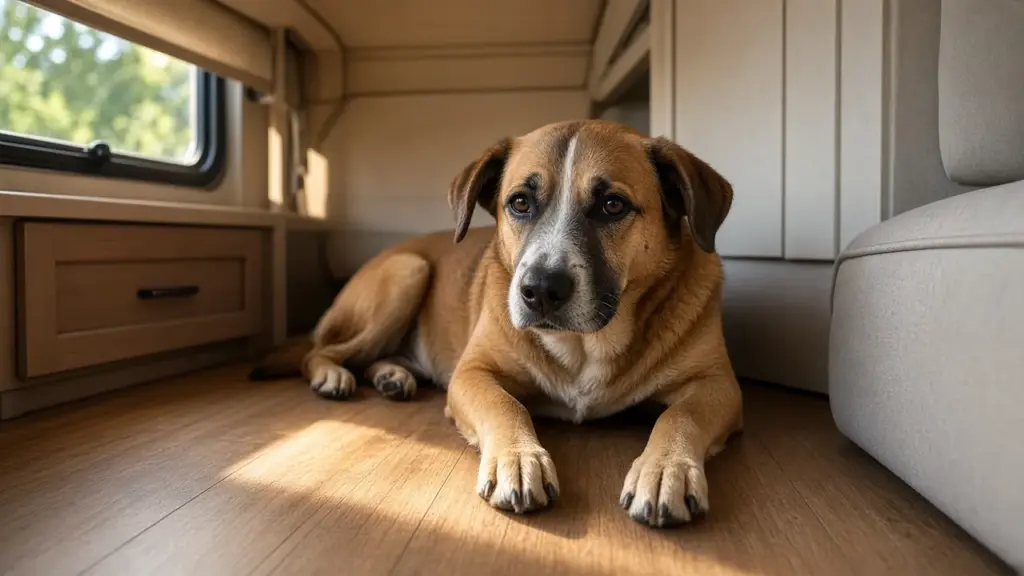
If you are looking for a long-term RV park with a dog, you will probably run into pet policies that limit aggressive dogs or certain breeds. These rules can feel frustrating, especially if your dog is gentle. Understanding why parks write these rules, and what they usually mean in practice, helps you find the right fit and avoid surprises.
This guide explains common reasons behind aggressive breed restrictions at RV parks, what questions to ask, and how to show a park that your pet will be a good neighbor. For a broader guide to RV life with animals, see our pillar on long-term RV living with dogs and cats.
RV Parks Are Close Quarters
RV parks put homes much closer together than typical neighborhoods. Residents walk past each other’s sites every day, pets share the same paths, and children and visitors may be nearby. In a small park, there is little space to separate animals that do not get along.
That closeness is a big part of why parks care about pet behavior. A single incident can affect many residents, and in a long-term park, the same people and pets live side by side for months or years.
Common Reasons for Restrictions
Parks usually restrict aggressive dogs or certain breeds for a mix of reasons:
- Safety of residents and pets. Owners want to reduce the risk of bites and fights.
- Insurance requirements. Some park insurance policies limit certain breeds or dogs with bite histories.
- Liability concerns. Incidents can lead to claims against the park.
- Community peace. Fear of a neighbor’s dog can create lasting tension.
- Management capacity. Small parks may not have staff to handle ongoing conflicts.
Whether you agree with breed-based rules or not, knowing these reasons can make conversations with park managers easier.
Breed Lists vs. Behavior-Based Rules
Pet policies generally fall into two types:
Breed-based policies list specific breeds or mixes that are not allowed. These are clear but can exclude individual dogs that are well behaved.
Behavior-based policies focus on the animal’s temperament and history. They may prohibit dogs that have bitten, shown aggression, or caused problems, regardless of breed.
Some parks use a combination. At our park, the rule is that aggressive breeds are not allowed. If you are unsure whether your dog fits a park’s policy, ask directly before applying.
Questions to Ask Before You Apply
Clear answers up front prevent problems later. Ask:
- Is there a list of restricted breeds? Can I see it in writing?
- How are mixed breeds handled?
- Are there weight or size limits?
- How many pets are allowed per site?
- What documentation do you need, such as vaccination records?
- What are the leash, waste, and outdoor rules?
- What happens if there is a complaint about my pet?
Our post on two-pet limits at RV parks explains how pet count limits affect household planning.
Showing Your Dog Is a Good Neighbor
Whatever the policy, showing responsibility helps. Consider:
- Current vaccinations and records ready to share
- Training. Basic obedience and good leash manners make a strong impression.
- Honesty. Share your dog’s breed, size, and history accurately. Misrepresenting a pet can lead to problems later.
- A calm introduction. Some managers appreciate meeting the pet before approval.
Never try to hide a pet or misstate its breed. Pet rules are usually part of a signed agreement, and violations can affect your residency.
Rules That Apply to Every Dog
Even friendly dogs must follow community rules. At our park, the pet rules include:
- A maximum of two pets per site
- No aggressive breeds
- Dogs live primarily inside the RV
- Dogs must be leashed whenever outside
- Dogs may not be left outside unattended
- Owners must pick up waste promptly
- Pets are not allowed in the laundry room
The park is not responsible for pets left inside an RV, so plan carefully for temperature control, especially in summer.
Other Animals Around the Park
Some parks, including ours, have their own animals. Our park animals have a treat bin at the gate, and some fencing is electric. Keep your dog leashed and close, and do not let it approach fences or park animals. A calm, controlled introduction to new surroundings helps everyone.
Weather and Pet Safety
Texas heat and storms affect pets as much as people. Plan for pet safety year-round: shade and water on walks, temperature monitoring inside the RV, and evacuation plans that include your animals. Our post on getting your RV site ready before hurricane season includes pet supplies in the storm kit, and our guide to preparing your RV for Texas summer covers keeping the interior cool.
If Your Dog Does Not Fit a Park’s Policy
If a park restricts your dog’s breed, respect the decision. Arguing rarely changes a policy tied to insurance or long-standing rules. Instead:
- Look for parks with behavior-based policies
- Ask whether exceptions exist and what documentation they require
- Consider parks with more space between sites
- Keep training records and references from previous landlords or parks
Being upfront and flexible will help you find a place where both you and your dog are welcome.
Building Good Relationships With Neighbors
Once you move in, good habits keep things smooth. Greet neighbors, keep your dog calm near other pets, and ask before letting dogs meet. If a neighbor expresses concern, listen and adjust. Picking up waste every time and keeping barking under control go a long way in a small park.
Preparing Your Dog for RV Park Life
Even a well-behaved dog may need time to adjust to RV park living. New sounds, unfamiliar people walking by, other dogs, and park animals can all be stressful at first. A little preparation helps your dog settle in calmly.
- Practice leash manners in busy places before you move, so your dog stays relaxed near strangers and other pets.
- Create a quiet space inside the RV, such as a crate or bed away from the door, where your dog can rest.
- Keep a routine. Regular walk, meal, and sleep times help dogs feel secure in a new place.
- Manage window watching. Some dogs bark at everything they see. Closing blinds during busy times can reduce reactive barking.
- Exercise off site. Walks, parks, and trails away from the RV park burn energy so your dog is calmer at home.
If your dog shows signs of anxiety or reactivity, consider working with a professional trainer. Addressing behavior early protects your dog, your neighbors, and your place in the community.
Documents Worth Keeping Together
Keep a pet folder with vaccination records, license information, microchip details, veterinarian contacts, and recent photos. It is useful during applications, vet visits, travel, and emergencies.
Frequently Asked Questions
Why do RV parks restrict certain dog breeds?
Common reasons include resident safety, insurance requirements, liability concerns, and the close quarters of RV living.
Are mixed-breed dogs affected by breed restrictions?
It depends on the park. Ask how mixes are handled and get the answer in writing if possible.
Can I bring my dog to Magnolia’s Finest?
Friendly pets are welcome within our rules: up to two pets, no aggressive breeds, leashed outdoors, and never left outside unattended.
What should I do if my dog does not fit a park’s policy?
Respect the decision and look for parks whose policies match your household, bringing training and vaccination records.
Find a Pet-Friendly Long-Term Home
Magnolia’s Finest is a small gated park in Magnolia, TX, that welcomes friendly pets within clear rules. Review our park rules and reach out with questions about your household before you apply.
Check Availability or call or text (281) 205-1959
Magnolia’s Finest RV Park · 32020 Old Hempstead Rd, Magnolia, TX 77355 · Contact us