
Travel Nurses and Medical Staff: RV Living North of Houston
October 15, 2025 · By Magnolia RV Park
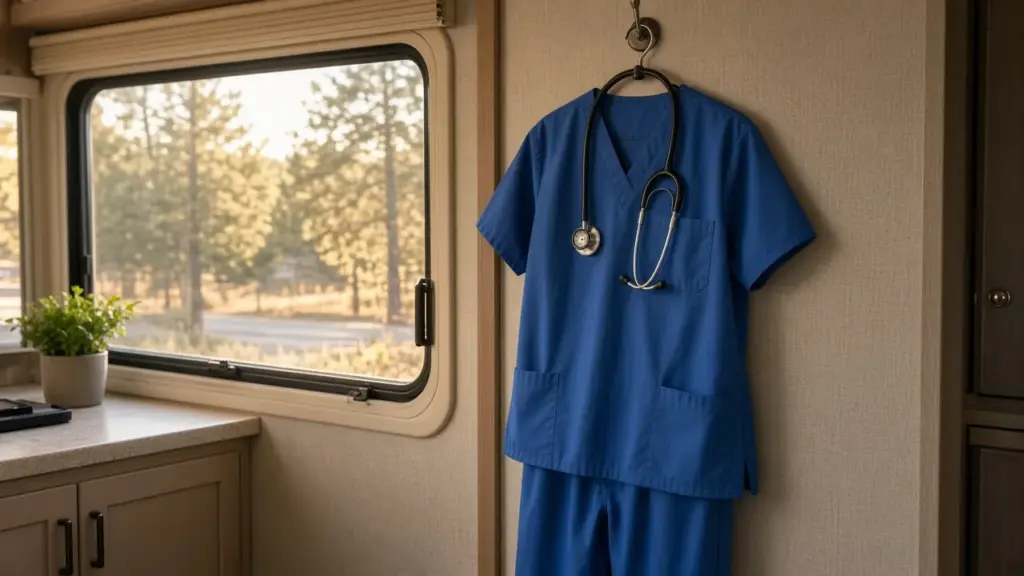
Travel nurses, respiratory therapists, techs, and other medical professionals often work contracts that last a few months. For many of them, an RV is the ideal home base. It offers a familiar bed after long shifts, a real kitchen, and the freedom to move when the next contract starts.
North of Houston, medical facilities in The Woodlands, Tomball, Conroe, and the wider region draw contract staff throughout the year. This guide covers what medical professionals should look for when choosing an RV park in the area and how to make RV life work around demanding shifts.
Why RV Living Works for Medical Contracts
Medical contracts typically run for a set number of weeks, sometimes with extensions. That rhythm fits RV living well.
- Your own space. After twelve hours of caring for others, coming home to your own bed and belongings matters.
- Predictable costs. A monthly site can make housing costs easier to plan than short-term rentals.
- Flexibility. When a contract ends, you can move on without breaking a lease on an apartment.
- Cooking at home. A kitchen helps you eat better during a demanding schedule.
The key is choosing a park that supports the way you actually live, including sleeping at unusual hours.
Sleep Comes First
Shift work is hard on sleep, and a noisy park makes it harder. Night shift staff need to sleep during the day, and day shift staff often need to be in bed early and up before dawn.
When evaluating a park, ask:
- Does the park focus on long-term residents or overnight travelers?
- What are the quiet hours, and are they enforced?
- How much traffic moves through the park during the day?
- Are there nearby sources of noise, such as highways or busy businesses?
At our park, quiet hours run from 8 p.m. to 8 a.m. and we do not accept overnight guests, which keeps turnover low. That will not make daytime completely silent, but a small park with ten sites and settled residents is generally calmer than a busy campground.
Make your RV sleep-friendly
- Install blackout curtains or window covers
- Use a fan or white-noise machine to mask outside sounds
- Keep the bedroom cool; a covered site helps reduce heat on the roof
- Put your phone on a schedule so only urgent calls come through
- Let your neighbors know you work nights; most people are happy to be considerate
Commuting to Medical Facilities
Magnolia sits in Montgomery County northwest of Houston. From here, residents commonly drive toward The Woodlands, Tomball, Conroe, Cypress, and north Houston. The main routes are FM 1774, FM 1488, and Texas 249.
Commute times change a lot with shift start times. A drive at 6 a.m. for a day shift may be quicker than the same drive at 7:30 a.m. Night shift staff often find that their commute runs against the heaviest traffic. Drive your route once at the time you will actually travel before you commit. Our pillar on RV living for workers and contractors north of Houston has more on commuting from Magnolia.
Setting Up for a Contract
A few preparations make contract life smoother.
Hookups and power
Know whether your RV uses 30-amp or 50-amp service and confirm what the site provides. Use a surge protector and a water pressure regulator. Our guide to RV hookups for long stays explains the essentials.
Uniforms and laundry
Scrubs pile up quickly. An on-site laundry room is a major time saver. Our park has two washers and two dryers in an air-conditioned room, so you can wash scrubs without driving to a laundromat.
Documents and credentials
Keep licenses, certifications, immunization records, and contract paperwork organized in a folder or scanned to secure digital storage. Credentialing often requires quick access to documents.
Meal planning
Batch cooking on days off keeps you from relying on vending machines and drive-throughs during long stretches of shifts.
Contracts, Extensions, and Early Endings
Medical contracts sometimes extend, and occasionally end early. Talk with park management about how monthly stays work and what notice is required. At our park, the security deposit may be refunded at departure if there is no damage and you give at least seven days’ notice.
If your agency provides a housing stipend, understand what it covers and what records you need. For tax questions about stipends, consult a qualified professional.
Applying as a Medical Professional
Long-term parks typically screen every applicant. Expect questions about occupants, vehicles, pets, your RV, and insurance, plus a background check. At our park, RVs must be fully self-contained, in good condition, and 15 years or newer, and each site allows up to two people, two pets, and two vehicles.
Apply as early as your contract start date allows. Small parks have limited openings, and residents tend to stay for a while. If the park is full, ask about the waitlist.
Arriving Before Your First Shift
Try to arrive a few days before your first shift. That gives you time to set up, find a grocery store and pharmacy, and drive your commute once. We ask that RVs arrive before 6 p.m. so setup happens in daylight. Our post on moving to Magnolia, TX with an RV covers the details, and our long-term RV living checklist helps with the first week.
Pets and Long Shifts
Many medical travelers bring a dog or cat along, and long shifts require extra planning. A twelve-hour shift plus commute can mean a pet is alone for a long stretch. Think about how your animal handles that before you arrive. Some travelers arrange a pet sitter or dog walker for longer days, while cat owners often find the schedule easier to manage.
Heat is the most important consideration in Texas. If the air conditioner stops or the power goes out while you are at work, an RV can become dangerously hot. A temperature monitor that sends alerts to your phone is a worthwhile investment, along with a backup plan for someone who can check on your pet. At our park, dogs must live primarily in the RV, stay leashed outside, and cannot be left outside unattended, and up to two friendly pets are allowed per site.
Taking Care of Yourself
Healthcare workers spend their days caring for others. RV life can support your own well-being if you build in simple routines: a set sleep schedule, regular meals, a short walk on days off, and time outdoors. The pine forests and lakes around Montgomery County offer good places to decompress.
Frequently Asked Questions
Is RV living practical for travel nurses?
For many, yes. An RV provides a consistent home base, a kitchen, and flexibility between contracts. A quiet long-term park helps with rest between shifts.
How can I sleep during the day in an RV?
Use blackout curtains, white noise, and a cool bedroom. Choosing a park with low turnover and fewer daytime disruptions also helps.
What should I bring to an RV park application?
Have identification, vehicle registrations, RV details, insurance information, and pet records ready. Expect a background check.
What if my contract ends early?
Talk to park management as soon as you know. At our park, the deposit may be refunded if there is no damage and you give at least seven days’ notice.
A Quiet Place to Come Home After a Shift
Magnolia’s Finest is a small, gated park for long-term residents, with eight covered sites, cement pads, and on-site laundry. If you are starting a medical contract north of Houston, tell us your dates and your RV. Learn more about long-term RV living in Magnolia.
Check Availability or call or text (281) 205-1959
Magnolia’s Finest RV Park · 32020 Old Hempstead Rd, Magnolia, TX 77355 · Contact us