
RV Cabinet, Drawer, and Door Hardware Fixes
September 12, 2026 · By Magnolia RV Park
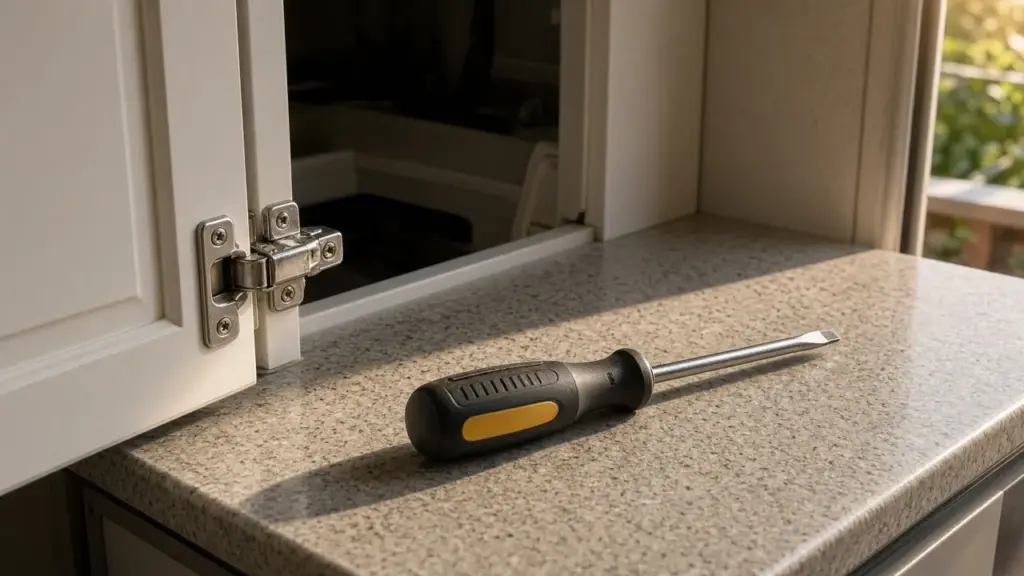
Cabinets, drawers, and doors get used many times a day in a full-time RV. Over time, hinges loosen, screws strip, drawer slides stick, and latches stop catching. RV hardware is often lighter than what you would find in a house, and the vibration of travel adds wear. Fortunately, most hardware problems are simple to fix with basic tools.
This guide covers common RV cabinet, drawer, and door hardware issues and how to fix them. For a complete maintenance routine, see our pillar, RV Maintenance for Full-Time Residents: The Complete Schedule.
Why RV Hardware Wears Out
RV cabinetry is designed to be lightweight. Many cabinets use thinner wood, particleboard, or composite materials. Screws may be driven into material that does not hold them tightly for long. Add daily use, temperature swings, and humidity, and hardware can loosen over time.
Basic Tools to Keep on Hand
- Screwdrivers, including square drive bits, which are common in RVs
- A cordless drill with a clutch setting
- Wood glue
- Wooden toothpicks or golf tees
- Replacement screws in a few sizes
- Silicone or dry lubricant
- A small level
Loose Cabinet Hinges
Loose hinges cause doors to sag or not close properly.
- Tighten the hinge screws gently. Do not overtighten, or you may strip the hole.
- If the screw spins without tightening, the hole is stripped.
Fixing Stripped Screw Holes
- Remove the screw.
- Dip a few wooden toothpicks in wood glue and insert them into the hole.
- Break them off flush and let the glue dry.
- Reinsert the screw.
For larger holes, a golf tee or wooden dowel can work. You can also use a slightly larger screw if the hardware allows.
Adjusting Hidden Hinges
Many RV cabinets use adjustable concealed hinges. Small screws on the hinge let you adjust the door up and down, side to side, and in and out. Make small adjustments until the door lines up.
Sticking Drawer Slides
Drawers that stick or will not close smoothly often need cleaning or lubrication.
- Remove the drawer.
- Clean dust and debris from the slides.
- Apply a dry lubricant or silicone spray, following product directions.
- Check that slides are securely mounted and tighten screws.
Drawers That Won’t Stay Closed
RV drawers often have latches or catches that keep them closed during travel. If a drawer will not stay closed:
- Check that the latch is aligned
- Tighten or adjust the catch
- Replace worn catches
If your RV is parked long-term, drawers staying closed is less critical, but it is still important for safety and before any move.
Cabinet Latches
Cabinet latches keep doors closed when the RV moves. If a latch does not catch:
- Adjust the strike plate
- Tighten loose screws
- Replace worn latches
Entry Door Problems
The entry door gets heavy use. Common issues include:
- Door not latching. Adjust the strike plate or tighten hinge screws.
- Sticking lock. Use a lock lubricant made for locks.
- Worn weatherstripping. Replace it to keep out drafts and water.
A door that does not seal can let in water, bugs, and hot air. Our post on utility setup on move-in day includes a check of doors and seals as part of settling in.
Interior Doors
Bathroom and bedroom doors can sag or stick over time. Tighten hinges and adjust strike plates. Pocket doors may need their tracks cleaned.
Humidity and Swelling
Southeast Texas humidity can cause wood and composite materials to swell, making doors and drawers stick. Controlling humidity with a dehumidifier and good ventilation helps. If a door sticks only during humid periods, it may return to normal when the air dries.
When the Problem Is Structural
If a door or drawer problem comes with soft spots, stains, or sagging floors, there may be water damage behind the scenes. Investigate promptly.
Keeping Track of Repairs
Record hardware repairs in your maintenance log. Our post on keeping a maintenance log for your RV explains how. Tracking repairs helps you spot recurring problems.
Preventing Hardware Problems
- Close cabinets and drawers gently
- Avoid overloading drawers and shelves
- Check and tighten hardware during monthly checks
- Control humidity
Related Care
While you are working on cabinets and doors, check other interior surfaces. Our post on caring for RV flooring and upholstery covers daily care. And do not forget exterior features; our post on awning care explains when to roll it in.
Upgrading Hardware
If your original hardware keeps failing, consider upgrading. Soft-close hinges and heavy-duty drawer slides can make cabinets more durable and pleasant to use. Stronger latches can keep doors and drawers secure if you plan to travel. Before buying, measure your existing hardware carefully and note the mounting style, since RV cabinets can use sizes that differ from household cabinetry. Replacing hardware is usually a simple project that can make an older RV feel newer.
Using a Drill Carefully
A cordless drill makes hardware work faster, but it can also cause damage in lightweight RV cabinetry. Use the clutch setting to limit torque so screws do not strip their holes or crack thin panels. Start at a low setting and increase only if needed. When driving screws into particleboard or composite materials, finish by hand with a screwdriver for better control.
Pre-drilling pilot holes helps prevent splitting when adding new screws. Choose a drill bit slightly smaller than the screw’s core diameter. Take your time, and double-check measurements before drilling, since holes in visible surfaces are hard to hide.
Squeaks and Rattles
Even when parked, RV doors and cabinets can develop squeaks and rattles. Hinges often squeak when they are dry or dirty. A small amount of lubricant applied to the hinge pin usually solves the problem. Rattling doors may have loose hardware or worn bumpers. Adding small felt or rubber bumpers inside cabinet doors can quiet them and protect the finish.
When to Call a Professional
Most hardware fixes are simple, but some problems benefit from professional help. If an entry door is badly misaligned, a frame is damaged, or you suspect water damage behind cabinetry, consider a qualified RV technician. Remember that extensive mechanic work is not allowed at our park, so plan larger repairs accordingly.
Keeping Spare Parts
RV hardware can be hard to find in regular hardware stores. When you find a hinge, latch, or catch that fits your cabinets, consider buying a few extras. Keeping spare parts on hand means you can fix a broken latch right away instead of waiting for an order to arrive. Store spares in a labeled container with your tools.
Frequently Asked Questions
How do I fix a stripped screw hole in an RV cabinet?
Fill the hole with glued wooden toothpicks, let it dry, and reinsert the screw.
Why do my RV drawers stick?
Dirt, lack of lubrication, loose slides, or humidity swelling can all cause sticking.
What tools should I keep for hardware fixes?
Screwdrivers, square drive bits, a cordless drill, wood glue, toothpicks, spare screws, and lubricant.
Can humidity affect RV cabinets?
Yes. Humidity can cause swelling. Use a dehumidifier and good ventilation.
Keep Your Home in Good Shape
Explore our amenities, review our park rules, or check availability.
Check Availability or call or text (281) 205-1959
Magnolia’s Finest RV Park · 32020 Old Hempstead Rd, Magnolia, TX 77355 · Contact us