
Why Long-Term RV Parks Set RV Age Limits
August 28, 2026 · By Magnolia RV Park
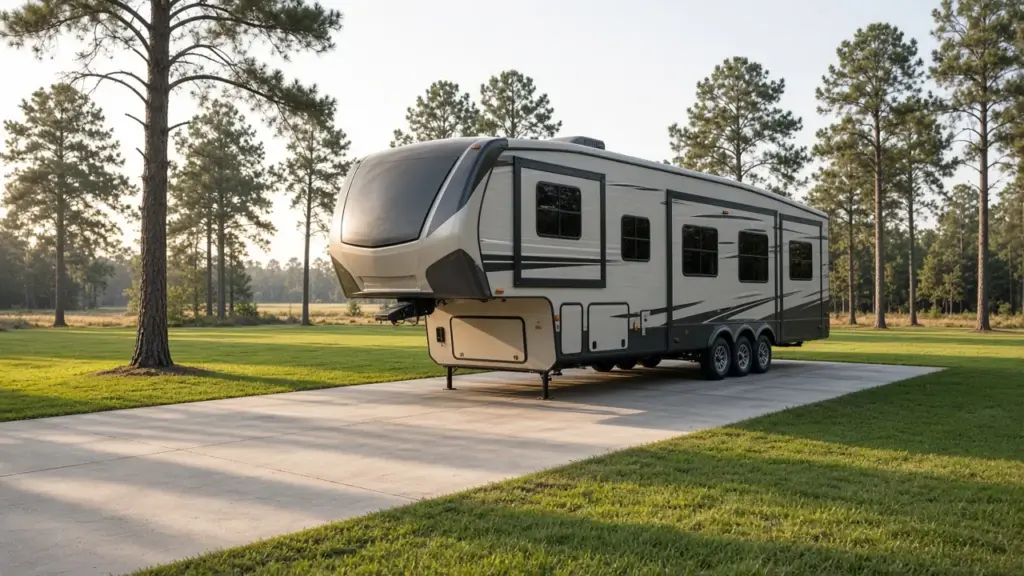
If you have searched for a long-term RV park, you have probably seen rules like “RVs must be 10 years old or newer” or “RVs over 15 years old require approval.” These age limits can be frustrating, especially if you own an older RV that you have maintained carefully. Understanding why parks set age limits helps you plan your search and know what to expect.
This guide explains why long-term RV parks set age limits and what they mean for you. For a complete overview of monthly stays, see our pillar, Monthly RV Living: The Complete Guide.
Our Park’s Requirement
At our park, RVs must be fully self-contained, in good condition, and 15 years old or newer. These requirements apply to all residents.
Why Parks Set Age Limits
Appearance
A park’s appearance affects the experience of every resident. Older RVs are more likely to show visible wear, such as faded paint, damaged siding, or deteriorating roofs. Age limits help parks maintain a consistent, attractive look.
Safety
Older RVs may have outdated electrical systems, aging propane lines, or worn components that increase the risk of fires or leaks. In a park where RVs sit close together, one resident’s safety issue can affect others.
Reliability of Systems
Holding tanks, plumbing, and electrical systems age over time. Older systems are more likely to leak or fail. Leaks from holding tanks or plumbing can affect the park’s grounds and septic system. Our park uses a septic system, so reliable plumbing matters.
Self-Containment
Long-term parks often require RVs to be fully self-contained, with working bathrooms and holding tanks. Older RVs are more likely to have systems that no longer work well.
Consistency and Fairness
A clear age rule is easy to apply consistently. Instead of judging each RV subjectively, parks use age as a straightforward standard, often combined with a condition requirement.
Abandonment Risk
Parks sometimes deal with RVs that are abandoned or left in poor condition. Age limits help reduce the chance of RVs that are near the end of their useful life being left behind.
Age Is Not the Only Factor
At our park, RVs must be in good condition in addition to meeting the age requirement. A newer RV in poor condition may not meet the standard. Keep your RV well maintained regardless of age.
Signs of Good Condition
Parks typically look for:
- Clean, intact exterior with no major damage
- A roof in good repair
- Working windows and doors
- Functional plumbing and holding tanks
- Safe electrical and propane systems
- No visible leaks or water damage
Our post on signs an RV park is well maintained explains how resident RVs contribute to the overall look of a park.
If Your RV Is Older
If your RV does not meet a park’s age requirement, you have a few options:
- Look for parks with different requirements
- Ask whether the park makes exceptions, though many do not
- Consider upgrading to a newer RV
At our park, the requirement is RVs 15 years old or newer.
Choosing an RV With Age Limits in Mind
If you are shopping for an RV to live in long-term, consider age limits at parks where you might live. A slightly newer RV may give you more options for years to come. Our post on travel trailer, fifth wheel, or motorhome for long-term living compares RV types.
Planning for the Future
RVs age every year. An RV that meets a 15-year rule today will eventually exceed it. If you plan to stay long-term, think ahead about when your RV might no longer meet requirements. Our post on when to renew your stay or move on discusses planning ahead.
Avoiding Surprises
One common first-timer mistake is not checking RV requirements before applying. Our post on long-term RV living mistakes first-timers make covers this and other pitfalls. Always confirm requirements before you apply.
How Age Limits Benefit Residents
While age limits might feel restrictive, they benefit residents in several ways. A park filled with well-maintained, newer RVs tends to look better, feel safer, and have fewer problems with leaks, electrical issues, and pests. Residents enjoy a more pleasant environment, and property values of the RVs themselves may be better protected in an attractive setting. When everyone meets the same standards, the whole community benefits.
Maintaining Your RV to Stay Eligible
Once you move in, keeping your RV in good condition helps you remain a good fit for the park. Regular maintenance of the roof, seals, plumbing, and exterior keeps your RV looking and working well. A maintenance log helps you stay on top of tasks and shows the care you have taken. If you notice damage, address it promptly rather than letting it worsen.
Good maintenance also protects your investment. A well-kept RV is more comfortable to live in, less likely to need costly repairs, and more valuable when it comes time to sell or trade.
Being Honest on Your Application
When applying to a park, provide accurate information about your RV’s year, make, and model. Parks may ask for photos or registration details. Being honest from the start avoids problems later and helps management confirm that your RV is a good fit for the community.
Understanding How Age Is Counted
Parks usually determine an RV’s age by its model year, which is listed on the title, registration, and often on a label inside the RV. Some parks count the current year minus the model year, while others may interpret the rule differently. If your RV is close to the limit, ask management exactly how age is calculated so there are no surprises. This is especially important if you plan to stay for a long time, since your RV will continue to age during your stay.
Renovated and Remodeled RVs
Some owners renovate older RVs with new flooring, paint, appliances, and furniture. These projects can make an older RV look and feel like new inside. However, many parks still apply age limits based on model year, since underlying systems like frames, roofs, and wiring may be original. If you have a renovated RV that exceeds a park’s age limit, ask management whether they consider exceptions, but be prepared for the answer to be no.
Weighing the Cost of Upgrading
If your RV no longer meets age requirements at parks you want to live in, weigh the cost of upgrading against the benefits. A newer RV may cost more upfront but can offer more reliable systems, better insulation, and access to a wider range of parks. For long-term residents, the added comfort and flexibility are often worth the investment.
Frequently Asked Questions
What is the RV age requirement at your park?
RVs must be 15 years old or newer, fully self-contained, and in good condition.
Why do parks set age limits?
For appearance, safety, system reliability, self-containment, consistency, and reducing abandonment risk.
Does condition matter as well as age?
Yes. RVs must be in good condition in addition to meeting the age requirement.
What if my RV is older than the limit?
Look for parks with different requirements or consider upgrading.
See If Your RV Is a Fit
Learn about long-term RV living in Magnolia, review sites and rates, or check availability.
Check Availability or call or text (281) 205-1959
Magnolia’s Finest RV Park · 32020 Old Hempstead Rd, Magnolia, TX 77355 · Contact us