
Car-Light Living: Managing RV Life With One Vehicle
August 26, 2026 · By Magnolia RV Park
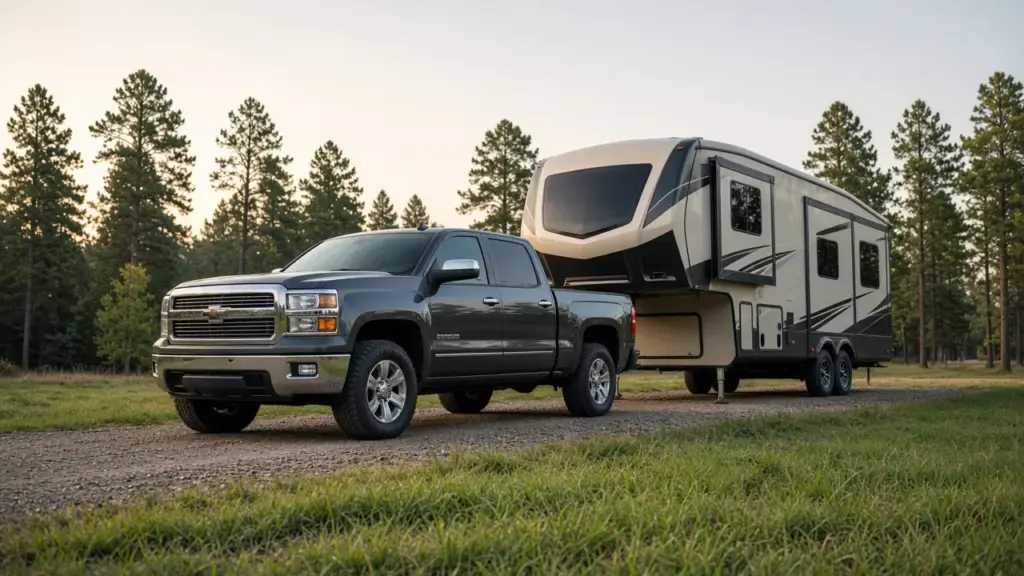
Many long-term RV residents have two vehicles: a tow vehicle or motorhome, plus a second car. But owning and maintaining two vehicles is expensive. Some residents choose to live car-light, managing with one vehicle for the household. It takes planning, but it can save money and simplify life.
This guide covers how to manage RV life with one vehicle. For a broader look at budgeting and planning, see our pillar, Full-Time RV Life on a Budget: Planning Money, Space, and Paperwork.
Why Go Car-Light?
Owning a vehicle involves many costs:
- Purchase price or loan payments
- Insurance
- Registration
- Fuel
- Maintenance and repairs
- Tires
Cutting down to one vehicle can significantly reduce monthly expenses. It also means less to maintain and fewer vehicles to park.
Who Car-Light Living Works For
Living with one vehicle works best for:
- Solo residents
- Couples who work near each other or have compatible schedules
- Remote workers who do not commute daily
- Travel trailer or fifth wheel owners whose tow vehicle serves as the daily driver
It can be harder for couples with different work locations and schedules.
Towable RVs and One Vehicle
If you live in a travel trailer or fifth wheel, your tow vehicle can be your daily driver once the RV is parked. This is one of the simplest ways to live with one vehicle.
Motorhomes and One Vehicle
Motorhome owners face a bigger challenge. Unhooking and driving the motorhome for errands is impractical for daily life. Many motorhome owners keep a second vehicle for this reason. If you live in a motorhome and want to go car-light, consider whether your routine allows it.
Sharing a Vehicle as a Couple
Sharing a vehicle requires coordination:
- Use a shared calendar for work, appointments, and errands
- Plan who needs the vehicle and when
- Consider carpooling to work if jobs are in the same direction
- Drop one partner off and pick them up if schedules allow
Clear communication helps prevent frustration.
Planning Errands
With one vehicle, planning errands efficiently matters:
- Combine errands into one trip
- Keep a running shopping list
- Shop less frequently but in larger quantities
- Plan trips around work commutes
Delivery and Pickup Options
Delivery services and curbside pickup can reduce trips. However, we do not claim mail or package acceptance at our park, so ask management about deliveries before relying on them. Our post on gate etiquette: codes, guests, and deliveries covers delivery considerations at a gated park.
Rideshares and Alternatives
For occasional needs, rideshare services may be an option. Availability varies in more rural areas, so plan ahead.
Savings From One Vehicle
Track the savings from living with one vehicle. Our post on tracking spending in RV life explains simple systems. Many residents are surprised at how much they save on insurance, fuel, and maintenance.
Insurance Considerations
Fewer vehicles can mean lower insurance costs, but make sure your remaining vehicle and RV are properly covered. At our park, residents need liability and property coverage at state minimums. Our post on RV insurance for full-time residents covers coverage types to ask about.
Park Vehicle Rules
At our park, each site allows up to 2 registered, running vehicles. Vehicles must be parked in designated areas, not on the grass or in empty lots. Extensive mechanic work and vehicle washing are not allowed on site. Living with one vehicle makes following these rules easier.
Maintaining Your One Vehicle
When you depend on a single vehicle, keeping it reliable is critical. Stay on top of oil changes, tire rotations, and inspections. Have a plan for what you will do if it needs repairs, such as borrowing a car, renting one, or using rideshares.
Emergencies
Having one vehicle means planning carefully for emergencies. During hurricane season, from June 1 to November 30, keep your vehicle fueled and ready. Know how you will evacuate with your household, pets, and emergency kit.
Planning for the Future
Car-light living can be a stepping stone toward other goals, like saving for a house. Our post on planning your next step after RV life discusses transitions.
Location Matters
Where you live affects how practical one vehicle is. In a small town, errands may require longer drives. Choose a park with reasonable access to work and services. Around Magnolia, residents often combine trips toward Tomball, The Woodlands, or Conroe.
Getting Started
If you currently have two vehicles and are considering going car-light, try a trial period first. Park the second vehicle for a month and see how your household manages with one. Note which situations are difficult, such as conflicting appointments or late shifts, and think about solutions. After the trial, you will have a realistic sense of whether selling the second vehicle makes sense.
If you decide to sell, use the money to build savings or pay down debt. Many residents find that the financial breathing room is well worth the extra planning.
Health and Lifestyle Benefits
Living with one vehicle can encourage a slower, more intentional lifestyle. Planning errands carefully often means fewer impulse purchases and less time spent driving. Some residents find they walk more, spend more time at home, and enjoy a simpler routine. For couples, coordinating schedules can even lead to more time together, whether carpooling to work or running errands side by side.
Handling Medical Appointments
Medical appointments can be tricky when you share a vehicle. Schedule routine appointments on days when the vehicle is available, and group them with errands when possible. Telehealth visits can reduce the need for trips for some types of care. For urgent needs, know your options in advance, including urgent care locations and how you would get there if the vehicle is unavailable. In a true emergency, always call 911.
Keeping a Backup Fund
A single vehicle means a single point of failure. If it breaks down, your whole household may be affected. Set aside part of the money you save by having one vehicle in a repair fund. That way, an unexpected repair does not turn into a financial crisis. Some residents also keep a list of nearby rental car locations and trusted mechanics so they can act quickly if problems arise.
Being Flexible
Car-light living works best with a flexible mindset. Some weeks will require more coordination than others, and occasional inconveniences are part of the trade-off. Many residents find that the savings and simplicity are well worth a little extra planning.
Asking Neighbors
In a small community, neighbors sometimes help one another with occasional rides. Never rely on it, but building friendly relationships can make a vehicle breakdown or schedule conflict much easier to handle.
Frequently Asked Questions
Can I live in an RV with only one vehicle?
Yes, especially with a towable RV whose tow vehicle serves as your daily driver.
How many vehicles are allowed per site?
Up to 2 registered, running vehicles per site.
Does the park accept deliveries?
We do not claim mail or package acceptance. Ask management about deliveries.
What should I do if my only vehicle breaks down?
Have a backup plan, such as borrowing a car, renting one, or using rideshares.
Live Simply in Magnolia
Learn about long-term RV living in Magnolia, review sites and rates, or check availability.
Check Availability or call or text (281) 205-1959
Magnolia’s Finest RV Park · 32020 Old Hempstead Rd, Magnolia, TX 77355 · Contact us