
RV Breakers and GFCIs: Troubleshooting Tripped Circuits
August 14, 2026 · By Magnolia RV Park
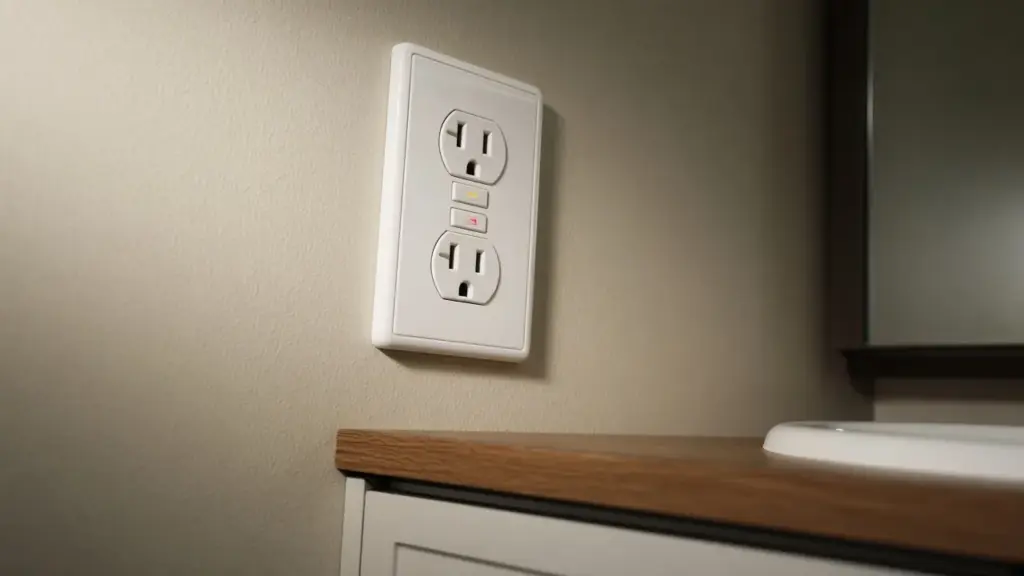
Few things are more frustrating than losing power to part of your RV, especially on a hot Texas afternoon. Tripped breakers and GFCI outlets are common in RVs, and most of the time they are easy to fix. Understanding how these safety devices work and why they trip helps you troubleshoot safely and know when a problem needs professional attention.
This guide explains RV breakers and GFCIs, common reasons they trip, and safe troubleshooting steps. For an overview of park hookups, see our pillar, RV Hookups Explained: Electric, Water, and Sewer for Long Stays.
Safety First
Electricity can be dangerous. If you are unsure about any step, stop and call a qualified RV technician or electrician. Never open electrical panels or work on wiring unless you are qualified. Never tamper with park hookups, which is prohibited at our park. If the problem appears to be with the park’s pedestal or power supply, contact management.
How RV Electrical Systems Work
Most RVs have two electrical systems:
- 120-volt AC system. Powers outlets, air conditioners, microwaves, and other household-style appliances. This system is fed by shore power from the park pedestal or a generator.
- 12-volt DC system. Powers lights, fans, the water pump, and control boards. This system runs off your batteries, which are charged by a converter when you are plugged in.
Breakers protect the 120-volt system, while fuses usually protect the 12-volt system.
What Breakers Do
Circuit breakers protect wiring from overheating by cutting power when too much current flows through a circuit. Your RV has a main breaker and individual branch breakers for different circuits. The park pedestal also has breakers.
What GFCIs Do
Ground fault circuit interrupters, or GFCIs, protect people from electric shock. They monitor the flow of electricity and cut power if they detect current leaking to the ground, such as through water or a person. GFCI outlets are often found in bathrooms, kitchens, and outdoor outlets. One GFCI outlet may protect several other outlets downstream.
Common Reasons Breakers Trip
Overloading
The most common cause is running too many high-demand appliances at once. Air conditioners, microwaves, electric water heaters, hair dryers, and space heaters draw a lot of power. Note that space heaters are prohibited at our park.
Short Circuits
A short circuit occurs when a hot wire touches a neutral or ground wire, causing a surge of current. This can happen with damaged cords or faulty appliances.
Faulty Appliances
An appliance with an internal problem may trip a breaker every time it is used.
Worn Breakers
Breakers can wear out over time and trip more easily.
Common Reasons GFCIs Trip
Moisture
Water and humidity are common culprits. Outdoor outlets, bathroom outlets, and connections exposed to rain can trip GFCIs. Southeast Texas humidity can make this more frequent.
Faulty Devices
An appliance or cord with a ground fault will trip the GFCI.
Worn GFCI Outlets
GFCI outlets can wear out and become overly sensitive.
Troubleshooting a Tripped Breaker
- Turn off or unplug appliances on the affected circuit.
- Locate your RV’s breaker panel and find the tripped breaker. It may be in the middle position or off.
- Reset the breaker by switching it fully off, then back on.
- Turn on appliances one at a time to see if one causes the trip.
- Reduce load by avoiding running several high-demand appliances at once.
If the main breaker in your RV trips, or if the breaker at the pedestal trips repeatedly, contact management rather than attempting to fix park equipment.
Troubleshooting a Tripped GFCI
- Find the GFCI outlet. It may be in the bathroom, kitchen, or outside. One GFCI may control several outlets.
- Unplug devices from affected outlets.
- Press the reset button.
- Plug devices back in one at a time to identify any faulty device.
- Check for moisture around outdoor outlets and connections.
If the GFCI will not reset or trips immediately with nothing plugged in, there may be a wiring or moisture problem. Call a technician.
Managing Power Use
To avoid tripped breakers:
- Do not run the air conditioner, microwave, and electric water heater at the same time
- Know which appliances draw the most power
- Stagger use of high-demand appliances
- Use energy-efficient devices
Entertainment systems usually draw modest power, but it helps to know your setup; our post on TV options for RV living discusses different options.
Cords, Adapters, and Surge Protection
Use properly rated cords and adapters. Inspect cords for damage or heat marks. Never run cords from other sites, which is prohibited at our park. Many RVers use surge protectors to guard against voltage problems.
Generators and Solar
If you use a generator or solar system, they add complexity to your electrical setup. Our posts on generator etiquette at RV parks and solar panels for a parked RV cover related considerations. Never connect these to park infrastructure.
When to Call a Professional
Call a qualified technician if:
- Breakers trip repeatedly with normal use
- You smell burning or see scorch marks
- Outlets or cords feel hot
- A GFCI will not reset
- You are unsure about any step
Utilities at Our Park
Utilities are confirmed per site at our park. Ask management about electrical service at your site before assuming what appliances you can run simultaneously.
Summer Heat and Electrical Demand
Southeast Texas summers put extra strain on RV electrical systems. Air conditioners run for long hours, often at full capacity during the hottest part of the day. When you add a microwave, coffee maker, or electric water heater on top of that, it is easy to exceed a circuit’s capacity. Many residents find that breakers trip more often in summer simply because of higher demand.
A few habits help. Pre-cool your RV in the morning before the afternoon heat peaks. Switch your water heater to propane during the hottest months if your RV allows it, freeing up electrical capacity. Cook with the microwave or electric appliances when the air conditioner is cycling off, or use outdoor cooking options if permitted by management. Keep air conditioner filters clean so the unit runs efficiently and draws less power.
Understanding Your 12-Volt System
Not every power problem is a tripped breaker. If your lights, fans, or water pump stop working while outlets still have power, the issue may be in your 12-volt system. Check your battery charge, battery disconnect switch, and fuses. A blown fuse usually shows a broken metal strip inside. Replace fuses only with the same rating. If fuses keep blowing, there may be a short that needs professional attention. A weak or failing battery can also cause flickering lights and erratic behavior from control boards, even when you are plugged into shore power.
Keeping a Record
Note each time a breaker or GFCI trips, including the date and what was running. Patterns help you or a technician identify the cause.
Frequently Asked Questions
Why does my RV breaker keep tripping?
Common causes include overloading, faulty appliances, short circuits, and worn breakers.
Why does my GFCI trip when it rains?
Moisture can cause ground faults, especially in outdoor outlets and connections.
What should I do if the pedestal breaker trips?
Contact management rather than attempting to fix park equipment.
Are space heaters allowed?
No. Space heaters are prohibited at our park.
Learn More About Our Park
Read our FAQ, explore our amenities, or check availability.
Check Availability or call or text (281) 205-1959
Magnolia’s Finest RV Park · 32020 Old Hempstead Rd, Magnolia, TX 77355 · Contact us