
Planning Ahead for Pet Emergencies in an RV
August 2, 2026 · By Magnolia RV Park
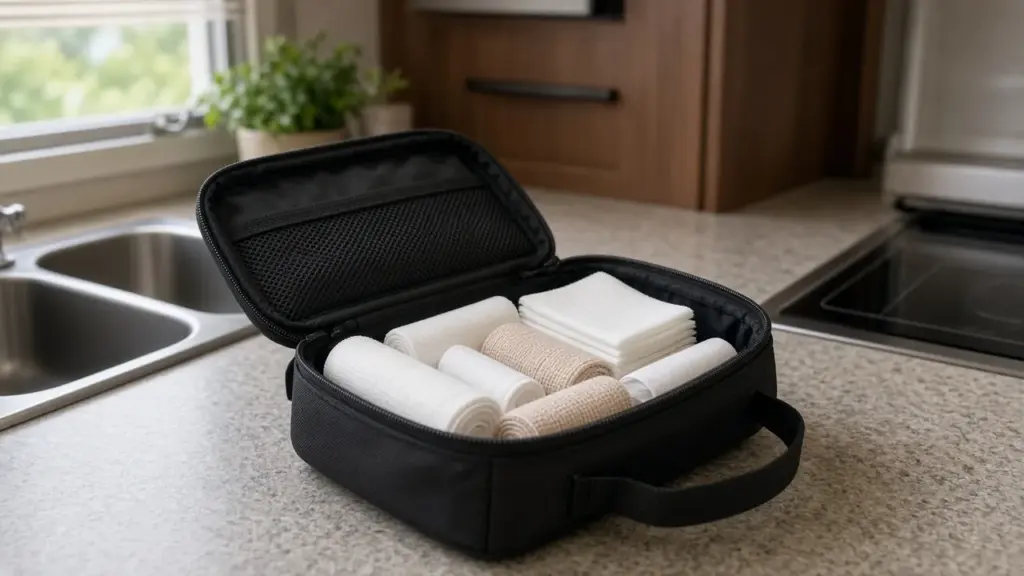
Pets are family, and when something goes wrong, every minute counts. For RV residents, pet emergencies can feel especially stressful if you are new to an area, do not know where the nearest emergency vet is, or face severe weather. Planning ahead helps you act quickly and calmly when your pet needs help.
This guide covers how to prepare for pet emergencies while living in an RV. For a complete overview of pets in long-term RV life, see our pillar, Long-Term RV Living With Dogs and Cats: A Practical Guide.
Find Veterinary Care Before You Need It
One of the most important steps is identifying veterinary care as soon as you settle in.
- Regular vet. Establish care with a local veterinarian for checkups, vaccinations, and routine needs.
- Emergency vet. Find the nearest 24-hour emergency animal hospital. Save the address and phone number in your phone.
- Poison control. Save the number for an animal poison control hotline.
Do not wait until an emergency to search for help. Knowing where to go saves precious time.
Keep Records Accessible
Keep your pet’s records organized and easy to grab:
- Vaccination records
- Medical history and current medications
- Microchip number
- Recent photos of your pet
- Vet contact information
Store paper copies in a waterproof folder and digital copies on your phone.
Build a Pet First Aid Kit
A pet first aid kit can help you manage minor injuries and stabilize your pet until you reach a vet. Include:
- Gauze, bandages, and medical tape
- Antiseptic wipes
- Tweezers for removing splinters or ticks
- Digital thermometer
- Saline solution
- A towel or blanket
- A muzzle, since injured pets may bite
- Any prescription medications
- Your vet’s contact information
Ask your vet about what else to include for your pet’s specific needs.
Common Pet Emergencies
Knowing the signs of common emergencies helps you respond quickly:
- Heatstroke. Heavy panting, drooling, weakness, vomiting, or collapse.
- Poisoning. Vomiting, drooling, tremors, or unusual behavior after contact with toxins.
- Injuries. Bleeding, limping, or wounds.
- Breathing difficulty. Labored breathing, coughing, or choking.
- Bloat in dogs. Swollen belly, restlessness, and unproductive retching.
- Seizures. Uncontrolled shaking or loss of consciousness.
Contact a vet immediately if you notice any of these signs.
Heat Safety
Southeast Texas heat is one of the biggest risks for pets. RVs can heat up quickly if the air conditioning fails.
- Keep your RV cool with your built-in air conditioning. Window AC units are not allowed at our park.
- Use a temperature monitor that sends alerts to your phone.
- Have a backup plan if the power goes out.
- Walk pets in cooler parts of the day.
The park is not responsible for pets left in the RV, so plan carefully for their safety when you are away.
Weather Emergencies
Hurricanes, flooding, and severe storms can require evacuation. Include your pets in your plan:
- Keep carriers or crates ready
- Pack pet food, water, and medications
- Know which shelters or hotels accept pets
- Make sure pets wear ID tags and are microchipped
Never leave pets behind during an evacuation.
A Backup Care Plan
What would happen to your pet if you were injured, hospitalized, or delayed at work? Arrange a backup caregiver, such as a trusted friend, neighbor, or pet sitter. Share your pet’s routine, medications, and vet information with them.
Special Considerations for Puppies and Seniors
Puppies are curious and prone to chewing hazards, while senior pets may have chronic conditions that require extra attention. Our posts on raising a puppy in an RV and senior pets and RV living cover their specific needs.
Preventing Emergencies
Many emergencies can be prevented:
- Keep toxic foods, chemicals, and medications out of reach
- Keep dogs leashed outside, as required at our park
- Never leave pets outside unattended
- Keep pets away from park animals and electric fencing
- Stay current on vaccinations and parasite prevention
Park Pet Policies
At our park, each site may have up to 2 pets, and aggressive breeds are not allowed. Our post on why RV parks restrict aggressive breeds explains the reasoning. Dogs live primarily inside, are leashed outside, and are never left outside unattended. Owners pick up after their pets.
Planning Before You Move
If you are searching for a new park, consider pet emergency resources as part of your search. Our post on planning your search timeline for a monthly RV site can help you build in time to research vet options.
Budgeting for Emergencies
Emergency vet care can be costly. Set aside money for unexpected pet expenses, or look into pet insurance. Having a plan for costs reduces stress during an emergency.
Staying Calm in the Moment
When an emergency happens, it is natural to panic. Having a plan helps you stay focused. Take a deep breath, keep your pet as calm and still as possible, and call your vet or the emergency clinic while you prepare to leave. Many clinics can give you instructions over the phone and prepare for your arrival. Drive carefully; getting into an accident on the way helps no one.
If your pet is injured and frightened, handle them gently. Even the sweetest pet may bite when in pain. Use a towel or blanket to carry small animals, and use a muzzle only if your pet is not vomiting or having trouble breathing.
Wildlife and Outdoor Hazards
Living in pine country means sharing the area with wildlife. Snakes, insects, and other animals can pose risks to pets, especially curious dogs who investigate brush and tall grass. Keeping dogs leashed outside, as required at our park, helps you control where they go and pull them away from potential hazards. Learn to recognize signs of a snake bite, such as sudden swelling, pain, or bleeding, and seek veterinary care immediately if you suspect one.
Fire ants are common in Southeast Texas and can sting pets repeatedly. Watch where your pet walks and steer clear of mounds. Ticks, fleas, and mosquitoes also carry diseases, so year-round parasite prevention is important. After walks, check your pet for ticks, especially around the ears, neck, and paws.
Practicing Your Plan
Just like a fire drill, practicing your pet emergency plan helps it become second nature. Make sure your pet is comfortable getting into a carrier or crate, since a frightened animal may resist in a real emergency. Practice loading pets into your vehicle and time how long it takes to grab your emergency supplies. Small rehearsals make real emergencies less chaotic.
Frequently Asked Questions
How do I find an emergency vet near the park?
Search for a 24-hour emergency animal hospital as soon as you settle in and save the information in your phone.
What should be in a pet first aid kit?
Gauze, bandages, antiseptic wipes, tweezers, a thermometer, saline, a towel, a muzzle, medications, and vet contact information.
Can I leave my pet in the RV while at work?
Yes, but plan for their comfort and safety. The park is not responsible for pets left in the RV.
How many pets are allowed per site?
Up to 2 pets per site, and aggressive breeds are not allowed.
Bring Your Pets Home to Magnolia
Read our FAQ, review our park rules, or check availability.
Check Availability or call or text (281) 205-1959
Magnolia’s Finest RV Park · 32020 Old Hempstead Rd, Magnolia, TX 77355 · Contact us