
Pets Around Park Animals and Fencing
June 25, 2026 · By Magnolia RV Park
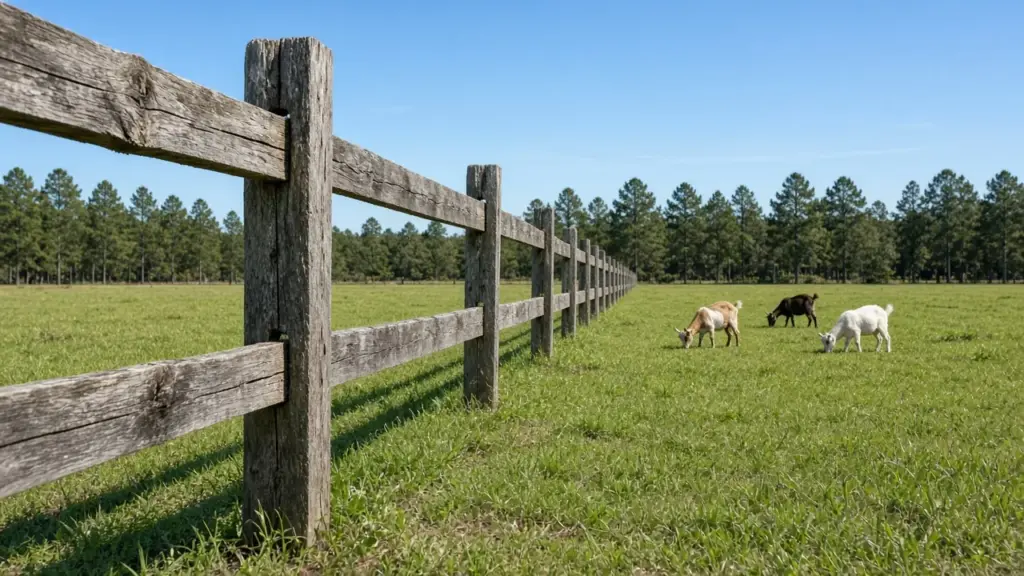
Some RV parks have more than just RVs and residents. At Magnolia’s Finest, there are resident park animals on the property, a treat bin at the gate for them, and some electric fencing. For pet owners, that means a little extra awareness is needed to keep everyone safe: your pets, the park animals, and your neighbors.
This guide covers how to manage your pets around park animals and fencing. For a broad look at life with pets in an RV, start with our pillar, Long-Term RV Living With Dogs and Cats: A Practical Guide.
Why This Matters
Dogs and cats can react strongly to unfamiliar animals. A dog that has never seen a larger animal up close may bark, lunge, or pull hard on the leash. Park animals may also react to dogs. Fencing, especially electric fencing, can surprise a curious pet. With some preparation and consistent habits, these situations are easy to manage.
Know the Park’s Rules
At our park, dogs live primarily inside, are leashed outside, and are never left outside unattended. Owners pick up after their pets, aggressive breeds are not allowed, and each site allows up to 2 pets. These rules help keep everyone safe, including the park animals.
If you have questions about the park animals or where it is appropriate to walk your dog, ask management.
Understanding Electric Fencing
Some fencing on the property is electric. Electric fences deliver a brief shock when touched. They are designed to contain animals, not to harm them, but the shock can startle and frighten a pet or a person.
Tips for pet owners:
- Keep dogs leashed and away from fence lines.
- Do not let dogs sniff or mark fence posts.
- Supervise children and remind visitors that some fencing is electric.
- Never try to cross, move, or adjust fencing.
If a fence appears damaged or down, report it to management right away.
Introducing Your Pet to Park Animals
Introduce your dog to the park animals gradually and from a safe distance:
- Start far away. Let your dog observe the animals from a distance where they remain calm.
- Reward calm behavior. Treats and praise help your dog associate the animals with positive experiences.
- Shorten the distance slowly over several days or weeks, as long as your dog stays relaxed.
- Watch body language. Stiffening, fixed staring, raised hackles, or lunging are signs to increase distance.
- Keep sessions short.
Never let your dog chase, bark at, or harass park animals. If your dog becomes overexcited, calmly move away and try again another time.
The Treat Bin at the Gate
There is a treat bin at the gate for the park animals. Use only the treats provided for the park animals, and follow any guidance from management. Do not feed park animals your pet’s food, table scraps, or other items, which can make them sick.
Keep your own pet’s food and treats separate and stored in airtight containers inside your RV. Our post on feeding and storing pet food has tips.
Cats and Park Animals
Cats that live indoors typically observe park animals through windows. That can be entertaining for a cat, but some may become stressed. Provide hiding spots and perches so your cat can choose how much to watch.
Picking Up After Your Pet
Waste cleanup is especially important around shared areas and animal spaces. Always carry bags, pick up after your dog immediately, and dispose of waste properly. Our post on picking up after your dog at an RV park explains best practices.
Neighbors and Their Pets
Park animals are just one part of the picture. Your neighbors may have pets too. Introduce pets carefully and respect neighbors who prefer not to interact. Our post on introducing your pet to RV park neighbors covers those meetings.
Safety First
If a situation ever feels unsafe, such as a dog getting loose near park animals or an animal escaping a fence, stay calm and contact management right away. Do not try to handle large animals yourself.
A Unique Part of Park Life
Many residents enjoy having park animals around. They add character and charm to the property, and watching them can be a relaxing part of daily life. With a little care, pets and park animals can coexist peacefully.
When comparing parks, features like these are worth considering alongside practical amenities. Our post on RV park amenities that actually matter explains what to look for in a long-term park.
Training Tips for Calm Behavior
Basic obedience makes life around park animals much easier. Commands like “sit,” “leave it,” and “look at me” help you redirect your dog’s attention when something exciting appears. Practice these commands in quiet settings first, then gradually add distractions. Short, frequent training sessions with small treats work well.
A well-fitted harness or head halter can give you more control on walks, especially with strong or excitable dogs. Retractable leashes are less ideal near animals and fencing because they make it harder to keep your dog close. A standard leash of about six feet gives you better control.
If your dog continues to react strongly to animals despite your efforts, consider working with a professional trainer. Many trainers specialize in reactive dogs and can help you build a plan that fits your situation.
Helping Visitors Understand the Rules
Friends and family who visit may not know about the park animals or the electric fencing. Before guests arrive, let them know what to expect. Explain that some fencing is electric, that park animals should only be given treats from the bin at the gate, and that dogs must stay leashed outside. If visitors bring their own dogs, remind them of the same rules. Clear communication prevents accidents and keeps visits pleasant for everyone. Remember that unregistered guests may stay no more than 5 consecutive days at our park.
Reading Your Pet’s Signals
Every pet is different. Some dogs are curious and calm around larger animals, while others are fearful or overexcited. Learn your pet’s signals. A relaxed dog has a loose body, soft eyes, and a gently wagging tail. A stressed dog may tuck its tail, pin its ears back, yawn, lick its lips, or try to hide behind you. An overexcited dog may bounce, whine, or pull hard toward the animal. Responding early to these signals, by adding distance or ending the encounter, keeps situations from escalating.
Consistency Over Time
The more consistent you are, the faster your pet will adjust. Walk the same routes, use the same commands, and reward calm behavior every time. Most pets become comfortable with park animals within a few weeks.
Frequently Asked Questions
Are there animals at Magnolia’s Finest?
Yes. The park has resident animals, and a treat bin is located at the gate for them.
Is the fencing electric?
Some fencing is electric. Keep dogs leashed and away from fence lines, and supervise children.
Can I feed the park animals?
Use only the treats provided in the bin at the gate, and follow management’s guidance.
What should I do if my dog gets loose near park animals?
Stay calm, try to regain control safely, and contact management right away.
Bring Your Pets to Magnolia’s Finest
Magnolia’s Finest RV Park welcomes responsible pet owners in a small, gated long-term community. Review our park rules, read the FAQ, or check availability.
Check Availability or call or text (281) 205-1959
Magnolia’s Finest RV Park · 32020 Old Hempstead Rd, Magnolia, TX 77355 · Contact us