Handling Conflicts With RV Park Neighbors
May 1, 2026 · By Magnolia RV Park
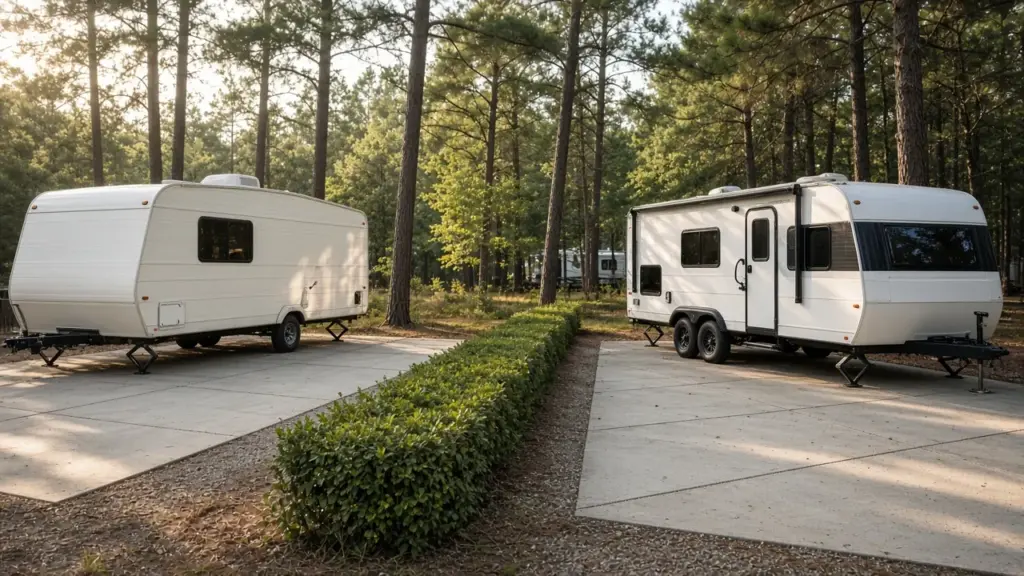
In a small RV park, neighbors live close together. Most of the time that closeness is a benefit: people look out for each other, share tips, and build a real sense of community. But living a few feet apart also means that small annoyances can grow into real conflicts if they are not handled well.
This guide covers how to handle conflicts with RV park neighbors calmly and fairly, from common issues like noise and pets to knowing when to involve management. For background on how long-term parks screen and welcome residents, see our pillar on applying to a long-term RV park.
Why Conflicts Happen in RV Parks
Most conflicts are not about bad people. They are about different habits and expectations in a shared space. One neighbor wakes early for work, another works nights. One loves their dog, another is nervous around animals. One likes to chat, another values privacy.
Common sources of friction include:
- Noise, especially during quiet hours
- Barking dogs or pets off leash
- Pet waste not picked up
- Parking in the wrong place or on the grass
- Speeding through the park
- Clutter or items stored outside
- Shared facilities like the laundry room
- Guests who stay too long
Clear park rules prevent many of these problems. At our park, quiet hours run from 8 pm to 8 am, the speed limit is 10 mph, dogs are leashed outside, and items cannot be stored on or under the site. When everyone knows the rules, there is less room for misunderstanding.
Start With Empathy
Before approaching a neighbor, take a moment to consider their perspective. Are they aware of the problem? Could there be a reason you do not know about? A dog barking all day might mean the owner does not realize it happens while they are at work. A late-night noise might be a one-time event.
Assuming good intent sets a better tone for the conversation and makes a positive outcome more likely.
Talk Directly, Calmly, and Early
For most minor issues, a friendly, direct conversation is the best first step. Address problems early, before frustration builds.
Tips for a productive conversation:
- Choose a good time. Avoid approaching someone when they are rushing, upset, or just getting home.
- Keep it private. Talk one-on-one rather than in front of others.
- Use “I” statements. Say “I have trouble sleeping when music is playing after 8” instead of “You’re always so loud.”
- Be specific. Describe the issue and how it affects you.
- Listen. Give your neighbor a chance to respond and share their side.
- Suggest a solution. Offer a reasonable way to fix the problem.
Most neighbors appreciate being told directly and will make an effort to fix the issue.
Common Situations and How to Handle Them
Noise
RV walls are thin, and sound travels. If noise is a problem, mention it politely and reference quiet hours if relevant. If you are the one making noise, keep volume down, use headphones late at night, and avoid running loud equipment during quiet hours.
Pets
Pet issues are among the most common conflicts. If a dog barks constantly, the owner may not know. If waste is not being picked up, a gentle reminder often works. At our park, dogs live primarily inside, are leashed outside, and are never left outside unattended, and owners must pick up waste.
Shared Laundry Room
Laundry rooms can spark small conflicts when machines are occupied or clothes are left behind. Our post on shared laundry room etiquette covers how to keep things running smoothly. Remember that pets and smoking are not allowed in the laundry room.
Parking and Driving
Parking in the wrong spot, on the grass, or in empty lots creates problems for everyone. Our park does not allow driving or parking on the grass or in empty lots, and each site allows up to 2 registered, running vehicles.
Items Around Sites
Clutter around a site can affect neighbors and the park’s appearance. Our park does not allow items on or under the site, such as furniture, sheds, storage boxes, or tarps. Our post on what not to store under your RV explains why.
When to Involve Management
Not every issue should be handled neighbor to neighbor. Contact park management if:
- A direct conversation did not solve the problem.
- The issue involves a clear rule violation.
- You feel unsafe or threatened.
- The problem affects multiple residents.
- The conversation could escalate.
When you contact management, stick to facts: what happened, when, and how it affected you. Avoid exaggeration or personal attacks. Management can address rule violations fairly and consistently.
For maintenance-related issues, such as a broken gate or a problem with shared facilities, use the proper process. Our post on reporting maintenance issues explains how.
Safety First
If a conflict involves threats, violence, or illegal activity, contact local law enforcement immediately, then notify management. Your safety comes first. Do not try to handle a dangerous situation on your own.
Being a Good Neighbor Yourself
The best way to reduce conflict is to be the kind of neighbor you would want to live next to. Follow park rules, keep noise down during quiet hours, manage your pets, keep your site tidy, and drive slowly. Say hello, be friendly, and offer help when you can.
If a neighbor approaches you with a concern, listen without getting defensive. Thank them for telling you and make an honest effort to fix the problem.
Guests and Visitors
Guests can be a source of friction when they are loud, park in the wrong place, or stay longer than expected. At our park, unregistered guests may stay no more than 5 consecutive days, and subletting is not allowed. If you have visitors, let them know the park rules ahead of time, including quiet hours, the 10 mph speed limit, and where to park. Being clear up front prevents awkward conversations with neighbors later and helps your guests feel welcome.
Preventing Conflicts Before They Start
Many conflicts can be avoided with a little communication at the start. When a new neighbor moves in, introduce yourself and share any helpful information, such as when you usually leave for work or whether you have pets. Small courtesies, like giving a heads-up before a delivery truck arrives or a family visit, build goodwill. When neighbors know and like each other, small issues are easier to resolve with a friendly word.
Letting Go
Sometimes a small annoyance is not worth a confrontation. If an issue is minor and occasional, it may be better to let it go. Living in close quarters requires a little flexibility from everyone. Save your energy for issues that truly matter.
Frequently Asked Questions
What are quiet hours at Magnolia’s Finest?
Quiet hours are from 8 pm to 8 am.
Should I talk to my neighbor or management first?
For minor issues, a calm, direct conversation is usually best. Involve management if the problem continues, involves a rule violation, or feels unsafe.
What if my neighbor’s dog barks all day?
Let the owner know politely, since they may not realize it happens while they are away. If it continues, contact management.
What should I do if I feel unsafe?
Contact local law enforcement immediately, then notify park management.
How can I avoid conflicts with neighbors?
Follow park rules, keep noise down, manage pets, keep your site tidy, and communicate respectfully.
Join a Respectful Community
Magnolia’s Finest RV Park is a small, gated long-term community built on clear rules and good neighbors. Review our park rules, start an application, or check availability.
Check Availability or call or text (281) 205-1959
Magnolia’s Finest RV Park · 32020 Old Hempstead Rd, Magnolia, TX 77355 · Contact us