
Buying a Used RV for Full-Time Living: Inspection Checklist
April 5, 2026 · By Magnolia RV Park
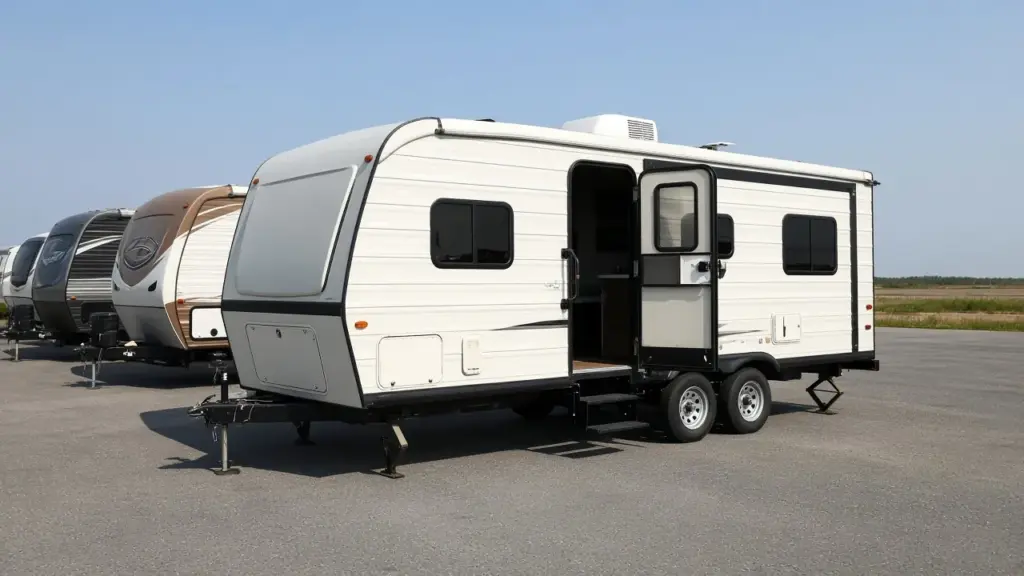
A used RV can be a smart way to start full-time living. You avoid the steepest depreciation, and you may get more space or features for your budget. But used RVs can also hide expensive problems, especially water damage. When you plan to live in the RV every day, a careful inspection is essential.
This guide offers a practical inspection checklist for buying a used RV for full-time living. It is general guidance; a professional inspection is always recommended. For a broader money framework, see our pillar on full-time RV life on a budget.
Check Park Requirements First
Before shopping, know the requirements of parks where you want to live. At Magnolia’s Finest, RVs must be fully self-contained, in good condition, and 15 years old or newer. An older RV might be cheaper but limit your park options. Our post on financing an RV you plan to live in covers other questions to ask before buying.
Hire a Professional Inspector
A certified RV inspector can find issues you might miss. Inspections often include roof, systems, appliances, and fluid analysis for motorhomes. The cost is small compared with the cost of hidden repairs.
Roof Inspection
The roof is one of the most important areas to inspect:
- Look for cracks, tears, or bubbling in the membrane
- Check sealant around vents, skylights, and seams
- Look for soft spots when pressing gently (only if safe to access)
- Check the ceiling inside for stains
Water Damage
Water damage is the most common and costly hidden problem in used RVs. Look for:
- Stains on ceilings and walls
- Soft or spongy floors, especially near doors, windows, and the bathroom
- Delamination, where exterior walls bubble or separate
- Musty smells
- Rust on screws or hardware inside
Press on walls and floors around windows, doors, and slide-outs. A moisture meter can help detect hidden moisture.
Slide-Outs
Test every slide-out. Check that it moves smoothly, seals tightly, and does not leak. Look under slides for rot or damage.
Electrical Systems
- Test all outlets and lights
- Check the converter and battery system
- Inspect the power cord and plug
- Test the generator if equipped
- Look for signs of rodent damage to wiring
Plumbing
- Run water from every faucet and shower
- Check for leaks under sinks and around the toilet
- Test the water pump
- Check the water heater on both electric and propane if equipped
- Inspect tanks and valves for leaks
Appliances
Test every appliance:
- Air conditioner (critical in Southeast Texas)
- Furnace
- Refrigerator on all modes
- Stove and oven
- Microwave
- Washer and dryer, if equipped
Propane System
Have the propane system inspected for leaks. Test the LP gas detector and carbon monoxide detector. Check cylinder dates.
Tires
Check tire age, tread, and sidewalls. Tires can be unsafe due to age even with good tread. Replacing a full set is expensive, so factor it into your budget.
Chassis and Engine (Motorhomes)
For motorhomes, have a mechanic inspect the engine, transmission, brakes, and suspension. Review maintenance records.
Frame and Undercarriage
Look for rust, damage, or sagging. Check the hitch and landing gear on towables.
Windows and Doors
Check that windows open, close, and seal properly. Inspect door seals and locks. Our posts on seal maintenance explain what good seals look like.
Pests
Look for droppings, chewed materials, or nests in cabinets and compartments. Insects and rodents can cause hidden damage.
Layout for Full-Time Living
Beyond condition, consider whether the layout works for daily life:
- Comfortable bed
- Workspace
- Storage
- Kitchen size
- Bathroom layout
Paperwork
Review:
- Title and registration
- Maintenance records
- Any liens on the RV
- Recall history
Keep documents safe after purchase. Our post on keeping important documents safe in an RV explains how.
Mailing Address
Registration and insurance require an address. Our post on mail forwarding and addresses for RV residents discusses options.
Insurance Quotes
Get insurance quotes before buying. At our park, RV insurance must include liability and property coverage at state minimums.
Test Drive or Tow
If possible, drive or tow the RV to check handling, brakes, and noises.
Arriving at the Park
Once you buy, plan your arrival. At our park, RVs must arrive before 6 pm, and gate and arrival notes are sent by text. Drive slowly inside the park; our post on speed limits and driving inside an RV park explains why.
Negotiating Based on Findings
An inspection gives you information you can use. If the inspector finds issues, such as worn tires, a failing water heater, or minor roof repairs, get repair estimates and use them in negotiations. Some sellers will lower the price or fix problems before the sale. Be prepared to walk away if the inspection reveals serious water damage, frame problems, or major system failures. There are many used RVs on the market, and patience often pays off with a better purchase.
Budget for Immediate Repairs
Even a well-inspected used RV usually needs some work after purchase. Set aside money for new tires, sealant, filters, batteries, and small repairs. Having a repair fund ready means you can move in and live comfortably without scrambling to cover unexpected costs in the first few months.
Questions to Ask the Seller
A conversation with the seller can reveal a lot. Ask how the RV was used: weekend trips, seasonal travel, or full-time living. Ask where it was stored when not in use, since covered or indoor storage usually means less sun and weather damage. Ask about any known leaks, repairs, or accidents, and whether the roof has been resealed or replaced. Ask why they are selling. Request maintenance records and receipts for major work. A seller who has kept good records and answers openly is often a sign of a well-cared-for RV.
Living-Space Details That Matter Daily
Spend time sitting, cooking, and lying down in the RV as if you already lived there. Open every cabinet and drawer. Sit at the dinette and imagine working there for hours. Stand in the shower and check headroom. Lie on the bed and check the mattress. Look at where you would store shoes, coats, groceries, and cleaning supplies. Small details that seem minor during a showing can become daily frustrations over months of full-time living.
Checking the AC Thoroughly
In Southeast Texas, the air conditioner is one of the most important systems in your RV. Run it for a while during your inspection and check that it cools well and cycles properly. Listen for unusual noises. Ask how old the unit is and whether it has been serviced.
Frequently Asked Questions
What RV age does Magnolia’s Finest accept?
RVs must be 15 years old or newer, fully self-contained, and in good condition.
What is the most important thing to check on a used RV?
Water damage. Look for stains, soft floors, delamination, and musty smells.
Should I hire a professional inspector?
Yes. A certified RV inspector can find issues you might miss.
What insurance does the park require?
RV insurance with liability and property coverage at state minimums.
Bring Your RV Home to Magnolia
Magnolia’s Finest RV Park is a small, gated long-term community. Learn about long-term RV living in Magnolia, review our sites and rates, or check availability.
Check Availability or call or text (281) 205-1959
Magnolia’s Finest RV Park · 32020 Old Hempstead Rd, Magnolia, TX 77355 · Contact us