
Storing Belongings Off-Site While Living in an RV
January 26, 2026 · By Magnolia RV Park
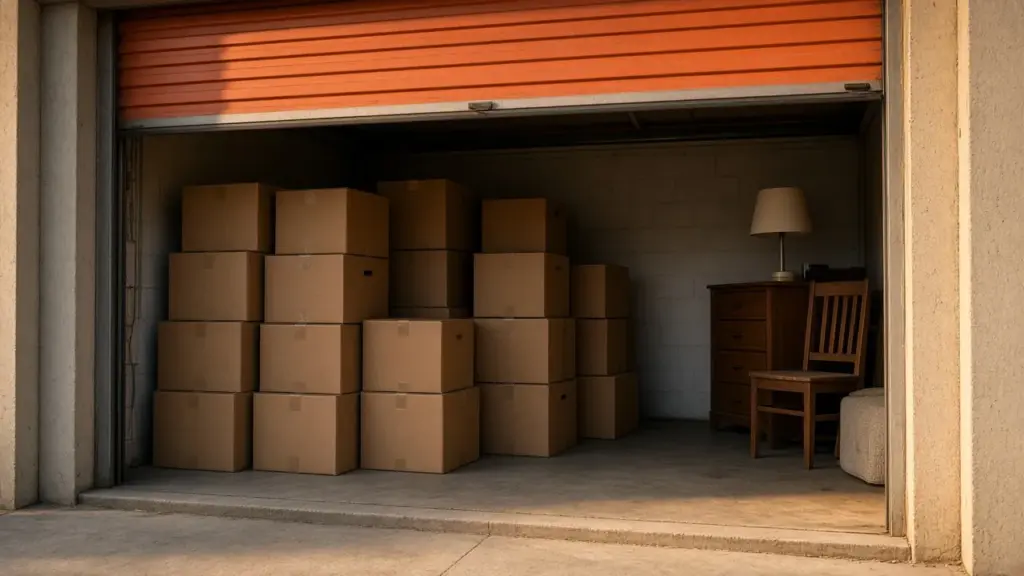
Moving into an RV means living with far less space than a house or apartment. Many residents are not ready to give up everything, or they are between homes and need to keep furniture and keepsakes for later. Off-site storage fills that gap. Used wisely, a storage unit lets you live lightly in your RV without losing the things that matter.
This guide covers how to decide what to store, how to choose a unit, what it costs to plan for, and how to keep storage from becoming an expensive habit. For a broader money framework, see our pillar on full-time RV life on a budget.
Why RV Residents Use Storage
Common reasons include:
- Between homes: keeping furniture while waiting on the next house; see our post on using a monthly site as a bridge
- Seasonal items: holiday decorations, winter clothes, or sports gear
- Work equipment: tools and materials that do not fit in the RV or truck
- Keepsakes: family items you are not ready to part with
- Trial period: testing RV life before deciding what to sell
Park Rules Make Storage More Important
Most parks restrict what you can keep outside your RV. At Magnolia’s Finest, items on or under the site are not allowed, including:
- Appliances and furniture
- Sheds and storage boxes
- Trampolines, boats, and trailers
- Umbrellas, clotheslines, and tents
- Tarps and covers
That means anything that does not fit inside your RV or vehicle needs another home. Off-site storage is often the answer.
Decide What to Keep
Before renting a unit, sort belongings honestly:
- Keep in the RV: daily essentials, seasonal clothing, kitchen basics, work gear, and documents
- Store: items with real future use or strong sentimental value
- Sell or donate: items you have not used in a year and do not plan to use
Storage costs add up month after month. Storing items that you could replace cheaply may cost more than replacing them later.
Choose the Right Unit Size
Measure what you plan to store before choosing a size. A unit that is too large wastes money; one that is too small leads to damage from overpacking. Stack boxes efficiently, use shelving, and leave a small walkway so you can reach items.
Climate Control in Texas
Southeast Texas heat and humidity can damage belongings. Consider climate-controlled storage for:
- Wood furniture
- Electronics
- Photos, documents, and artwork
- Clothing and fabrics
- Musical instruments
Non-climate-controlled units may work for tools, outdoor gear, and sturdy items. Use sealed plastic bins rather than cardboard to protect against moisture and pests.
Location and Access
Choose a facility that is convenient to where you live and work. Near Magnolia, storage facilities are found along routes like FM 1488, FM 1774, and SH 249. Consider:
- Access hours
- Gate security and cameras
- Drive-up access for loading
- Distance from your park
Frequent trips to a distant unit cost fuel and time.
Budget for Storage
Storage is a recurring expense that is easy to forget. Add it to your monthly budget alongside rent, utilities, insurance, and fuel. Our post on hidden costs of RV living lists other expenses that catch residents by surprise.
Watch for:
- Introductory rates that increase later
- Administrative or lock fees
- Insurance requirements
Insurance for Stored Items
Check whether your insurance covers items in storage. Some policies do; others require separate coverage. Facilities may require proof of insurance. Keep an inventory with photos of stored items.
Paying for Storage
Set storage payments on autopay or reminders just like rent. Our posts on banking and digital payments for RV residents and paying rent at an RV park cover payment habits that help you avoid late fees.
Keep an Inventory
A simple inventory saves time and frustration:
- List items by box or bin
- Label bins clearly on multiple sides
- Keep a digital copy on your phone
- Take photos of valuable items
Reevaluate Every Few Months
Storage has a way of becoming permanent. Every few months, ask:
- Have I used anything from storage?
- Would it cost less to sell and replace these items later?
- Can I downsize to a smaller unit?
Many residents find they need far less than they thought after living in an RV for a while.
Alternatives to Storage
Before renting, consider:
- Family or friends who can keep a few items
- Digitizing photos and documents
- Selling items with high value but low use
- Donating items to local charities
Keeping the RV Organized
Good organization inside the RV reduces the need for storage. Use bins, hooks, and multi-use furniture. Store seasonal items in basement compartments and rotate them as seasons change.
Vehicles and Trailers
If you own a boat, utility trailer, or extra vehicle, you will need separate storage. At our park, each site may have up to two registered, running vehicles, and boats and trailers cannot be kept on the site. Vehicle and boat storage lots are an option.
Moving Items In and Out
Plan storage trips around your schedule. A pickup truck or small rental trailer can handle many loads. Protect items with blankets and straps, and load heavy items first. Avoid storing anything flammable, perishable, or hazardous, which facilities typically prohibit. When you visit your unit, take a few minutes to check for signs of moisture, pests, or damage, especially after heavy storms or during the humid summer months in Southeast Texas.
Planning Your Exit From Storage
When you move into a permanent home or decide to downsize further, plan the move out of storage. Give the facility proper notice, schedule help, and clean the unit to avoid fees.
Protecting Stored Items From Pests and Moisture
Humidity and pests are the two biggest threats to stored belongings in Southeast Texas. Place moisture absorbers in the unit and replace them regularly. Keep items off the floor on pallets or shelving so any water that seeps in during heavy rain does not reach them. Never store food, pet food, or bird seed, which attract rodents and insects. Wrap upholstered furniture in breathable covers instead of plastic, which can trap moisture and lead to mildew. Leave a little space between items and the walls to allow airflow. Visiting the unit every month or two lets you catch problems early, before a small leak or pest issue ruins something you cannot replace.
Documents and Valuables
Important documents and high-value items generally belong with you, not in a storage unit. Keep birth certificates, titles, passports, and financial records in a fire-resistant box inside the RV, or in a safe deposit box at your bank. Scan copies to secure cloud storage for backup.
Frequently Asked Questions
Can I keep a storage shed on my site at Magnolia’s Finest?
No. Sheds, storage boxes, and other items on or under the site are not allowed. Many residents use off-site storage instead.
Do I need climate-controlled storage in Texas?
For furniture, electronics, documents, and fabrics, climate control is a good idea because of heat and humidity.
Can I keep a boat or trailer at my site?
No. Boats and trailers are not allowed on sites. Consider off-site vehicle or boat storage.
How can I keep storage costs down?
Store only what you truly need, choose the right size, and reevaluate every few months.
Live Lightly in Magnolia
Magnolia’s Finest RV Park is a small, gated long-term community. Review our sites and rates, learn about long-term RV living in Magnolia, or check availability.
Check Availability or call or text (281) 205-1959
Magnolia’s Finest RV Park · 32020 Old Hempstead Rd, Magnolia, TX 77355 · Contact us