
Living in an RV During a Home Renovation or Insurance Repair
January 7, 2026 · By Magnolia RV Park
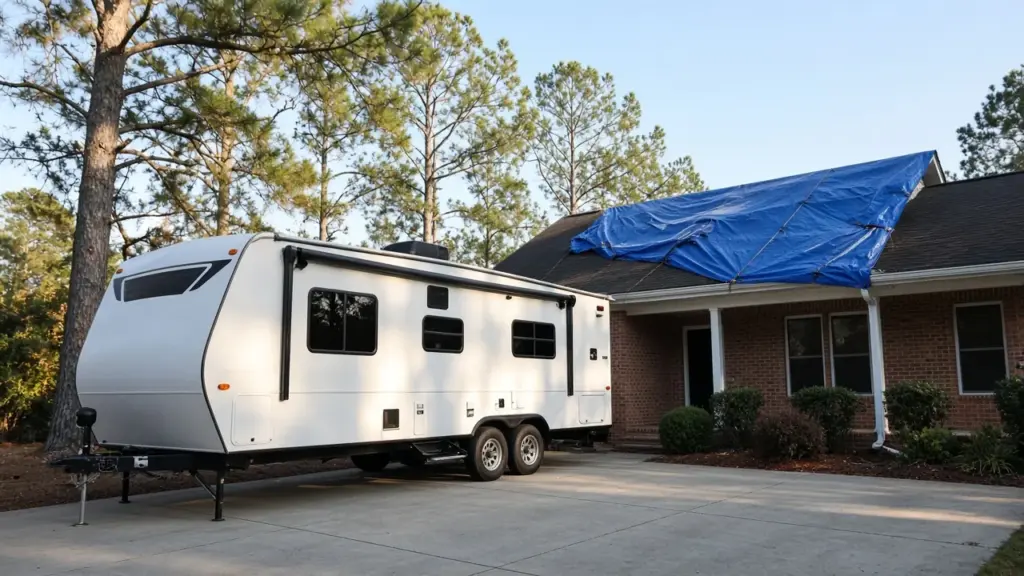
Major home renovations and insurance repairs can make a house unlivable for weeks or months. Kitchens get gutted, floors come up, and water or storm damage can leave rooms unsafe. Many homeowners need a temporary place to live, and an RV at a long-term park can be a comfortable, flexible option.
This guide explains how to live in an RV during a home renovation or insurance repair, from planning timelines to moving back home. For the big picture of extended stays, see our complete guide to monthly RV living.
Why an RV Can Work Well
An RV offers several advantages during a renovation or repair:
- Your own space with your own bed, kitchen, and routines
- Flexibility that can adjust as repair timelines change
- Pets stay with you, within park rules
- A quieter environment than living in a construction zone
- Proximity to your home if you choose a nearby park
For people used to houses, the smaller space takes adjustment, but many find it far more comfortable than moving between hotels or relatives’ homes.
Insurance Repairs: Questions to Ask
If your repair is covered by homeowners insurance, ask your insurer and adjuster:
- Does your policy include additional living expenses or loss-of-use coverage?
- What temporary housing costs are covered, and what are the limits?
- Do they cover RV park site rent, RV rental, or both?
- What documentation do they need, such as receipts and agreements?
- How long will coverage last?
Get answers in writing, and keep every receipt. Coverage terms vary widely, so read your policy carefully and ask your agent for clarification.
Estimating Your Timeline
Renovation and repair timelines often change. Contractors may face delays from materials, permits, inspections, and weather. When planning your RV stay:
- Add buffer time to contractor estimates
- Ask the park about month-to-month flexibility
- Know notice requirements for leaving
At our park, the security deposit may be refunded if there is no damage and you give at least seven days’ notice. Our post on how long “long-term” is at an RV park helps you think about stay lengths.
What to Bring to the RV
You will not need everything from your house. Bring daily essentials, work clothes, important documents, and a few comforts. Our post on downsizing a house into an RV room by room offers a framework that also works for temporary moves. Leave most belongings at home in protected areas or in storage while work is underway.
Remember that many long-term parks, including ours, do not allow items to be stored on or under the site.
Park Requirements
Long-term parks typically require an application and deposit. At our park:
- RVs must be fully self-contained, in good condition, and 15 years or newer
- The background check fee is $49; convicted felons are not permitted
- The security deposit is $125
- The maximum is two people and two pets per site
- Each site allows up to two registered, running vehicles
- Residents carry liability and property insurance at state minimums
If your household is larger than two people, a park with these limits would not be the right fit.
Staying Organized During Repairs
Renovations and insurance claims involve a lot of paperwork and communication. Keep:
- Contracts, estimates, and change orders
- Insurance correspondence and claim numbers
- Receipts for temporary housing and expenses
- Photos of damage and progress
Store documents in a folder in your RV and back them up digitally. Paying bills and rent digitally can help; our post on banking and digital payments for RV residents covers practical tips.
Visiting Your Home Safely
Construction zones can be hazardous. Follow your contractor’s rules for visits, schedule them when possible, and wear sturdy shoes. Take photos at each visit to track progress.
Daily Life in the RV
Make daily life comfortable during a stressful time:
- Keep routines for meals, sleep, and work
- Use on-site laundry; our park has two washers and two dryers in an air-conditioned room
- Keep the RV organized so it feels calm
- Take breaks from renovation decisions
At our park, quiet hours run from 8 p.m. to 8 a.m., and the park is long-term only with a gated entrance, which helps residents rest after long days.
Pets During Renovations
Construction sites can be dangerous for pets, with open doors, tools, and debris. Keeping pets with you in the RV can be safer. At our park, up to two pets are allowed, aggressive breeds are not, and dogs live primarily in the RV and must be leashed outdoors.
Moving Back Home
As repairs finish:
- Confirm completion and final inspections with your contractor.
- Give notice to the park according to your agreement.
- Plan the move back, including any belongings in storage.
- Clean your site and take photos.
- Request your deposit refund; at our park, refunds are requested within seven days of leaving.
Similar Situations
Living in an RV during a renovation is similar to living in one during new construction. Our post on living in an RV while your house is being built discusses related planning, such as managing delays and storage.
Coping With Stress
Home repairs, especially after damage from storms or leaks, can be emotionally draining. Your home may hold memories, and the disruption can feel overwhelming. Give yourself grace. Keep a simple routine, get outside when you can, and lean on friends and family for support. Nearby outdoor areas like W.G. Jones State Forest, Lake Conroe, and Sam Houston National Forest can offer a peaceful break. Remember that the disruption is temporary, and having a stable, quiet place to come home to each night makes the process easier to manage.
Budgeting for the Temporary Stay
Even with insurance coverage, temporary living can bring extra costs: fuel for trips to the house, eating out, storage, and utilities. Build a budget that covers the expected timeline plus a buffer. Track expenses carefully, since some may be reimbursable depending on your coverage.
Choosing a Park Near Your Home
If your home is north of Houston, a park in the same general area keeps you close enough to check on progress, meet contractors, and handle deliveries without long drives. Magnolia’s location near FM 1774, FM 1488, and Texas 249 connects to Tomball, The Woodlands, Conroe, and surrounding communities. Being nearby also lets you keep your normal routines, such as the same grocery store, pharmacy, and commute, which reduces stress during an already disruptive time.
Frequently Asked Questions
Can I live in an RV park while my house is being repaired?
Yes. Many homeowners use long-term RV parks during renovations or insurance repairs.
Will insurance pay for my RV site rent during repairs?
It depends on your policy. Ask about additional living expenses or loss-of-use coverage, and keep receipts.
What if repairs take longer than expected?
Ask the park about month-to-month flexibility and notice requirements, and stay in touch with your contractor.
Can I bring my pets?
At our park, up to two friendly pets are allowed within our rules, and aggressive breeds are not.
A Comfortable Base During Repairs
Magnolia’s Finest is a small, gated long-term park in Magnolia, TX. Learn more about long-term RV living in Magnolia and visit our sites and rates page.
Check Availability or call or text (281) 205-1959
Magnolia’s Finest RV Park · 32020 Old Hempstead Rd, Magnolia, TX 77355 · Contact us