Why Running Cords Between RV Sites Is a Bad Idea
November 24, 2025 · By Magnolia RV Park
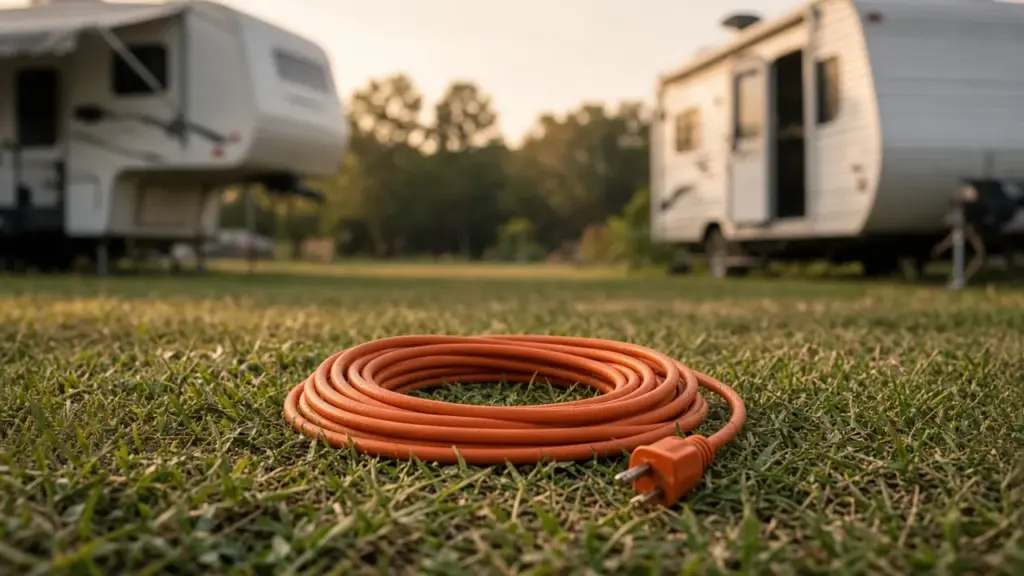
It happens more often than you might think. A neighbor’s pedestal is closer, your breaker keeps tripping, or a friend visiting with a small camper wants a little power. Running an extension cord from one RV site to another can seem like a harmless shortcut. In reality, it is one of the most common electrical safety problems at RV parks, and most parks prohibit it.
This guide explains why running cords between RV sites is a bad idea, what can go wrong, and safer ways to solve the problems that tempt people to do it. It is general information, not electrical advice. For electrical issues, contact park management or a qualified professional. For an overview of site connections, see our pillar on RV hookups for long stays.
What the Rule Usually Says
Many RV parks include a rule like “no cords from other sites” or “no tampering with electrical hookups.” At our park, both are prohibited: residents may not tamper with electrical hookups or run cords from other sites.
These rules protect residents, their RVs, and the park’s electrical system.
Reason One: Overloading Circuits
Each pedestal and its circuits are designed to supply a specific amount of power to one RV. When a second RV or appliance is connected through an extension cord, the combined load can exceed what the circuit was designed for.
Overloading can:
- Trip breakers repeatedly
- Cause wires and connections to overheat
- Damage the pedestal
- Affect power quality for other sites
Our post on managing electrical load in an RV explains how quickly loads add up, even within a single RV.
Reason Two: Fire and Shock Risk
Extension cords are a common source of electrical fires when misused. Risks include:
- Undersized cords that overheat under heavy loads like air conditioners
- Damaged insulation from being driven over, stepped on, or chewed by animals
- Wet connections in rain or dew
- Loose plugs that arc and generate heat
- Improper adapters that bypass safety features
A cord running across a site is also exposed to lawn equipment, vehicles, and weather, increasing the chance of damage.
Reason Three: Trip Hazards and Mowing Hazards
Cords stretched across walkways or grass are trip hazards for residents, visitors, and pets. They can also be damaged by mowers. At our park, the park handles lawn care, so cords across the grass could be a hazard for both residents and the people maintaining the grounds.
Reason Four: Grounding and Wiring Problems
RV electrical systems rely on proper grounding and correct wiring. Makeshift connections between sites can introduce problems like open grounds or reversed polarity, which can create shock hazards on an RV’s exterior. A surge protector or electrical management system at the pedestal can detect some wiring problems, but only for the connection it is monitoring. Our post on using a surge protector at a long-term RV site explains what these devices do.
Reason Five: Fairness and Billing
In parks where electricity is metered or included in rent, powering an additional RV or appliance from another site shifts costs to someone else. Even when well-intentioned, it creates disputes between neighbors and management.
Reason Six: Unauthorized Occupancy
Sometimes cords are used to power an extra camper or tent for a guest. This usually conflicts with park rules on occupancy and site use. At our park, tents are not allowed on the site, the maximum is two people per site, unregistered guests may stay no more than five consecutive days, and the park does not accept overnight RV guests.
Common Situations and Better Solutions
“My breaker keeps tripping.”
Instead of borrowing power, manage your load. Stagger high-power appliances, check for faulty appliances, and contact management if the pedestal breaker trips with light loads. Our post on 30-amp vs. 50-amp RV service explains how your RV’s electrical service affects what you can run.
“My cord doesn’t reach the pedestal.”
Use a properly rated RV extension cord designed for your RV’s amperage, connected to your own site’s pedestal, and route it safely. Better yet, reposition the RV during setup so your cord reaches comfortably.
“My pedestal isn’t working.”
Report it to management right away. Do not attempt repairs or connect to another site. At our park, the Residents page includes a maintenance request form.
“My friend needs power for a visit.”
Visitors must follow park rules. Talk with management before inviting anyone who needs power, and never run a cord from your site to another RV or tent.
“The power went out after a storm.”
Wait for restoration and report problems. Our post on linemen and storm crews describes the restoration work that follows major storms, and why patience and safety matter after outages.
Appliances Parks Often Restrict
Parks often restrict high-draw or risky appliances for similar reasons. At our park, window air conditioning units and space heaters are not permitted. These rules work together with the no-cords rule to keep loads safe and predictable.
Using Your Own Extension Cord Safely
If you need an extension on your own connection:
- Use a heavy-duty RV extension cord rated for your RV’s amperage
- Avoid chaining multiple cords together
- Keep connections off the ground and away from water
- Route the cord where it will not be driven over or mowed
- Inspect it regularly for damage and heat
What Happens If Rules Are Broken
Parks may treat electrical violations seriously because they affect safety and other residents. Consequences can range from a warning to lease action, depending on the park’s rules and the situation. The safest approach is to follow the rules and ask management whenever you are unsure.
Being a Good Electrical Neighbor
In a small park, everyone shares the same electrical infrastructure. Keep your own connection in good shape, report problems promptly, and never draw power from another site. If you notice a cord running between sites or a damaged pedestal, let management know. Small actions help keep the park safe for everyone.
Inspecting Your Own Connection
Many of the problems that tempt people to borrow power start with their own equipment. A quick monthly inspection helps prevent them. Look over your shore power cord from end to end for cuts, flattened spots, or cracked insulation. Check both plugs for discoloration, bent prongs, or melted plastic. Make sure the connection at the pedestal is fully seated and the cord is supported so it does not hang by the plug. Look at your surge protector’s display or indicator lights for error codes. Inside the RV, notice whether lights dim when large appliances start, which can hint at a connection or load problem. If you find damage, replace the cord or adapter rather than taping it. Catching a failing plug early protects your RV and keeps your power reliable without anyone needing to look for shortcuts.
Frequently Asked Questions
Can I run an extension cord to my neighbor’s RV site?
Most parks prohibit it. At our park, running cords from other sites is not allowed.
Why is borrowing power from another pedestal dangerous?
It can overload circuits, overheat cords, create shock hazards, and cause trip hazards.
What should I do if my pedestal stops working?
Report it to management and do not connect to another site. Our Residents page includes a maintenance request form.
Can a visitor plug their camper into my site?
Generally no. Visitors must follow park rules; at our park, overnight RV guests are not accepted.
Ask Us About Your Site’s Electric Service
Electric service at Magnolia’s Finest is confirmed per site, so ask about your RV’s needs before moving in. Explore our amenities and FAQ page for more.
Check Availability or call or text (281) 205-1959
Magnolia’s Finest RV Park · 32020 Old Hempstead Rd, Magnolia, TX 77355 · Contact us