
Energy and Pipeline Workers: Choosing a Monthly Base North of Houston
November 8, 2025 · By Magnolia RV Park
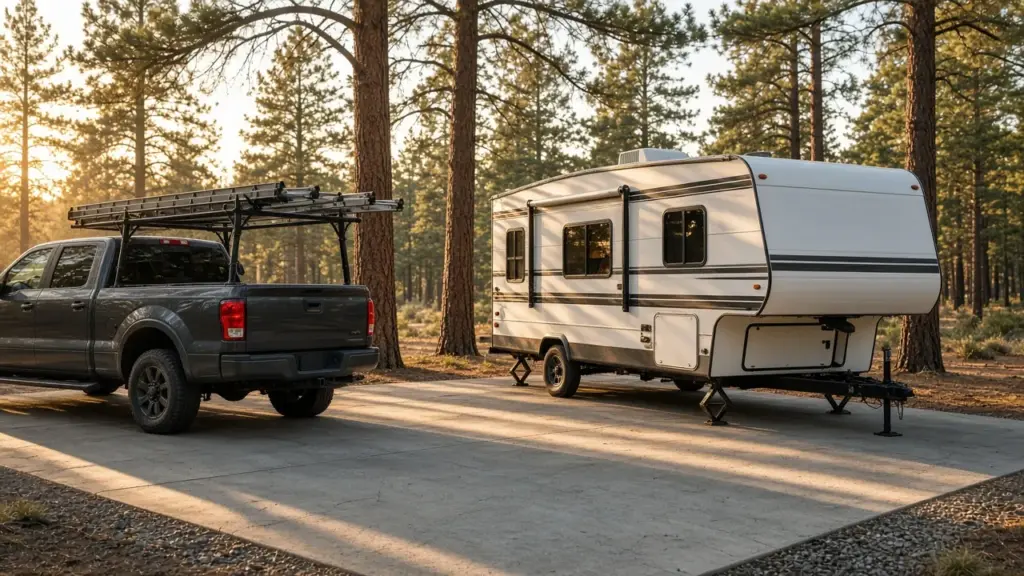
Energy and pipeline work often means long days, shifting locations, and projects that last weeks or months. Many workers in these fields live in RVs so they can bring the comforts of home with them. When a job lands north of Houston, choosing the right monthly base can make a big difference in how rested, organized, and ready you feel.
This guide covers what energy and pipeline workers should consider when choosing a monthly RV park north of Houston. For a broader look at workforce housing, see our pillar on RV living for workers and contractors.
Understanding Your Work Pattern
Energy and pipeline jobs can involve:
- Early starts and long shifts
- Rotations, such as several days on and several off
- Travel between job sites
- Project timelines that change with weather or permits
- Periods of overtime followed by slower weeks
Before choosing a park, think honestly about your pattern. Do you need a quiet place to sleep during the day? Will you be gone for days at a time? Will your project end date move? The answers shape what you need.
Rest Comes First
When your job is physical and demanding, sleep is safety. Look for a park that protects rest:
- Enforced quiet hours
- Long-term residents rather than nightly turnover
- Low traffic through the park
- A gated entrance that limits casual through traffic
At our park, quiet hours run from 8 p.m. to 8 a.m., the park is long-term only, and there are no overnight guests. The entrance is gated. These features help create a calm environment.
If you work nights, talk with management about your schedule. Daytime quiet is harder to guarantee, but a small long-term park is often calmer during the day than a busy resort.
Location and Commute
North of Houston, work sites can be scattered across Montgomery, Harris, Waller, and Grimes counties and beyond. From Magnolia, main routes include:
- FM 1774 north toward Todd Mission and Plantersville, and south toward Pinehurst and Texas 249
- FM 1488 east toward Conroe and The Woodlands, and west toward the Hempstead direction
- Texas 249 toward Tomball and north Houston
A central location can reduce the pain of shifting job sites. Drive your likely routes at your actual work times before committing.
Vehicles and Equipment
Energy and pipeline workers often drive work trucks and may carry tools or equipment. Before applying, ask about:
- Vehicle limits per site
- Parking locations
- Rules on trailers and equipment storage
- Rules on vehicle repairs and washing
At our park, each site allows up to two registered, running vehicles. Trailers and equipment cannot be stored on the site, and extensive mechanic work and vehicle washing are not allowed. Plan to leave equipment at the yard or job site.
Keeping Work Gear and Home Separate
Muddy boots, oily clothes, and dusty gear can overwhelm a small RV. Set up a system:
- A boot tray and gear hooks by the door
- A dedicated bin for dirty work clothes
- Regular laundry trips to keep gear clean
- Floor mats that are easy to shake out
Our park has two washers and two dryers in an air-conditioned laundry room. Shaking off heavy dirt before washing keeps the machines working well for everyone.
Rotations and Time Away
If you work rotations, your RV may sit empty for days. Prepare it before you leave:
- Secure doors, windows, and storage bays
- Set the thermostat appropriately for the season
- Turn off unnecessary electrical loads
- Arrange for pet care if needed; the park is not responsible for pets left in the RV
- Let management know how to reach you
Our post on travel nurses and medical staff living in RVs has more ideas for managing irregular schedules.
Budgeting for a Project
Before committing to a park, estimate your costs for the full project:
- Rent and deposit
- Background check fee
- Utilities you are responsible for
- Fuel for commuting
- Food and supplies
- Insurance
- A repair fund for your RV and truck
At our park, the background check fee is $49 and the security deposit is $125. Pricing is confirmed per site, so call or text for current rates.
Flexibility When Projects Shift
Energy and pipeline projects often change. A job may end early, run long, or move. Ask parks about:
- Month-to-month options
- Notice requirements for leaving
- How deposits are refunded
At our park, the deposit may be refunded if there is no damage and you give at least seven days’ notice.
Settling In Quickly
Workers often arrive with little time before starting a job. A simple settling plan helps. Our guide to your first week at a monthly RV park offers a day-by-day plan that you can compress into a weekend if needed. At our park, RVs should arrive before 6 p.m., and arrival details are shared by text.
Community and Crews
Workers sometimes arrive with coworkers. Remember that parks limit occupants per site. At our park, the maximum is two people per site, and everyone must be on file. Each RV needs its own site and application. Our post on construction crews and RV living covers crew considerations in more detail.
Safety and Weather
Texas weather affects both work and home. Summer heat, thunderstorms, and hurricane season from June 1 to November 30 can all disrupt projects. Keep a storm kit and a plan for your RV if you are called away during a weather event.
Choosing Between Parks
When comparing parks, weigh:
- Quiet and rest
- Location relative to likely job sites
- Rules on vehicles and equipment
- Laundry access
- Flexibility on stay length
- RV standards and application requirements
At our park, RVs must be fully self-contained, in good condition, and 15 years or newer.
Staying Healthy on Long Projects
Demanding projects can wear you down if home life is chaotic. Simple habits make a difference over months:
- Meal prep on days off so you are not relying on fast food every night.
- Hydration in the Texas heat, both on the job and at home.
- Consistent sleep, with blackout curtains and earplugs if needed.
- Downtime away from work, such as a walk in a nearby state forest or a trip to Lake Conroe.
- Regular check-ins with family and friends by phone or video.
A small RV kept clean and organized is easier to rest in than one filled with clutter and work gear. Taking an hour each week to tidy, do laundry, and restock supplies helps you start each workweek ready. Over a long project, these routines protect your health as much as your comfort.
Frequently Asked Questions
What should pipeline workers look for in an RV park?
Quiet, long-term residents, a practical location, clear vehicle rules, on-site laundry, and flexibility for shifting project timelines.
Can I store work equipment at my RV site?
Many long-term parks do not allow equipment on the site. At our park, trailers and similar items cannot be stored on the pad.
What if my project ends early?
Ask about notice requirements before moving in. At our park, giving at least seven days’ notice is one of the conditions for a deposit refund.
Can I leave my RV while I work a rotation?
Yes, many residents do. Secure the RV, arrange pet care, and keep management informed how to reach you.
A Quiet Monthly Base North of Houston
Magnolia’s Finest is a small, gated, long-term park in Magnolia, TX, with covered sites and cement pads. Learn more about long-term RV living in Magnolia and tell us about your project timeline.
Check Availability or call or text (281) 205-1959
Magnolia’s Finest RV Park · 32020 Old Hempstead Rd, Magnolia, TX 77355 · Contact us