
Getting Your RV Site Ready Before Hurricane Season
October 30, 2025 · By Magnolia RV Park
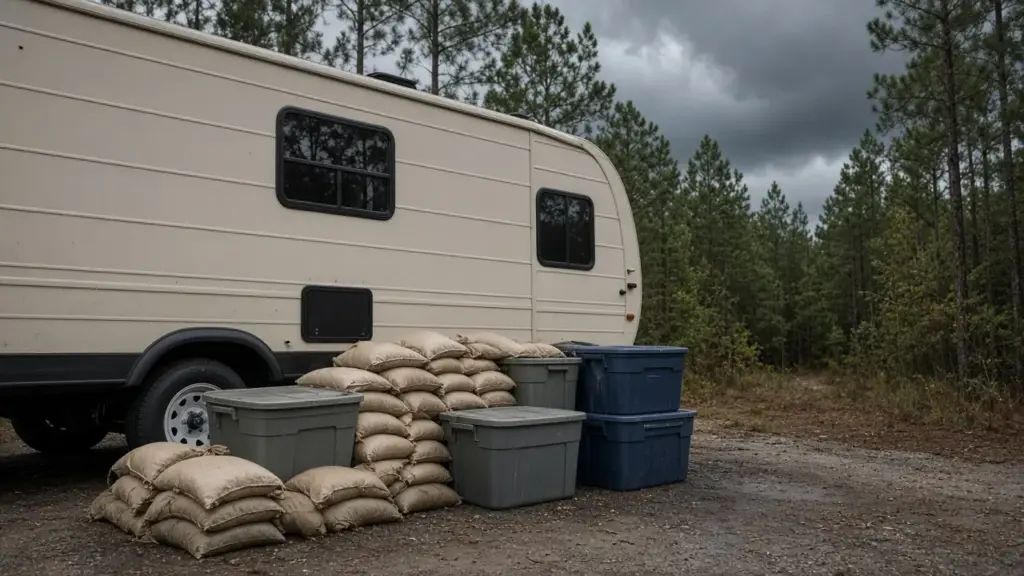
Atlantic hurricane season runs from June 1 through November 30, and anyone living full time in an RV near Houston should treat the weeks before June as preparation time. Montgomery County sits well inland, but tropical storms and hurricanes can still bring heavy rain, strong wind, falling limbs, power outages, and flooded roads far from the coast.
An RV is not a storm shelter. The goal of preparation is not to ride out a major storm inside your rig. It is to protect your documents and belongings, keep your RV in good shape, and make sure you can leave quickly and calmly if officials advise it. This guide walks through a pre-season checklist for long-term residents. For weather across the whole year, see our pillar on Texas weather and your RV.
Why Preparation Starts Before June
Storm preparation is easiest when nothing is happening. Stores are stocked, repair shops have openings, and you can think clearly. Once a named storm is in the Gulf, supplies disappear, fuel lines grow, and everyone is trying to do the same things at once.
Use late spring to:
- Check your RV and tow vehicle
- Review insurance
- Build a supply kit
- Organize documents
- Plan where you would go and how you would get there
Review Your Insurance
Long-term parks commonly require liability and property coverage. Our park asks residents to carry both at state minimum levels. Before the season, read your policy or call your agent and ask:
- Does my policy cover wind, hail, falling trees, and flood damage?
- Is there a waiting period for new coverage or changes?
- What is my deductible for storm damage?
- What documentation will I need if I file a claim?
Many insurers restrict new coverage or changes once a storm is forecast, so ask these questions early.
Photograph and Document Everything
Take clear photos and video of your RV inside and out, including the roof, slides, awnings, tires, and valuable belongings. Store copies in cloud storage or email them to yourself so they survive if your phone is damaged.
Keep important documents together in a waterproof folder or pouch:
- Photo ID and vehicle registration
- RV title and insurance cards
- Lease or site agreement
- Medical information and prescriptions
- Pet vaccination records
- Emergency contact list
Check the RV Before the Season
Hurricane prep overlaps with regular maintenance. Our full-time RV maintenance schedule covers the details, but focus on the items that matter most in wind and rain:
- Roof and seals. Inspect for cracks or gaps and reseal as needed.
- Slides and awnings. Make sure slides retract smoothly and awnings roll up and lock.
- Tires. Check tread, age, and pressure in case you need to move the RV.
- Batteries. Test house and chassis batteries.
- Generator. If you have one, run it under load and change the oil if due.
- Air conditioner. Summer heat can linger after a storm when power is restored. Our post on reducing RV air conditioner strain has tips.
If you plan to drive your RV away from a storm, make sure it is actually roadworthy. An RV that has sat for months may need attention before a long drive.
Build a Supply Kit
Keep a storm kit ready from June through November:
- Drinking water for several days
- Non-perishable food and a manual can opener
- Flashlights, headlamps, and extra batteries
- A battery-powered or hand-crank radio
- Portable phone chargers or power banks
- First aid kit and a supply of medications
- Cash in small bills
- Pet food, water, leashes, and carriers
- Basic tools, duct tape, and work gloves
Store the kit in one place so you can grab it quickly.
Plan for Power Outages
Outages are common during and after tropical storms. Think through how you would handle hours or days without shore power. Our post on 30-amp vs. 50-amp RV service explains how electrical service affects what you can run, which helps you prioritize if you rely on a generator or batteries.
When power returns, surges can occur. A quality surge protector between the pedestal and your RV helps protect electronics. Never tamper with electrical hookups or run cords from other sites.
Know the Park’s Rules Before a Storm
Many long-term parks have rules that affect storm preparation. At our park, tarps and covers are not permitted on RVs, and items cannot be stored on or under the site. That means your prep should focus on securing belongings inside the RV and vehicles rather than covering the rig or stacking gear outside.
Talk with management early in the season about how the park communicates during severe weather. At our park, much communication happens by text, so make sure your phone number is current.
Secure Your Site
Before a storm, reduce anything that could become a projectile or get damaged:
- Retract awnings fully and lock them
- Bring in any mats, chairs, or small items you are allowed to have outside
- Close and latch storage bays
- Retract slides if high winds are expected
- Park vehicles where they will not be under heavy limbs, following park parking rules
Make an Evacuation Plan
The most important part of hurricane preparation is knowing when and where you would go. Follow official guidance from local and county emergency management and the National Weather Service. Sign up for local emergency alerts.
Decide in advance:
- Where you would go: family, friends, a hotel, or a shelter
- Whether you would take the RV or leave it at the park
- How pets will travel and where they can stay
- What you would take with you
If you would leave the RV, plan for that as well. Close propane valves, secure belongings, unplug electronics, and let management know you are leaving.
After the Storm
Do not rush back if roads are flooded or officials advise staying away. When it is safe:
- Inspect the RV for roof, slide, and awning damage
- Photograph any damage before cleaning up
- Contact your insurer promptly
- Report any site or park issues to management through the park’s usual process
Our park’s Residents page includes a maintenance request form for site issues.
Keep Neighbors in the Loop
In a small park, neighbors can help each other during storm season. Share phone numbers with the residents next to you so you can check in if someone is away or needs help. If you evacuate and leave your RV behind, a neighbor can let you know about fallen limbs or visible damage once it is safe, and you can do the same for them. Always report problems to management rather than attempting repairs to park property yourself.
Frequently Asked Questions
Is an RV safe during a hurricane?
An RV is not designed to withstand hurricane-force winds. Follow official evacuation guidance and have a plan to leave if advised.
Can I put a tarp over my RV before a storm?
Check your park’s rules. At our park, tarps and covers are not permitted on RVs.
When should I start preparing for hurricane season?
Ideally in April or May, before the season begins on June 1, when supplies and repair appointments are easier to find.
What documents should I keep ready?
Keep ID, registration, RV title, insurance cards, your site agreement, medical information, and pet records in a waterproof folder.
Plan Ahead With a Stable Home Base
Magnolia’s Finest is a small, gated long-term park in Montgomery County with covered sites, cement pads, and on-site laundry. If you are planning a long-term stay, we are happy to answer questions. Our FAQ page covers common questions about living here.
Check Availability or call or text (281) 205-1959
Magnolia’s Finest RV Park · 32020 Old Hempstead Rd, Magnolia, TX 77355 · Contact us