
Construction Crews and RV Living: What Makes a Park Work
October 29, 2025 · By Magnolia RV Park
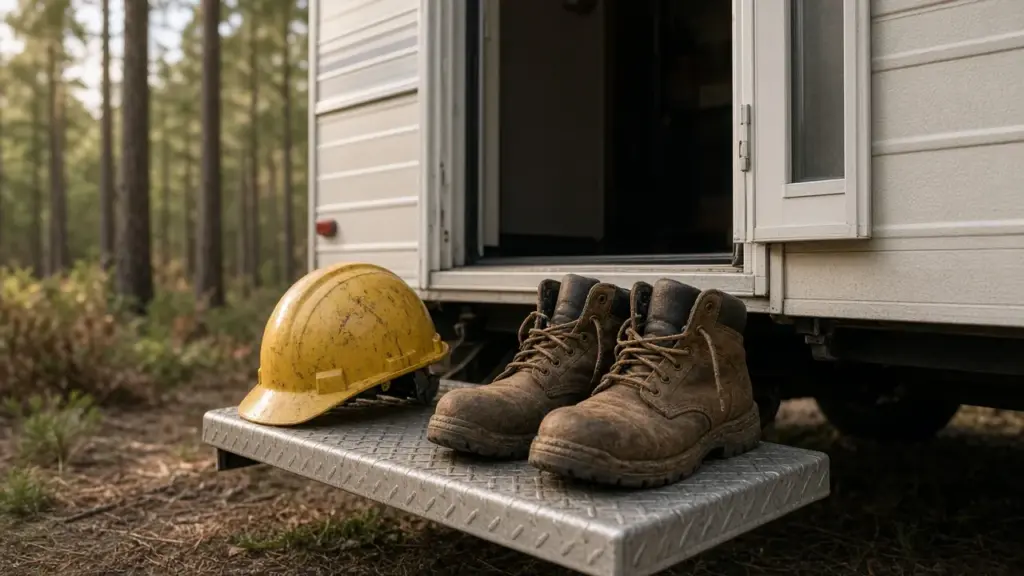
Construction projects around the Houston area can run for months, and many of the people who build them live in RVs while the work lasts. For a construction worker, the right RV park is more than a place to sleep. It is where you recover after long, physical days, wash work clothes, and get ready to do it again before sunrise.
This guide looks at what makes an RV park work for construction crews, from sleep and vehicle rules to laundry and budgeting. It is based on the questions we hear from working residents at our park in Magnolia. For the broader picture, see our pillar on RV living for workers and contractors north of Houston.
The Construction Schedule Shapes Everything
Construction days often start early, sometimes before dawn, and end with tired bodies and dirty clothes. Weekends may be short or nonexistent during crunch periods. That schedule shapes what you need from a park:
- Quiet in the evening so you can get to bed early
- Easy mornings with no obstacles getting your truck out
- Laundry access for heavy, dusty work clothes
- A site that is simple to live on without constant upkeep
- Clear rules so you know what is allowed with trucks and tools
A park that works for vacationers may not work for a crew member who needs to be at the site at 6 a.m.
Quiet Nights Matter Most
Physical work demands real rest. A park with nightly turnover, late arrivals, and weekend parties can wreck your sleep. A long-term park with enforced quiet hours is usually a much better fit.
At our park, quiet hours run from 8 p.m. to 8 a.m., and we do not accept overnight guests. That means fewer late arrivals and less weekend noise. It also means you need to be considerate in the morning. Warming up a diesel truck for a long time before dawn can disturb neighbors, and idling vehicles are specifically listed as noise we ask residents to avoid during quiet hours. Plan your morning routine so you can get moving without extended idling.
Trucks, Trailers, and Tools
Construction workers often have more equipment than the average resident. Before choosing a park, ask detailed questions:
- How many vehicles are allowed per site?
- Where do vehicles park?
- Are work trailers allowed on site?
- Can tools and materials be stored outside the RV?
- Are vehicle repairs allowed at the park?
At our park, each site allows up to two vehicles that are registered and running. Trailers, boats, large tools, and similar items cannot be stored on the site, and extensive mechanic work and vehicle washing are not allowed. Knowing this ahead of time lets you plan, for example by leaving a work trailer at the job site or arranging separate storage.
Keep tools secured in a locked truck box or inside your RV. Clutter on or under the RV is not allowed at many long-term parks, including ours.
Laundry for Dusty Work Clothes
Construction clothes get dirty fast. A park with on-site laundry saves you hours every week compared with hauling bags to a laundromat after work. Our park has two washers and two dryers in an air-conditioned room.
A few courtesy tips for shared laundry:
- Shake out or brush off heavy dirt and debris before washing
- Clean the machines after using them
- Remove your laundry promptly so others can use the machines
- Keep a small laundry routine, such as a set day or two each week
Setting Up a Work-Ready RV
Your RV should support your workweek, not slow it down.
- Boot and gear station. Keep boots, gloves, safety glasses, and hard hats near the door so dirt stays out of the living area.
- Durable floor mats. They catch dirt and are easy to shake out.
- Meal prep space. Pack lunches the night before to save time in the morning.
- Blackout curtains. Helpful if you need to sleep before sunset during summer.
- Charging station. For phones, radios, and tool batteries.
Our guide to travel nurses and medical staff living in RVs has more ideas for sleeping well around demanding schedules; many apply to construction too.
Commuting to Job Sites
Construction sites can be anywhere across the Houston region. From Magnolia, main routes include FM 1774, FM 1488, and Texas 249, toward Tomball, The Woodlands, Conroe, and north Houston. Early starts often mean you drive before the heaviest traffic, but the drive home can be slower.
Drive your route once at your real start and end times before committing to a park. Our post on trips from Magnolia to Tomball gives a sense of the 249 corridor that many workers use.
Budgeting a Construction Assignment
Before committing, build a simple budget for the full project:
- Site rent, deposit, and any screening fee
- Utilities you are responsible for
- Fuel for commuting
- Food and supplies
- RV insurance, which long-term parks commonly require
- A repair cushion for the RV and truck
If your employer provides per diem or housing support, understand exactly what it covers. For tax questions, consult a qualified professional.
Crews and Shared Sites
Sometimes coworkers want to share an RV or split costs. Remember that most long-term parks limit the number of occupants per site. At our park, each site allows a maximum of two people, and everyone living on the site must be on file and screened. Subletting is not allowed. If several crew members need housing, each RV needs its own site and application.
Applying and Moving In
Long-term parks typically require an application, background check, and deposit. At our park, RVs must be fully self-contained, in good condition, and 15 years or newer. The listed background check fee is $49 and the security deposit is $125.
Arrive in daylight. We ask RVs to arrive before 6 p.m. so setup happens before dark, and we share gate and arrival notes by text. If you are coming from out of the area, our post on moving to Magnolia, TX with an RV walks through the order of operations.
When the Project Ends
Construction schedules shift. If the project ends early or runs long, talk with management as soon as you know. At our park, the security deposit may be refunded at departure if there is no damage and you give at least seven days’ notice.
Frequently Asked Questions
Can I park a work truck at a long-term RV park?
Usually, yes, within the park’s vehicle limits. At our park, each site allows up to two registered, running vehicles.
Can I store a work trailer at my RV site?
Many long-term parks do not allow trailers on the site. At ours, trailers cannot be stored on the pad, so plan alternative storage.
Can coworkers share one RV site?
Only within the park’s occupant limits. At our park, the maximum is two people per site, and everyone must be on file.
Is a long-term RV park quiet enough for early starts?
Parks that focus on long-term residents and enforce quiet hours are usually the best fit for early risers.
A Quiet Base for Your Next Project
Magnolia’s Finest is a small, gated, long-term park with covered sites, cement pads, and on-site laundry. If you are working a project north of Houston, tell us your dates, your RV, and your vehicles. Learn more about long-term RV living in Magnolia.
Check Availability or call or text (281) 205-1959
Magnolia’s Finest RV Park · 32020 Old Hempstead Rd, Magnolia, TX 77355 · Contact us