
Reducing RV Air Conditioner Strain in Texas Heat
October 16, 2025 · By Magnolia RV Park
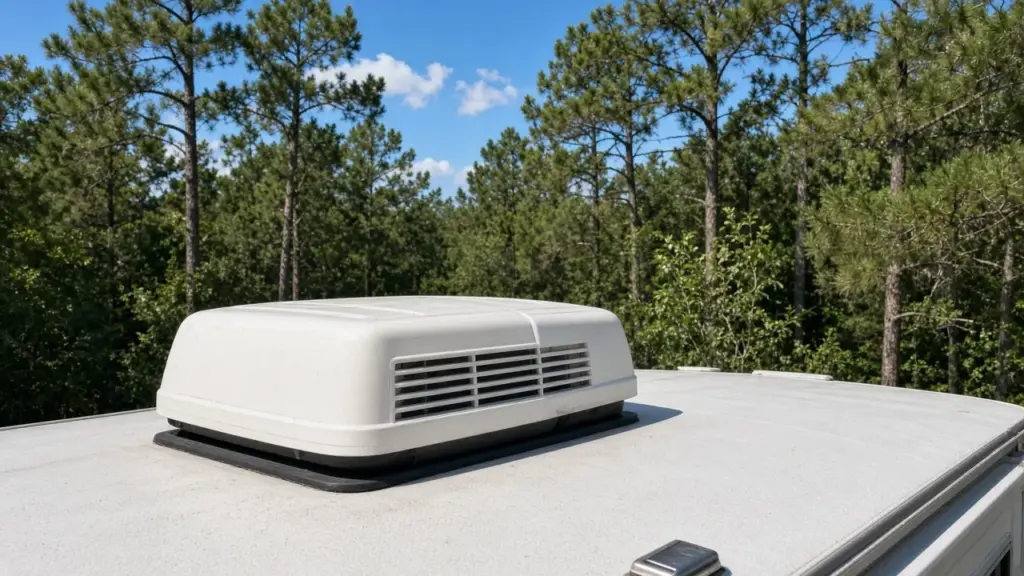
In a Southeast Texas summer, an RV air conditioner can run almost around the clock. That is hard on the unit, hard on your electrical system, and hard on your comfort when the AC cannot keep up in the late afternoon. Fortunately, most of the battle happens before the air conditioner ever turns on. Every bit of heat you keep out of the RV is heat your AC does not have to remove.
This guide focuses on practical ways to reduce the load on your RV air conditioner during long stays. It complements our post on how to prepare your RV for Texas summer, which covers general summer readiness.
Why RV Air Conditioners Struggle in Texas
RV rooftop air conditioners are designed to cool a small space, but RVs have thin walls, lots of windows, and roofs that sit in direct sun all day. In Montgomery County, summer brings long stretches of heat combined with high humidity. The AC has to remove both heat and moisture, and humid air takes more work.
When an AC runs constantly, a few things happen:
- The interior never quite reaches the set temperature in the hottest part of the day
- Filters and coils clog faster
- Electrical demand stays high, which can trip breakers on 30-amp service
- Components wear faster
Reducing strain protects the unit and makes your home more comfortable.
Start With Shade
Direct sun on the roof is the biggest source of heat gain in most RVs. Shade is the most effective tool you have.
A covered site keeps the sun off your roof for most of the day, which can make a noticeable difference in how hard your AC works. That is one reason eight of our ten sites have overhead cover. For a deeper look, see our post on covered vs. uncovered RV sites in Texas.
If your site is not covered, think about orientation. When you have a choice, keep the side with the most windows away from the afternoon sun. Your RV awning can shade one side, but retract it during storms and when you are away.
Manage Your Windows
Windows let in a lot of heat. A few changes can help a great deal:
- Close blinds and shades on sun-facing windows during the day
- Use insulated or reflective window covers designed for RVs; many parks prohibit foil on windows, so choose purpose-made products
- Cover the windshield on motorhomes with an exterior or interior sunshade
- Check window seals so hot air is not leaking in around the edges
Skylights and roof vents are heat sources too. Vent insulation pillows or covers can reduce heat gain through them during the hottest months.
Keep Filters and Coils Clean
A clogged filter restricts airflow, which reduces cooling and makes the unit work harder. In summer, check and clean your AC filters at least monthly. During pine pollen season in spring, they may need attention more often.
The evaporator and condenser coils also matter. Dust and debris on the coils reduce efficiency. Follow your manufacturer’s instructions for cleaning, or have a technician service the unit before summer. Our full-time RV maintenance schedule includes AC care in its monthly and seasonal checklists.
Help the Air Move
Good airflow helps your AC distribute cool air more evenly.
- Keep ceiling vents open and unobstructed
- Use small fans to push cool air toward the bedroom or the back of the RV
- Leave interior doors open when possible so air can circulate
- Avoid blocking return air grilles with furniture or storage
Reduce Heat Generated Inside
Your RV makes its own heat. Cooking, showering, and electronics all add to the load.
- Cook outside or with small appliances during the hottest months; an electric griddle or slow cooker adds less heat than the oven
- Run vent fans when cooking and showering to push hot, humid air outside
- Switch to LED lighting if your RV still has older bulbs
- Turn off electronics you are not using
Humidity matters as much as heat. Removing moisture helps the AC feel more effective. Some residents run a small dehumidifier in addition to the AC during very humid periods.
Cool Down Before the Afternoon Peak
Air conditioners cope better when they get ahead of the heat. On very hot days, let the AC bring the RV down to a comfortable temperature in the morning, then hold it steady. Trying to cool a hot RV from scratch at 4 p.m. is much harder.
If you are away during the day, do not turn the AC off completely in extreme heat, especially if pets are inside. Set a reasonable temperature and keep blinds closed.
Watch Your Electrical Load
AC units draw a lot of power. On 30-amp service, running the AC along with a microwave, electric water heater, or hair dryer can trip a breaker. When that happens during a hot afternoon, the RV heats up fast.
Simple habits help:
- Run high-draw appliances one at a time
- Switch the water heater to propane, if your RV allows it, when you need more electric capacity
- Use a surge protector or energy management system to protect against voltage problems
Always follow park rules. At our park, residents may not pull more electrical load than their RV is designed for or run cords from another site, and window AC units are not allowed.
Know When It Is Time for Service
Even with good habits, an AC unit can fail. Warning signs include weak airflow, warm air from the vents, unusual noises, ice on the coils, or the unit running constantly without cooling. Have a qualified RV technician look at it before a small problem becomes a failure in the middle of July.
Protect People and Pets
Heat is a safety issue. Keep water handy, watch for signs of heat illness, and have a backup plan if the AC fails, such as a cool public place to go. For pets, a temperature monitor that alerts your phone is a smart investment. Our year-round Texas weather guide covers heat safety and the rest of the seasons.
A Quick Summer Routine
- Keep blinds closed on the sunny side during the day
- Check filters every few weeks
- Run vent fans when cooking and showering
- Stagger high-draw appliances
- Cool the RV in the morning and hold the temperature
- Look over the unit and roof seals once a month
Frequently Asked Questions
Why does my RV AC struggle in the afternoon?
Afternoon sun heats the roof and walls, and humidity adds to the load. Shade, window coverings, and clean filters help the AC keep up.
How often should I clean my RV AC filter in summer?
At least monthly during heavy use, and more often during high pollen or dusty periods.
Does a covered RV site help with air conditioning?
Yes. Keeping direct sun off the roof reduces heat gain, which reduces how hard your AC works.
Can I add a window AC unit to my RV at a park?
Many parks do not allow window units. Our park prohibits them, so rely on your RV’s built-in systems and reduce heat gain instead.
Stay Cool on a Covered Site
Eight of the ten sites at Magnolia’s Finest are covered, and every site sits on a cement pad. If a shaded long-term site sounds good for the Texas summer, see our amenities and tell us your dates and your RV.
Check Availability or call or text (281) 205-1959
Magnolia’s Finest RV Park · 32020 Old Hempstead Rd, Magnolia, TX 77355 · Contact us