
Soft Spots and Water Damage: Warning Signs in Your RV
July 5, 2026 · By Magnolia RV Park
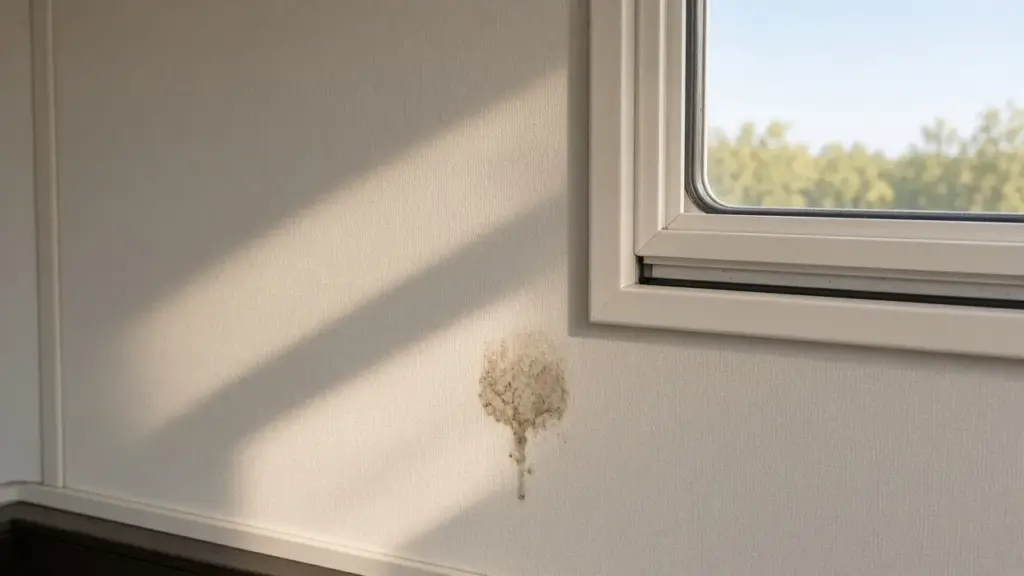
Water is one of the biggest threats to any RV. A small leak can go unnoticed for weeks or months, slowly soaking wood, insulation, and flooring until the damage becomes serious and expensive. For full-time residents, catching water damage early is one of the most important parts of routine maintenance.
This guide explains the warning signs of water damage, where leaks usually start, and what to do when you find a problem. For a complete maintenance routine, see our pillar, A Full-Time RV Maintenance Schedule.
Why Water Damage Is So Serious in RVs
Many RVs are built with wood framing, plywood or composite subfloors, and layers of insulation behind thin wall panels. When water gets into these materials, it can cause:
- Rot in framing and subfloors
- Delamination of exterior walls
- Mold and mildew growth
- Weakened roof structures
- Damage to electrical components
Because much of this happens behind panels and under flooring, damage can spread quietly. By the time you see it, repairs may be extensive. That is why regular inspections matter.
Warning Signs to Watch For
Soft Spots in Floors
Walk your floors regularly and pay attention to how they feel. A floor that feels spongy, soft, or gives slightly underfoot may have water damage in the subfloor. Common areas include around the toilet, in front of the shower, near the kitchen sink, and by entry doors.
Soft Spots in Walls and Ceilings
Press gently on walls and ceilings, especially near windows, vents, and corners. Soft or flexible areas can signal wet or rotting material behind the panel.
Stains and Discoloration
Brown, yellow, or dark stains on ceilings, walls, or around windows are classic signs of leaks. Watch for rings or streaks that grow over time.
Bubbling or Delamination
On the outside of the RV, look for bubbles, waves, or ripples in the siding. Delamination happens when water separates the outer skin from the wall structure. Once it starts, it can be difficult to repair.
Musty Smells
A persistent musty or damp odor often means moisture is trapped somewhere. Do not ignore it, even if you cannot see any damage.
Peeling Wallpaper or Loose Trim
Wall coverings that peel, bubble, or pull away may be affected by moisture behind them. Loose trim around windows and doors can also indicate water intrusion.
Rust and Corrosion
Rust on screws, brackets, or metal parts inside cabinets can point to a leak nearby.
Mold or Mildew
Visible mold, especially in corners, cabinets, or behind furniture, means there is excess moisture. It may come from a leak or from poor ventilation.
Common Sources of Leaks
Roof Seams and Sealant
The roof is one of the most common sources of leaks. Sealant around vents, skylights, antennas, and seams breaks down over time, especially under the Texas sun. Our post on RV roof inspection for full-timers walks through what to check.
Windows and Doors
Seals around windows and doors wear out and allow water to seep in during heavy rain.
Slide-Outs
Slide-out seals can fail, and water can pool on top of slides if they are not sloped properly.
Plumbing
Leaking fittings, cracked lines, and failing valves can drip slowly inside cabinets and under floors. Our post on finding RV plumbing leaks early explains how to detect them.
Exterior Compartments
Compartment doors and seals can let water in, which may reach the floor structure.
How to Inspect Regularly
Set a routine for water damage inspections. Monthly checks are a good habit for full-time residents, with extra checks after heavy rain or storms.
Checklist:
- Walk all floors and note any soft areas
- Press on walls and ceilings near windows and vents
- Look inside cabinets for stains, dampness, or rust
- Check around the toilet, shower, and sinks
- Inspect the roof and seals
- Look at exterior walls for bubbles or waves
- Smell for musty odors
Take photos of any concerns so you can track changes over time.
What to Do If You Find Water Damage
- Find the source. Stop the leak first, whether it is a roof seam, window seal, or plumbing fitting.
- Dry the area. Use fans and a dehumidifier to dry out affected areas.
- Assess the extent. Small, surface-level damage may be manageable. Soft floors or walls often mean deeper problems.
- Call a professional. For structural damage, delamination, or extensive rot, contact a qualified RV repair technician.
- Document everything. Photos and notes can help with insurance claims.
Remember that extensive mechanic work is not allowed at our park. Minor maintenance, like resealing a vent, is part of normal upkeep, but major structural repairs should be handled by a professional repair shop.
Preventing Water Damage
- Inspect and reseal the roof and seams regularly
- Keep gutters and drip rails clear
- Check window and door seals
- Monitor plumbing fittings
- Use proper ventilation to control humidity
- Conserve water and fix small leaks right away; see our post on conserving water in an RV
Humidity in Southeast Texas
The humid climate here adds another layer of risk. Run exhaust fans, use a dehumidifier, and keep air circulating to prevent moisture buildup inside your RV.
Keeping Your RV in Good Condition
At our park, RVs must be in good condition and 15 years old or newer. Staying on top of water damage helps you meet that standard and protects your investment.
Why Covered Sites Help
Most of our sites are covered, which helps reduce direct sun and rain exposure on your roof. Covered sites can slow the breakdown of sealants and reduce how much water hits your roof during storms. Coverage does not replace inspections, though. Wind-driven rain can still reach windows, doors, and walls, and plumbing leaks happen regardless of weather. Keep up with your routine checks no matter where your RV is parked.
Keeping Records
Keep a simple maintenance log with dates of inspections, resealing, and repairs. Include photos of your roof, seams, and any areas you are watching. A log helps you notice slow changes, reminds you when resealing is due, and can support insurance claims if damage ever occurs. It is also useful if you ever sell your RV, since buyers value a documented maintenance history.
Acting Quickly Saves Money
The longer water sits in wood and insulation, the more damage it causes. A leak repaired in its first week may cost little more than a tube of sealant. The same leak left for a season can mean replacing subfloor, framing, and wall panels. When you notice any warning sign, take action right away rather than waiting to see if it gets worse.
Frequently Asked Questions
What does a soft spot in an RV floor mean?
It usually means water has damaged the subfloor. Find the source and have it inspected.
How often should I check for water damage?
Monthly, plus after heavy rain or storms.
Can I repair water damage myself?
Minor issues may be manageable, but extensive rot or delamination should be handled by a professional. Extensive mechanic work is not allowed at our park.
What causes most RV leaks?
Roof seams, window and door seals, slide-outs, and plumbing fittings are common sources.
Keep Your Home Protected in Magnolia
Magnolia’s Finest RV Park offers covered sites on cement pads and a Residents page with a maintenance request form. Explore our amenities, review our park rules, or check availability.
Check Availability or call or text (281) 205-1959
Magnolia’s Finest RV Park · 32020 Old Hempstead Rd, Magnolia, TX 77355 · Contact us