
RV Park Guests vs. Tenants in Texas: Understanding the Difference
May 13, 2026 · By Magnolia RV Park
When you stay at an RV park, you might be called a guest, a resident, a camper, or a tenant. These words can sound interchangeable, but in some situations they can mean different things, especially regarding agreements, notice, and what happens if a stay ends earlier than planned. For long-term residents in Texas, understanding the general difference helps you ask better questions and read your agreement with clear eyes.
This guide offers a plain-language overview. It is not legal advice, and laws change. If you have a specific legal question, talk with a Texas attorney or a qualified legal aid organization. For a practical look at how long-term parks screen and welcome residents, see our pillar on applying to a long-term RV park.
Two Different Meanings of “Guest”
The word “guest” is used in two ways around RV parks, and it helps to separate them.
Guest as a Short-Term Visitor to the Park
At many RV parks, especially campgrounds and resorts, people staying for a night or a week are commonly referred to as guests. Their stay is short, often booked like a hotel or campsite, and they may not sign a longer agreement.
Guest as Someone Visiting a Resident
In a long-term park, “guest” also refers to friends or family visiting a registered resident. At Magnolia’s Finest, unregistered guests may stay no more than 5 consecutive days. Anyone who will live on the site needs to be registered, and each site allows up to 2 people. Subletting is not allowed.
What Makes a Stay More Like a Tenancy
In general terms, the longer and more home-like a stay becomes, the more it may resemble a tenancy rather than a short visit. Factors that people often consider include:
- Length of stay. Months or years versus nights or weeks.
- Payment structure. Monthly rent versus nightly or weekly fees.
- Written agreement. A residency or rental agreement versus a campsite reservation.
- Use as a primary residence. Whether the RV is someone’s home and address.
How Texas law treats a particular situation can depend on the facts and the language of the agreement. That is why reading your agreement carefully, and asking questions before you sign, matters so much.
Why the Difference Matters
Understanding whether you are treated more like a short-term guest or a tenant can affect things like:
- Notice requirements if the stay ends
- Payment terms and late fees
- Deposit handling and refunds
- Rules and responsibilities for both the resident and the park
- Procedures if a disagreement cannot be resolved
For residents, clarity provides peace of mind. For parks, clear policies help apply rules consistently and fairly.
How Our Park Approaches Long-Term Residency
Magnolia’s Finest is long-term only, with no overnight guests. We keep our policies clear and in writing so residents know what to expect. Key points include:
- Application and screening. Applicants complete a $49 background check through our screening partner. Convicted felons are not accepted. Our post on how RV park background checks work explains the process.
- Deposit. A $125 refundable deposit secures a site after approval. It is refundable with no damage and at least 7 days’ notice. Refunds are made by Zelle or card reversal within 5 to 7 business days and must be requested within 7 days of leaving. Nothing is reserved until approval and deposit.
- Rent and late fees. Rent can be paid by Zelle (preferred), cash, check, money order, or card, and card fees may apply. A $10 per day late fee applies starting on day 2, followed by a 3-day notice to vacate.
- Insurance. Residents carry liability and property coverage at state minimums.
- Rules. Written park rules cover quiet hours, pets, vehicles, guests, and what can be kept on sites.
Clear written terms like these help both residents and the park understand their responsibilities from the start.
What to Read Before You Sign
Whether you are moving to our park or another one, read these items carefully before committing:
- The residency or rental agreement. Understand the term, rent, payment dates, and how either side can end the arrangement.
- Park rules. Know what is and is not allowed, including pets, vehicles, guests, and site use.
- Deposit terms. Understand how and when deposits are refunded.
- Late fee and notice policies. Know what happens if rent is late.
- Maintenance responsibilities. Understand what the park handles and what residents handle. Our post on reporting maintenance issues explains how requests work at our park.
If something is unclear, ask for clarification in writing. A well-run park will be happy to explain its policies. Our post on why management style matters explains what to look for.
Being a Responsible Resident
Regardless of legal labels, long-term residents do best when they treat the park as a shared community. Pay rent on time, follow rules, communicate respectfully, and address problems early. Our post on handling conflicts with RV park neighbors covers how to handle disagreements calmly.
If you plan to leave, give proper notice. At our park, at least 7 days’ notice is required for a deposit refund, and refunds must be requested within 7 days of leaving.
Common Misunderstandings
A few misunderstandings come up often among RV residents. One is assuming that paying monthly automatically creates the same arrangement as an apartment lease. Another is assuming that because a stay started as short-term, it always stays that way. In reality, the arrangement depends on the agreement and the facts, which is why written terms are so important.
Some residents also assume that park rules are optional suggestions. In a long-term park, rules are part of the arrangement you agree to when you move in. Following them protects your residency and your neighbors’ quality of life.
Finally, some people believe that a deposit is the same as the last month’s rent. At our park, the deposit is a separate refundable amount tied to the condition of the site and proper notice, not a substitute for rent.
Keeping Good Records
Whatever your situation, keep good records. Save copies of your agreement, park rules, payment receipts, and any written communication with management. Take photos of your site at move-in and move-out. Clear records help resolve questions quickly and protect both residents and the park if a disagreement arises.
When to Get Legal Help
If you face a serious dispute, receive a notice you do not understand, or have questions about your rights, seek advice from a Texas attorney or a legal aid organization. General articles like this one cannot account for your specific situation or recent changes in law.
Frequently Asked Questions
Is an RV park resident a tenant in Texas?
It can depend on the facts and the agreement, including length of stay, payment terms, and use as a primary residence. Consult a Texas attorney for specific questions.
How long can visitors stay at Magnolia’s Finest?
Unregistered guests may stay no more than 5 consecutive days. Anyone living on the site must be registered.
Does Magnolia’s Finest accept overnight guests?
No. Our park is long-term only, with no overnight guests.
What happens if rent is late?
A $10 per day late fee applies starting on day 2, followed by a 3-day notice to vacate.
Is this legal advice?
No. This is a general overview. Talk with a Texas attorney for advice about your situation.
Understand Before You Apply
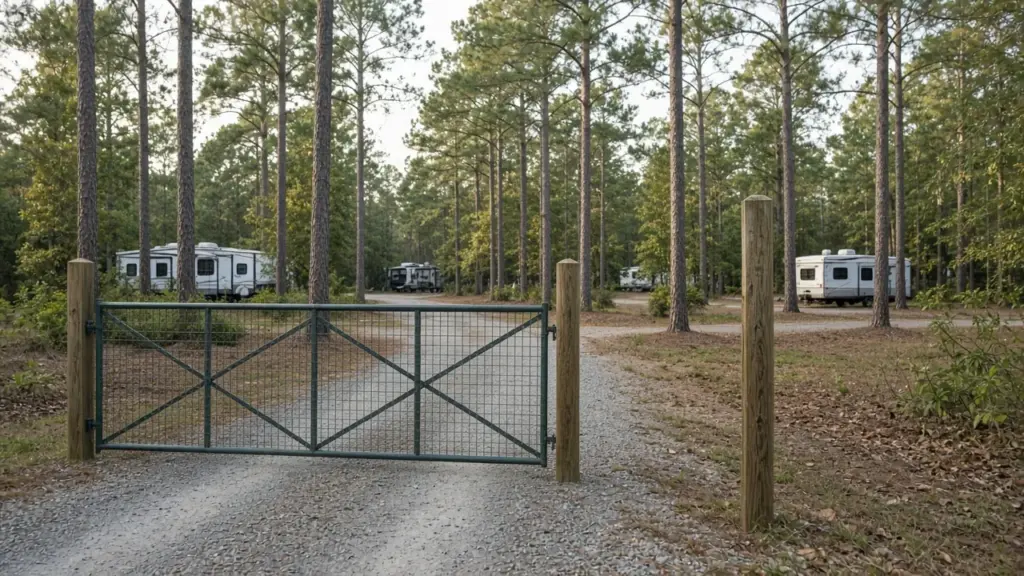
Magnolia’s Finest RV Park is a small, gated long-term community with clear written policies. Review our park rules, start an application, or check availability.
Check Availability or call or text (281) 205-1959
Magnolia’s Finest RV Park · 32020 Old Hempstead Rd, Magnolia, TX 77355 · Contact us